


In today’s rapidly evolving world of real estate, the demand for energy-efficient homes has skyrocketed. As the effects of climate change become more apparent, homeowners and real estate developers alike are focusing on smarter and greener housing solutions. In this energy-efficient homes comparison, we’ll delve into the different types of energy-efficient homes to help you determine which option is best suited for your needs. From traditional houses with upgraded features to state-of-the-art smart homes, there’s a wide range of choices tailored to save energy and reduce carbon footprints.
Understanding how energy-efficient homes benefit both the environment and your wallet is crucial. This article will explore the construction, features, and benefits of various energy-efficient homes. Let’s get started!
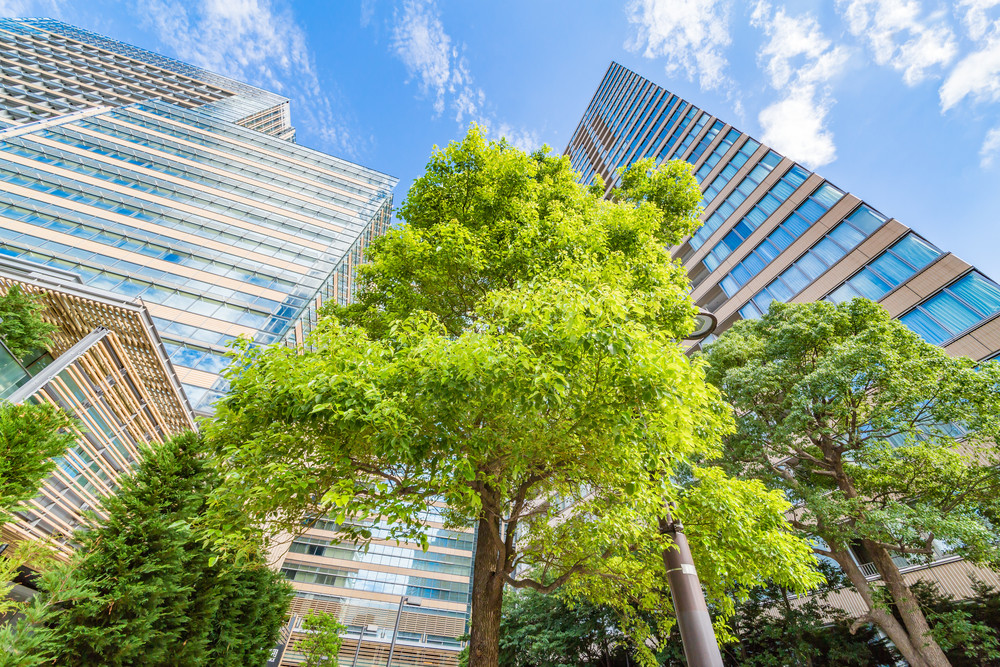
What Defines an Energy-Efficient Home?
When we talk about energy-efficient homes, we’re discussing residences that incorporate designs, technologies, and materials that minimize energy consumption. The goal is to reduce the home’s environmental impact while also lowering utility bills for residents. This is achieved through a combination of insulation, air sealing, energy-efficient appliances, and advanced HVAC systems.
The Benefits of Choosing Energy-Efficient Homes
The perks of living in an energy-efficient home extend beyond the immediate financial savings. Below are some of the notable advantages:
- Cost Savings: Reduced energy usage translates to lower utility bills.
- Environmental Impact: Less energy consumption means a smaller carbon footprint.
- Improved Comfort: Enhanced insulation and modern heating and cooling systems provide a more comfortable living environment.
- Higher Resale Value: Energy-efficient homes are in demand, potentially increasing property value.
Comparing Types of Energy-Efficient Homes
1. Traditional Homes with Energy Upgrades
Many homeowners opt to retrofit existing homes with energy-efficient upgrades. This includes adding modern insulation, energy-efficient windows, and upgrading to ENERGY STAR appliances. While it might be less costly than building a new energy-efficient home, the impact can still be significant.
2. LEED-Certified Homes
Homes certified by LEED (Leadership in Energy and Environmental Design) represent a global standard for green building. These homes are inspected for sustainability across categories like water efficiency, energy use, and CO2 emissions. To learn more about LEED certification strategies, follow the link.
3. Passive Houses
Passive houses use a rigorous standard for energy efficiency, intended to dramatically reduce their ecological footprint. They employ superinsulation, solar gain, and advanced ventilation systems. This type of home is one of the highest promoting energy-efficient models on the market.
4. Net-Zero Energy Homes
Net-zero homes produce as much energy as they consume by incorporating extensive solar panels and energy-efficient design practices. These homes are on the cutting edge of both technology and environmental stewardship. Imagine a home that practically pays for itself in energy savings!
The Technology Behind Energy-Efficient Homes
Smart Home Integration
Technology plays a crucial role in maximizing energy efficiency. Smart thermostats, energy-use sensors, and adaptable lighting systems allow homeowners to control and monitor energy consumption in real time. These advancements make it easier than ever to make a home both smart and green.
Innovative Materials
Modern construction materials like insulated concrete forms, reflective roofing, and triple-glazed windows work together to ensure homes remain energy-efficient. These materials help maintain interior temperatures, reduce the load on HVAC systems, and enhance the building’s overall efficiency.
Renewable Energy Sources
Many energy-efficient homes incorporate renewable energy sources such as solar panels, wind turbines, or geothermal heating. Harnessing renewable energy not only reduces reliance on fossil fuels but also comes with long-term financial benefits.
Challenges in Adopting Energy-Efficient Homes
Initial Investment Costs
The upfront costs of constructing or upgrading to an energy-efficient home can be daunting. However, these costs are usually offset by reduced utility bills and increased property value over time.
Complexity in Retrofitting
Retrofitting traditional homes to meet energy-efficient standards can be complicated and may require professional guidance. Sites like Sustainable Building Best Practices provide valuable insights for tackling these challenges.
Choosing the Right Energy-Efficient Option
Choosing the right type of energy-efficient home depends on your geographical location, budget, and personal environmental goals. Whether you are looking to build new or retrofit, there are options tailored to various needs and constraints.
Assessing Your Needs
Consider what aspects of energy efficiency are most important to you. Is it reducing your carbon footprint? Lowering monthly expenses? Perhaps a combination of both? Consider these factors in your decision-making process.
Consulting Professionals
It is wise to consult with architects, builders, or consultants specializing in green construction. For more on green construction, check out What is Green Construction?
Frequently Asked Questions
Q: What is the most cost-effective energy-efficient upgrade?
A: Insulating your home well is often the best first step. It offers substantial energy savings at a relatively low cost.
Q: Are energy-efficient homes more expensive to maintain?
A: Actually, they often require less maintenance due to their use of durable, sustainable materials.
Q: How long does it take for energy-efficient improvements to pay off?
A: The timeline varies based on the improvement and utility costs, but many homeowners see paybacks in 5-10 years.
This article contains affiliate links. We may earn a commission at no extra cost to you.

