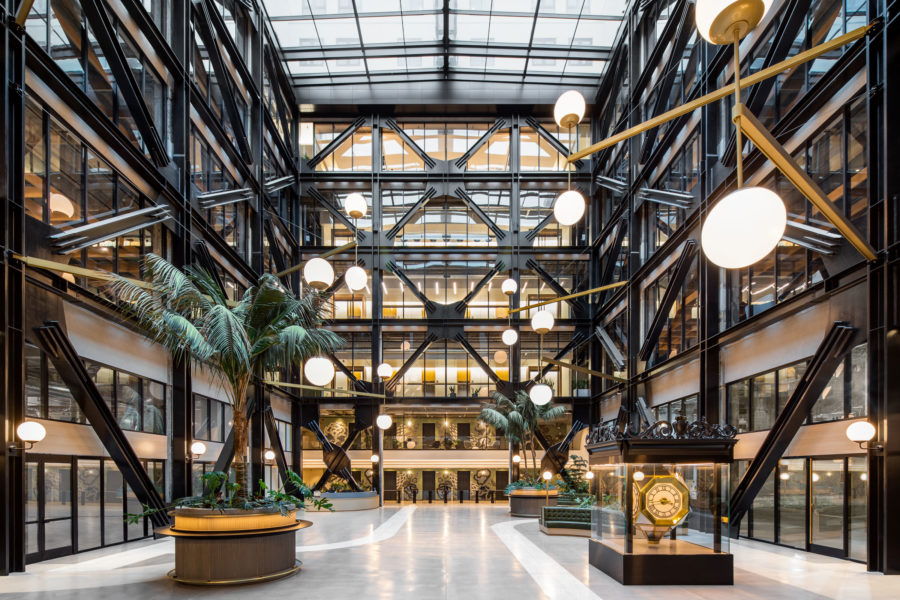

In today’s world, committing to a more eco-friendly construction approach is not only a wise choice but a necessary step towards protecting our planet. This eco-friendly construction tutorial will guide you through the essentials of incorporating sustainable practices into your building projects, whether you are a homeowner or a real estate developer.
As the need for sustainable living increases, so does the demand for green construction techniques. Implementing these practices not only reduces your ecological footprint but can also result in energy and cost savings in the long term. Let’s explore the components behind a successful eco-friendly construction.
Understanding Eco-Friendly Building Materials
Sustainable materials are at the heart of any eco-friendly construction project. Materials such as bamboo, recycled steel, and reclaimed wood provide structural benefits while minimizing environmental impact. To explore further into green construction materials, check out this green construction guide.
The Importance of Energy Efficiency
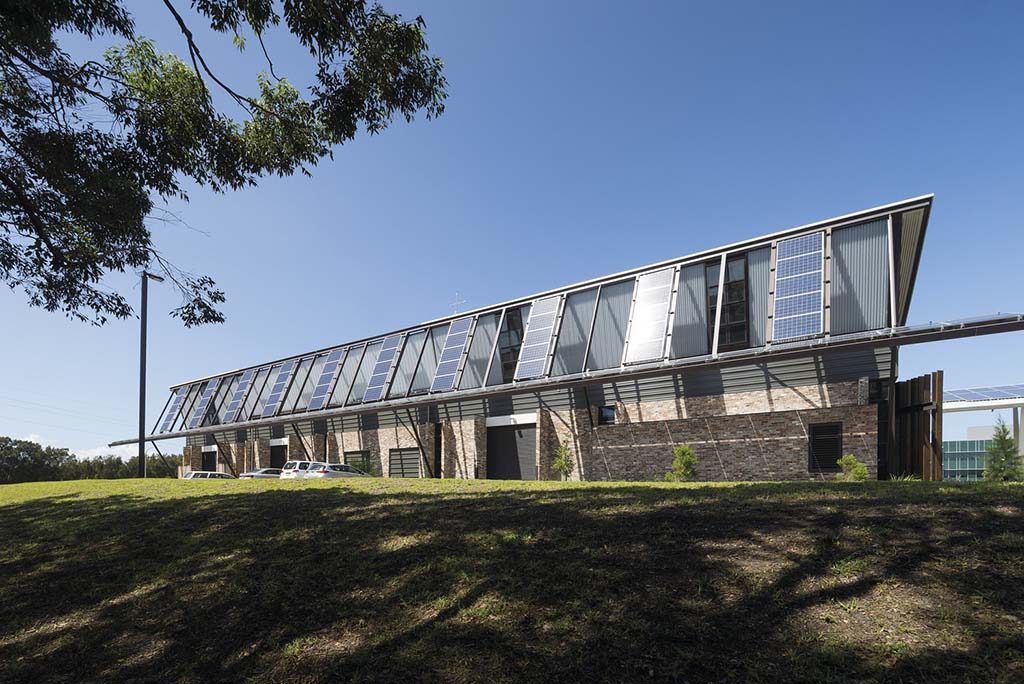
Energy efficiency is a cornerstone of eco-friendly construction. Incorporating energy-efficient appliances, solar panels, and LED lighting can drastically cut energy usage. Learn more about planning energy-efficient homes with our in-depth planning tips.
Insulation and Its Role
Effective insulation is critical to maintaining temperature and reducing energy costs. By using materials such as sheep wool or cellulose, which are both sustainable and provide excellent insulation properties, youre making an eco-conscious choice.
Water Conservation: A Key Element
Water-efficient systems are crucial for conserving resources. Installing low-flow faucets and dual-flush toilets can significantly reduce water consumption. Check out practical DIY tips for installing water-saving features in our DIY tips.
Rainwater Harvesting
This technique captures and stores rainwater for landscape irrigation and other uses, providing a sustainable solution to water scarcity issues.
Site Selection and Maximizing Natural Light
Choosing the right location for your building is pivotal. Sites with maximum exposure to natural light can reduce dependence on artificial lighting and are an essential part of green construction. Heres how to incorporate natural elements into your building project in our comprehensive best practices guide.
Passive Solar Design
Using architectural design to harness solar power naturally heats and cools your home, optimizing energy use efficiently.
Waste Management and Recycling
Managing waste effectively by incorporating recycling and reuse of building materials can dramatically reduce landfill dependency. Learn how you can apply practical waste management strategies by visiting [our external resource on green building standards].
Human Health and Eco-Conscious Interiors
The choice of non-toxic paints, natural flooring, and quality air filtration contributes to a healthier living environment. These selections ensure that your home is not only environmentally friendly but also safe for its inhabitants.
Biophilic Design Principles
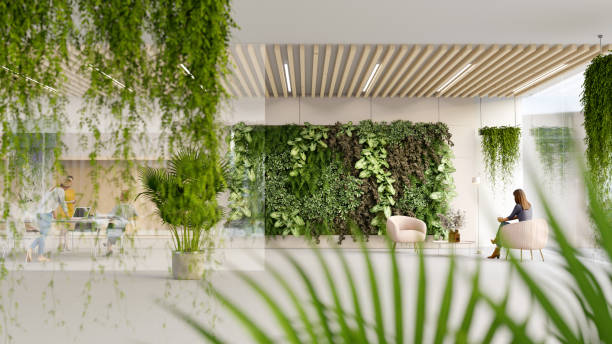
Integrating nature into indoor spaces can boost well-being and productivity, grounding inhabitants with the calming elements of the natural world.
The Role of Smart Home Technology
Smart technologies are revolutionizing eco-friendly construction. From smart thermostats to automated blinds, these technologies contribute to energy savings and enhance the functionality of modern-day homes.
Monitoring and Managing Energy Usage
Utilizing apps and devices to monitor energy usage helps identify areas where energy-saving measures can be implemented for greater efficiency.
Community Impact and Trends
Engaging with communities and integrating local materials and labor can significantly reduce the environmental impact and support the local economy. Check out the latest trends in green buildings for a broader perspective.
FAQ Section
What is eco-friendly construction?
Eco-friendly construction involves using sustainable materials, energy-efficient designs, and waste-reducing practices to create buildings that have minimal impact on the environment.
How can I make my home more eco-friendly?
You can implement energy-efficient appliances, use sustainable building materials, and incorporate water-saving systems to create a more eco-friendly living space.
Why is eco-friendly construction important?
Eco-friendly construction is crucial for reducing carbon footprints, conserving resources, and promoting a healthier environment for current and future generations.
This article contains affiliate links. We may earn a commission at no extra cost to you.