
Introduction to Eco-Friendly Construction
In today’s world, eco-friendly construction is more important than ever. With increasing concerns about climate change, homeowners and real estate developers alike are looking for ways to create sustainable buildings. The concept of eco-friendly construction not only supports the environment but also offers economic advantages. This article will delve into the differences in eco-friendly construction methods, evaluating their benefits and helping you decide the best approach for your construction needs.
Our journey will begin with an understanding of various environmentally-friendly building practices, their pros and cons, and how they compare to traditional methods. This discussion will help homeowners and developers make informed decisions that align with their goals for sustainability and efficiency.
What is Eco-Friendly Construction?
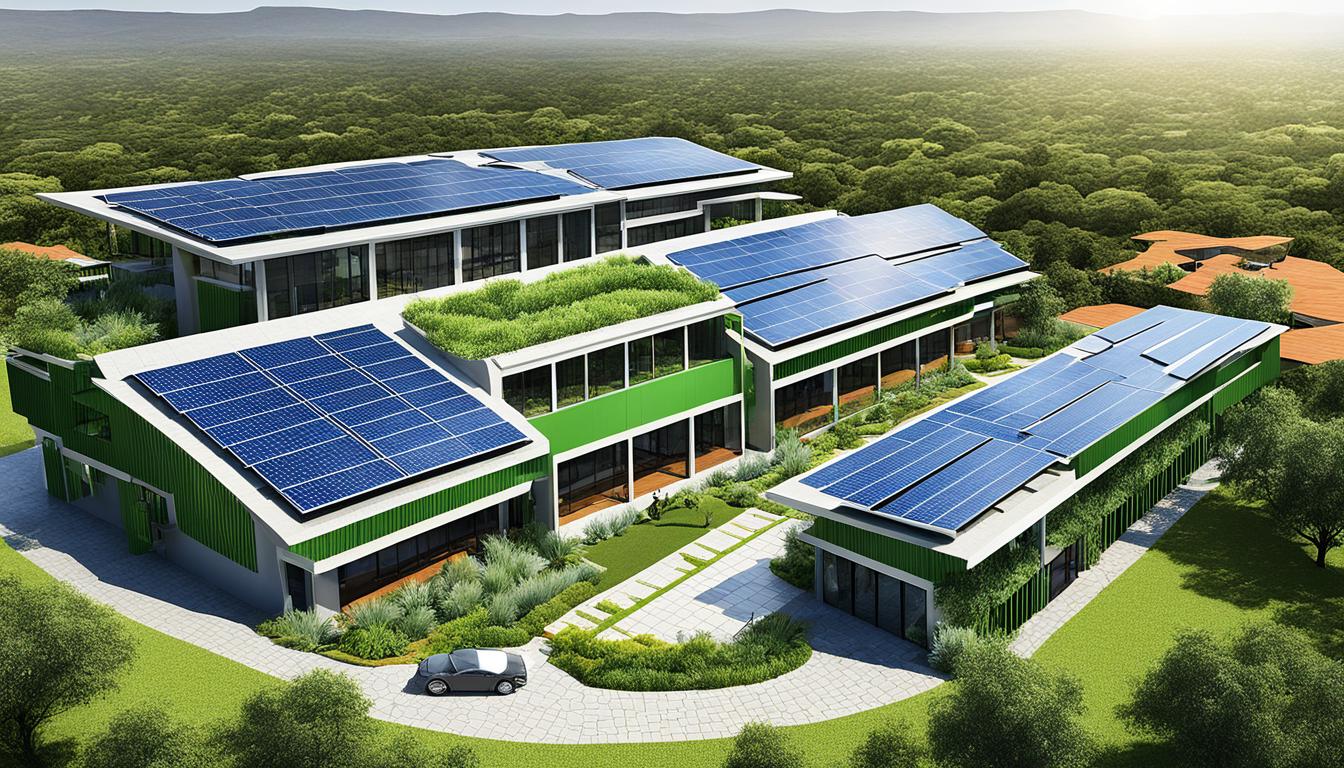
Eco-friendly construction refers to creating buildings with minimal environmental impact. This involves using sustainable materials, reducing waste, and improving energy efficiency. Eco-friendly homes and buildings aim to decrease the carbon footprint while maintaining comfort and functionality.
Initiatives like the U.S. Green Building Council promote sustainable building practices, encouraging the use of renewable resources and efficient technologies.
Why Choose Eco-Friendly Construction?
The benefits of eco-friendly construction are extensive. There is a significant reduction in utility bills due to enhanced energy efficiency. Moreover, sustainable materials are often more durable and longer-lasting, providing both economic and environmental benefits.
Additionally, choosing green building methods can enhance property value and state compliance with green regulations, ensuring a future-proof investment.
Materials Used in Eco-Friendly Construction
Eco-friendly construction relies on sustainable materials. These are materials that come from renewable resources and have a low environmental impact during production and disposal. Examples include bamboo, recycled steel, and reclaimed wood.
Bamboo: A Renewable Resource
Bamboo is an excellent material due to its rapid growth and resilience. It functions as a high-strength alternative to timber, ideal for various applications in eco-friendly construction.
Recycled Steel: Durability and Strength
Recycled steel offers a durable option that upholds structural integrity while significantly reducing the carbon emissions typically associated with steel production. Its recyclability ensures that it can be re-used multiple times without degradation of quality.
Comparing Traditional and Eco-Friendly Methods
When comparing traditional construction practices with eco-friendly methods, several factors come into play. Cost, speed, energy efficiency, and environmental impact must all be considered to make a well-rounded decision. Discovering how these methods stack up against each other will assist individuals looking to incorporate eco-friendly principles into their construction projects.
Cost
While initial costs for eco-friendly construction can be higher due to the premium on sustainable materials and technologies, long-term savings on energy and maintenance often balance out initial expenditures.
Energy Efficiency
Eco-friendly buildings typically boast superior energy efficiency through insulation, renewable energy installations, and optimized designs, resulting in decreased reliance on non-renewable energy sources.
The Role of Renewable Energy
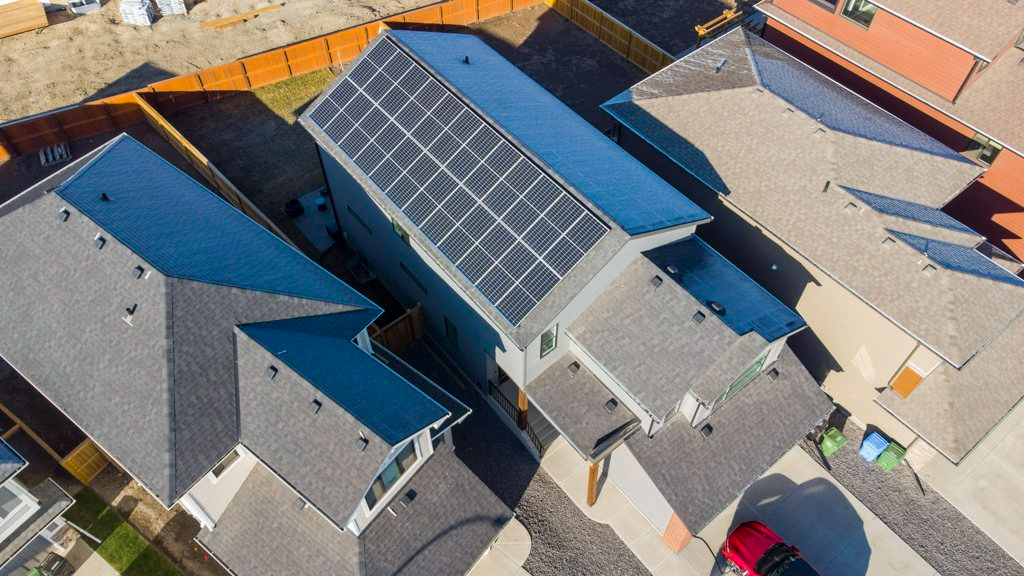
Renewable energy plays a significant role in eco-friendly construction. Technologies such as solar panels, wind turbines, and geothermal systems provide alternative sources of energy that considerably reduce fossil fuel consumption. These enhancements contribute vastly to a home’s sustainability and reduced utility costs.
Solar Panels
Solar panels harness the sun’s power to provide clean, renewable energy for households, cutting down on electricity costs and carbon footprint.
Wind Turbines
Wind energy is another efficient and clean energy source that complements traditional energy supplies and enhances a building’s green credentials.
Conclusion
In conclusion, choosing eco-friendly construction practices is a positive step towards sustainability. By integrating renewable energy sources and using sustainable materials, construction can significantly minimize its environmental impact, ensuring a better future for our planet. For those eager to embark on this path, resources and information on sustainable building practices are invaluable.

FAQ
1. What are some common materials used in eco-friendly construction?
Common materials include bamboo, recycled steel, and reclaimed wood. These materials are chosen for their sustainability and low environmental impact.
2. Is eco-friendly construction more expensive?
While upfront costs can be higher, long-term savings on energy and maintenance often offset these costs, making it a worthwhile investment.
3. How does eco-friendly construction benefit homeowners?
Benefits include reduced utility bills, increased property value, and a healthier living environment due to better air quality and efficient designs.
This article contains affiliate links. We may earn a commission at no extra cost to you.