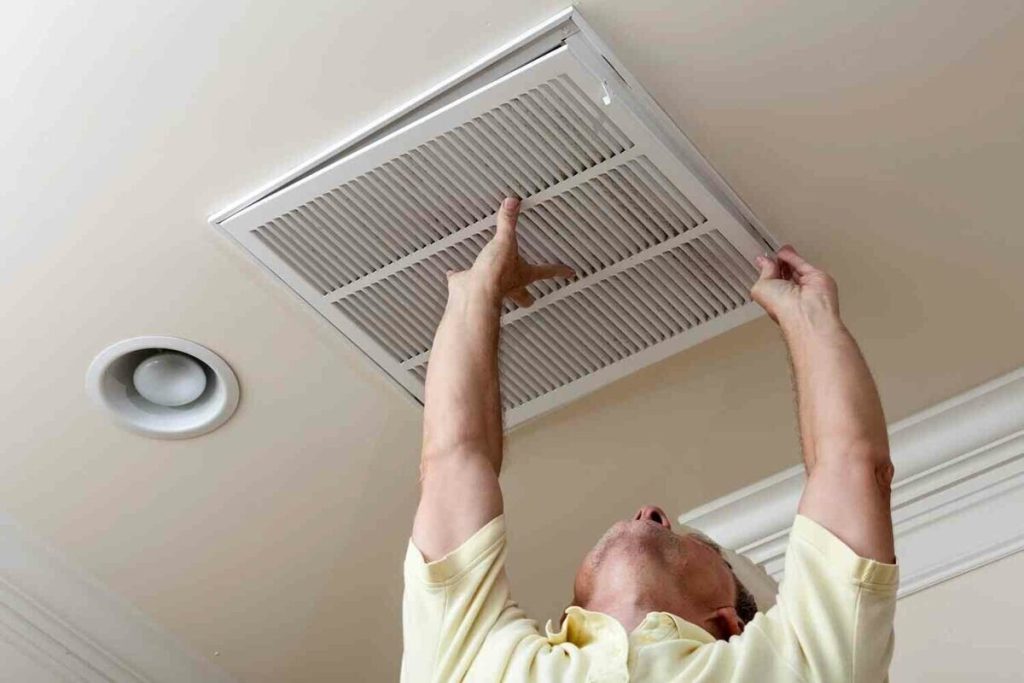

Managing dust during building and renovation projects is crucial for both health and project quality. Fine particles generated from cutting, sanding, and demolition can linger in the air, affecting workers and anyone nearby. Effective strategies for controlling airborne debris not only protect respiratory health but also keep workspaces cleaner and reduce cleanup time. This guide covers practical construction dust ventilation tips to help you maintain a safer, more comfortable environment on any job site.
Whether you’re a contractor, DIY renovator, or property manager, understanding how to ventilate and filter air during construction is essential. Along with best practices for dust management, you’ll find product recommendations and resources to help you implement the right solutions for your space. For those interested in broader remodeling advice, you might also explore our kitchen remodeling visual balance tips for harmonious design ideas.
Why Dust Control Matters in Construction
Construction dust isn’t just a nuisance—it can pose significant health risks. Inhaling fine particles from drywall, concrete, wood, or insulation can lead to respiratory issues, allergies, and long-term lung conditions. Dust accumulation also interferes with finishing work, damages equipment, and creates hazards by reducing visibility.
- Health protection: Reduces risk of asthma, bronchitis, and other respiratory problems.
- Worksite safety: Prevents slips and accidents caused by dust settling on floors.
- Project quality: Keeps surfaces clean for painting, sealing, and finishing.
- Equipment longevity: Minimizes dust infiltration into tools and machinery.
Key Strategies for Effective Dust Ventilation
Implementing the right ventilation methods can dramatically reduce airborne particles. Here are some proven approaches for improving air quality and dust extraction during construction.
1. Use Negative Air Pressure
Creating negative air pressure in the work area helps prevent dust from spreading to adjacent spaces. This is achieved by installing exhaust fans or air movers that draw air out of the room, forcing clean air in and contaminated air out.
- Seal off doorways and vents with plastic sheeting.
- Position exhaust fans in windows or temporary openings.
- Ensure replacement air comes from a clean source, not from dusty zones.
2. Install Temporary Barriers and Seals
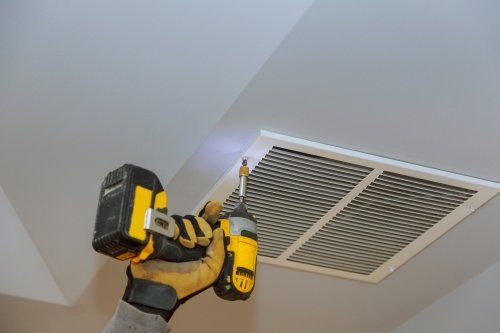
Physical barriers are essential for containing dust. Use heavy-duty plastic sheeting to seal off construction zones from occupied areas. Zippered doors allow easy access while keeping dust contained.
- Cover HVAC vents to prevent dust from entering ductwork.
- Seal gaps around doors, windows, and floors with tape or foam strips.
- Install sticky mats at entry points to trap dust from shoes and equipment.
3. Employ Air Filtration Systems
Portable air scrubbers and filtration units capture fine particles before they settle. Look for HEPA-rated filters, which are highly effective at trapping dust, allergens, and even some airborne microbes.
- Position units near dust sources for maximum efficiency.
- Change filters regularly to maintain airflow and performance.
- Consider units with variable speed controls for different project phases.
Best Practices for Dust Extraction and Removal
In addition to ventilation, mechanical dust extraction is a powerful tool for keeping air clean during construction. Here are some best practices to follow:
- Use dust collection attachments on saws, sanders, and grinders.
- Vacuum frequently with HEPA-filtered shop vacuums, especially after messy tasks.
- Wet methods (such as misting surfaces before cutting) can help suppress dust at the source.
- Schedule regular cleaning of floors and surfaces to prevent buildup.
Choosing the Right Ventilation Equipment
Selecting the best tools for dust management depends on the size of your project and the types of materials involved. Here are a few options to consider:
- Whole house fans: Move large volumes of air quickly, ideal for big renovations.
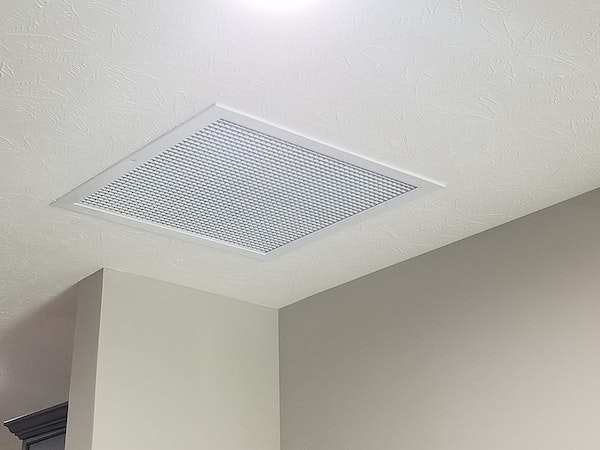
- Ceiling exhaust fans: Remove airborne particles from bathrooms, kitchens, and small workspaces.
- Portable air filtration kits: Flexible and effective for targeted dust removal.
For a deeper look at how home ventilation systems work and their benefits, see this comprehensive guide to home ventilation systems.
Additional Tips for Cleaner Construction Sites
Beyond the main ventilation and extraction methods, a few extra steps can make a big difference:
- Encourage workers to wear N95 or higher-rated masks when dust is present.
- Keep doors and windows open when weather allows to boost natural airflow.
- Plan dust-generating activities for times when fewer people are present.
- Communicate with clients or occupants about dust control measures in place.
FAQ: Common Questions About Dust Ventilation on Construction Sites
How do I know if my construction site has adequate ventilation?
Signs of good ventilation include minimal visible dust in the air, quick clearing of airborne particles after dusty tasks, and the absence of musty or stale odors. If you notice persistent haze or dust settling on surfaces, consider increasing airflow or adding filtration units.
What’s the difference between air filtration and ventilation?
Ventilation involves moving fresh air into and contaminated air out of a space, while air filtration removes particles from the air within a closed environment. Both are important for controlling dust, but filtration is especially useful when outdoor air can’t be introduced easily.
Can I use my home’s HVAC system for dust removal during renovations?
It’s best to avoid running your central HVAC system during dusty work, as fine particles can clog filters and spread throughout the building. Instead, use portable fans and dedicated filtration units, and keep HVAC vents sealed until the area is thoroughly cleaned.
Summary: Cleaner Air, Safer Projects
Keeping airborne debris under control is essential for health, safety, and project quality. By combining negative air pressure, physical barriers, effective filtration, and regular cleaning, you can dramatically reduce dust exposure on any job site. Investing in the right equipment and following these construction dust ventilation tips will help ensure a cleaner, safer, and more efficient construction process.