Planning a new workspace or renovating an existing office can be a complex process for any organization. Understanding commercial office buildout basics is crucial for making informed decisions, staying on budget, and creating a productive environment tailored to your business needs. Whether you’re moving into a blank-slate space or upgrading your current location, a well-executed buildout ensures your team has the right setting to thrive.
Before diving into the essential steps and considerations, it’s helpful to explore related topics in design and remodeling. For example, if you’re interested in how visual balance impacts interior spaces, you might find value in the kitchen remodeling visual balance tips guide, which offers insights that can translate to office environments as well.
Understanding the Fundamentals of Office Buildouts
At its core, a commercial office buildout involves transforming an empty or outdated space into a functional workplace. This process covers everything from initial planning and design to construction, finishing, and move-in. The main goal is to customize the area to fit your company’s operations, culture, and brand image.
There are typically two types of buildouts: tenant improvements (TI), where the tenant customizes the space, and landlord buildouts, where the property owner makes changes before leasing. Understanding which type applies to your situation is the first step in navigating the process.
Key Steps in the Buildout Process
1. Needs Assessment and Space Planning
Begin by evaluating your organization’s requirements. Consider the number of employees, preferred work styles (open-plan vs. private offices), meeting space needs, and future growth. A thorough needs assessment helps you avoid costly changes later.
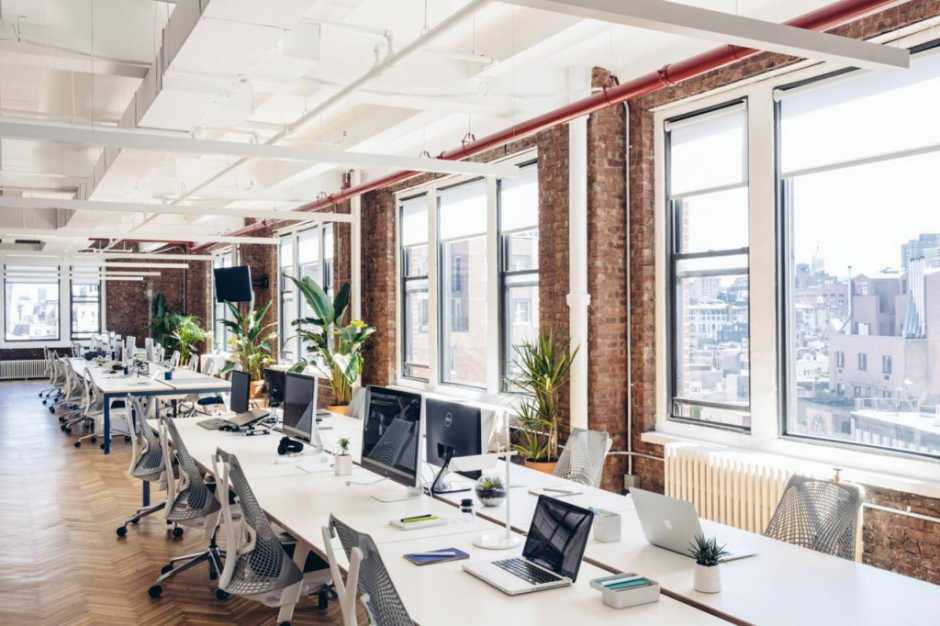
Space planning is about more than just fitting desks into a room. It involves optimizing workflow, ensuring accessibility, and integrating amenities like break areas or collaborative zones. For inspiration on open-plan layouts and their impact on productivity, see this guide to designing an open-plan office.
2. Budgeting and Timeline Management
Setting a realistic budget is one of the most important commercial office buildout basics. Costs can include design fees, construction, permits, furniture, IT infrastructure, and contingency funds for unexpected issues. Work with your contractor or project manager to develop a detailed estimate and timeline, accounting for lead times on materials and approvals.
3. Design and Permitting
Once your needs and budget are defined, collaborate with architects and designers to create a layout that reflects your brand and supports your workflow. This phase covers everything from lighting and acoustics to color schemes and ergonomic considerations.
Before construction begins, you’ll need to obtain the necessary permits. Local regulations may dictate fire safety, accessibility, and environmental standards. Ensuring compliance at this stage prevents delays and costly revisions.
4. Construction and Buildout Execution
The construction phase transforms your plans into reality. This can involve demolition, electrical and plumbing work, HVAC installation, drywall, flooring, painting, and more. Regular site visits and communication with your contractor help keep the project on track.
5. Final Walkthrough and Move-In
Before occupying the space, conduct a thorough walkthrough to ensure all work meets your expectations and contractual obligations. Address any punch-list items—minor fixes or adjustments—before signing off. Once complete, coordinate the move-in and set up IT systems, furniture, and signage.

Essential Considerations for a Successful Office Renovation
Choosing the Right Team
Selecting experienced professionals—architects, designers, contractors, and project managers—is vital. Look for teams with a proven track record in commercial projects and a clear understanding of office buildout fundamentals. Good communication and transparency are key to avoiding misunderstandings and delays.
Prioritizing Flexibility and Future Growth
Design your workspace with adaptability in mind. Modular furniture, movable partitions, and scalable infrastructure make it easier to accommodate changes in staffing or technology. This flexibility can save significant costs down the line.
Integrating Technology and Sustainability
Modern offices rely on robust IT systems, smart lighting, and energy-efficient HVAC. Investing in sustainable materials and practices not only reduces your environmental impact but can also lower operating costs. Consider features like LED lighting, recycled materials, and efficient water fixtures.
Common Pitfalls and How to Avoid Them
- Underestimating Costs: Always include a contingency fund—unexpected expenses are common in construction.
- Ignoring Building Codes: Work with professionals who understand local regulations to avoid costly compliance issues.
- Poor Communication: Establish regular check-ins with your project team to address concerns early.
- Neglecting Employee Input: Involve staff in the planning process to ensure the space meets their needs and boosts morale.
- Overlooking IT and Security: Plan for secure access, data cabling, and future tech upgrades from the start.
Frequently Asked Questions
What is typically included in a commercial office buildout?
A standard buildout covers space planning, construction (walls, floors, ceilings), electrical and plumbing work, HVAC, lighting, painting, and installation of fixtures. It may also include IT infrastructure, security systems, and furniture, depending on your agreement with the landlord or contractor.
How long does an office buildout usually take?
The timeline varies based on the size and complexity of the project. Simple renovations can take a few weeks, while full-scale buildouts may require several months. Factors like permitting, material lead times, and change orders can impact the schedule.
How can I control costs during the buildout process?
Start with a clear budget and detailed scope of work. Choose experienced professionals, request multiple bids, and maintain open communication throughout the project. Including a contingency fund and making decisions early can help prevent overruns.
Conclusion
Mastering commercial office buildout basics empowers businesses to create workspaces that are efficient, attractive, and adaptable. By understanding the process, assembling the right team, and planning for both present and future needs, you can ensure your office renovation delivers lasting value. For more insights on design and remodeling, explore resources like kitchen remodeling hardware style guide to discover how thoughtful planning translates across different types of spaces.