
The idea of disconnecting from public utilities and building a self-sufficient lifestyle appeals to many people looking for independence, sustainability, or a simpler way of life. However, before making the leap, it’s important to understand the legal landscape. The question of can you live off-grid legally is more complex than it might first appear. Laws and regulations vary widely depending on your location, the type of off-grid systems you want to use, and how you plan to meet your basic needs like water, power, and waste management.
In this article, we’ll break down the key legal considerations, common challenges, and practical steps for those interested in pursuing an off-grid lifestyle. You’ll also find helpful resources and answers to frequently asked questions to help you navigate the process with confidence.
If you’re considering a move toward self-reliance, it’s also worth learning about rural off-grid lifestyle realities, which cover the pros, cons, and everyday experiences of living away from conventional infrastructure.
Understanding Legal Definitions of Off-Grid Living
The term “off-grid” generally refers to living without connections to municipal water, sewer, and electrical systems. However, the legal definition can differ depending on your state, county, or city. Some areas allow complete independence from public utilities, while others require at least partial connections or adherence to specific codes.
- Building codes may require certain types of structures or minimum square footage.
- Zoning laws can dictate whether residential, agricultural, or mixed-use off-grid living is allowed.
- Utility regulations sometimes mandate a connection to the grid, especially for electricity or water.
It’s essential to research your local ordinances before purchasing land or starting construction. Some states are more friendly to alternative lifestyles, while others have strict rules that can make true off-grid living difficult or even illegal.
Key Legal Hurdles for Off-Grid Homesteads
Many aspiring homesteaders encounter legal obstacles when trying to disconnect from public services. Here are some of the most common challenges:
- Water Rights and Access: In many regions, you cannot simply dig a well or collect rainwater without permits. Some states have strict water rights laws that limit your ability to source water independently.
- Sewage and Waste Disposal: Most jurisdictions require approved septic systems or composting toilets. Improper waste management can lead to fines or even eviction.
- Building Permits: Even if you own your land, you may need permits for any permanent structure, including tiny homes, cabins, or alternative dwellings.
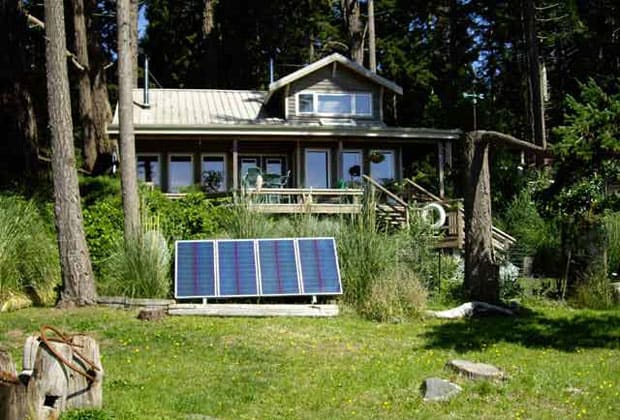
- Power Generation: Solar panels and wind turbines are generally allowed, but some areas require inspections or prohibit disconnecting from the electrical grid entirely.
Navigating these legal requirements is a crucial step in answering whether living off-grid is legal in your chosen location.
State and Local Variations in Off-Grid Laws
The legality of off-grid living is highly dependent on where you choose to settle. For example, states like Arizona, Missouri, and Alaska are known for their lenient regulations and large rural areas, making it easier to live independently. In contrast, places like California and Florida have more restrictive codes, especially in densely populated counties.
Even within a single state, counties and municipalities can have vastly different requirements. Rural areas tend to be more flexible, while suburban and urban regions often enforce stricter codes. Before committing to a property, contact the local planning office and ask about:
- Minimum dwelling size
- Permitted types of waste systems
- Rules for alternative energy installations
- Water sourcing and storage regulations
For a deeper look at the realities and misconceptions about this lifestyle, check out resources like off-grid homesteading myths to separate fact from fiction.
Essential Systems and Legal Compliance
To maintain a sustainable and lawful off-grid homestead, you’ll need to address several core needs within the boundaries of local law:
Water Collection and Use
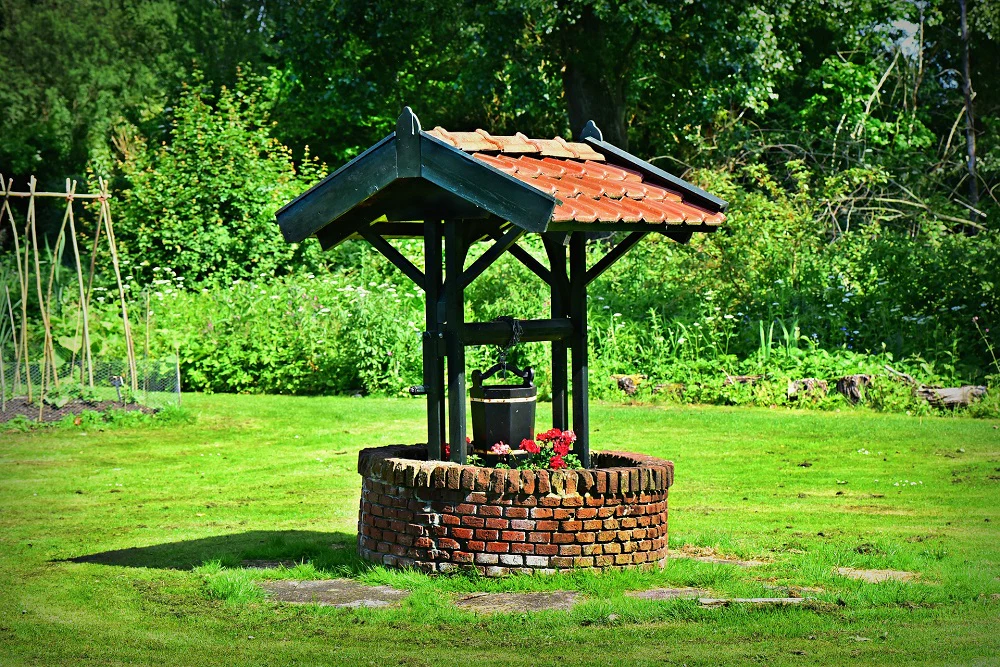
Water is a top priority for any off-grid property. While some states encourage rainwater harvesting and well drilling, others require permits or limit the amount you can collect. Always check with your state’s water resources department.
Waste Disposal and Sanitation
Composting toilets, greywater systems, and septic tanks are common solutions for waste management. Each option comes with its own set of regulations. For example, some counties prohibit composting toilets, while others require engineered septic systems.
Power Generation and Storage
Solar, wind, and micro-hydro systems are popular choices for generating electricity off the grid. Most areas allow these systems, but you may need permits or inspections to ensure safety and code compliance. Some localities still require a grid connection, so check before investing in alternative energy.
For more on optimizing your energy use, see off-grid homestead automation for tips on smart energy management.
Tips for Navigating Off-Grid Legalities
- Start by researching state, county, and city codes for your target area.
- Contact local building and planning departments to clarify requirements.
- Consider working with a lawyer or consultant familiar with rural land use and off-grid living.
- Document all permits, inspections, and approvals to avoid future disputes.
- Connect with local off-grid communities for advice and firsthand experience.
For a comprehensive checklist of what to consider before going off-grid, see this detailed guide to off-grid homesteading essentials.
If you’re preparing for emergencies or want to ensure your health and safety, explore off-grid medical preparedness for practical advice on self-reliant healthcare.
Frequently Asked Questions
Is it possible to live off the grid legally in every state?
While most states have some areas where off-grid living is possible, the ease of doing so varies greatly. Rural regions are typically more accommodating, but always check local codes before making plans.
Do I need permits for solar panels or wind turbines?
In most places, you’ll need permits for installing alternative energy systems, especially if they are permanent or large-scale. Some areas also require inspections to ensure safety and compliance with building codes.
Can I use a composting toilet or greywater system?
Composting toilets and greywater systems are legal in some areas but prohibited in others. Always verify with your local health department or building authority before installation.
What are the biggest legal risks of going off-grid?
The main risks include fines for unpermitted construction, improper waste disposal, or unauthorized water use. In rare cases, authorities may order you to reconnect to utilities or vacate the property.
Conclusion
The journey toward independent living is rewarding but requires careful planning and a thorough understanding of local laws. By researching regulations, securing the right permits, and learning from others who have made the transition, you can increase your chances of building a sustainable and lawful off-grid homestead. Stay informed, stay flexible, and always prioritize safety and compliance as you pursue your off-grid goals.