Skip to content
Bruce Massey Construction Bruce Massey Construction

Where Vision Meets Precision

  • Home
  • About Us
  • Blog
  • Contact Us
    • Terms of Use
    • Privacy Policy
Bruce Massey Construction

Where Vision Meets Precision

Building Science Behind Passive Design

Elan James, November 13, 2025February 12, 2026

Passive design is a building science that leverages natural resources to maintain a comfortable indoor environment. The aim is to minimize energy use by harnessing the sun’s heat, wind direction, and other natural elements. Let’s delve into the principles and benefits of this innovative approach to building design.

Before we dive deeper, it’s important to understand some related concepts. For instance, understanding the airtight tape and membrane guide can help you appreciate the intricacies of passive design.

Principles of Passive Design
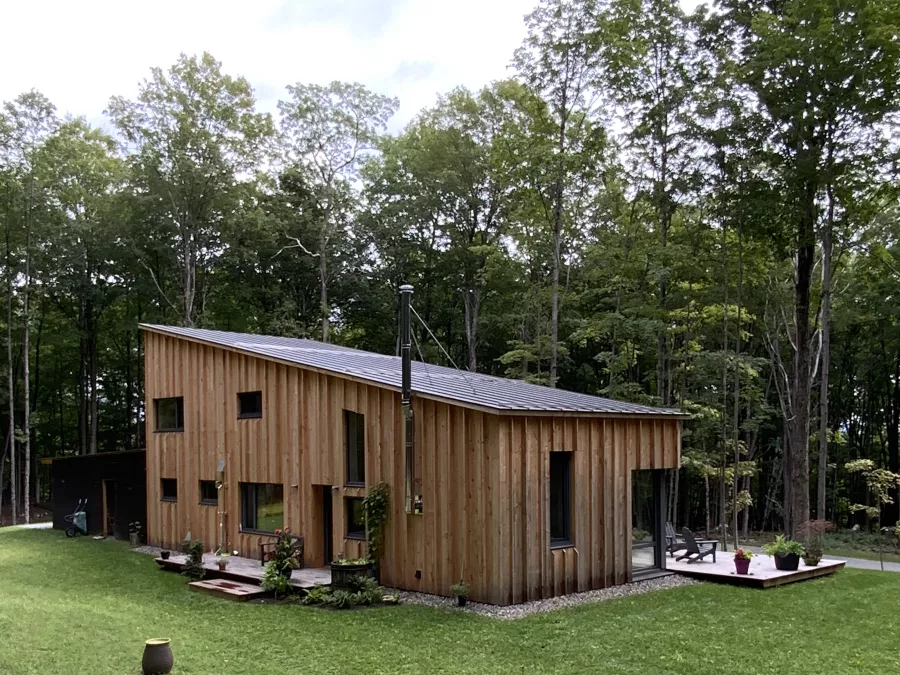
building science behind passive design Building Science Behind Passive Design

Passive design is based on four key principles: orientation, insulation, ventilation, and thermal mass. These principles work together to create buildings that are energy-efficient, comfortable, and sustainable.

Benefits of Passive Design
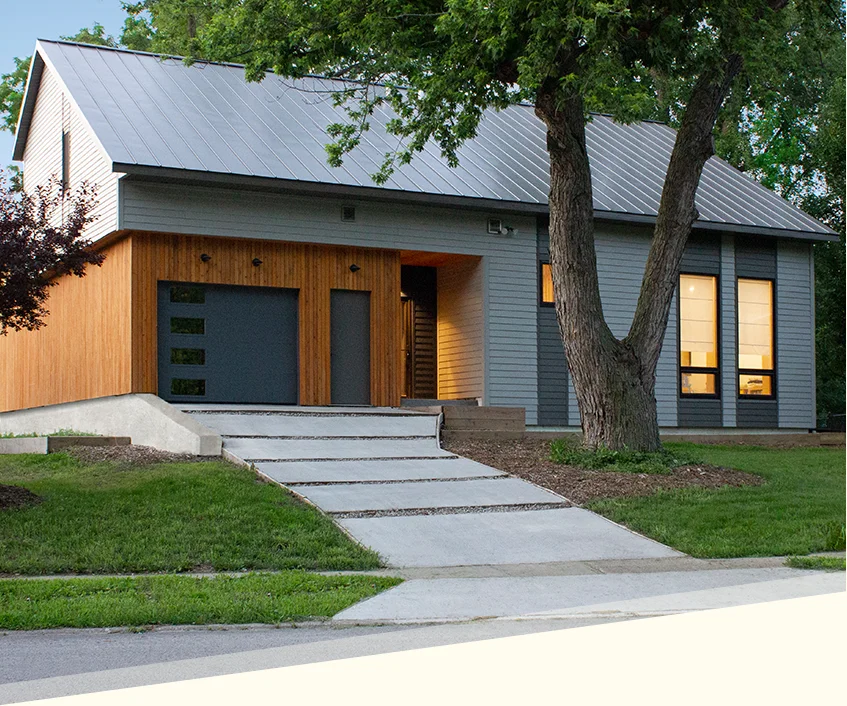
building science behind passive design Building Science Behind Passive Design

The benefits of passive design are numerous. They include reduced energy costs, improved indoor air quality, and enhanced comfort. Furthermore, this approach contributes to environmental sustainability by reducing carbon emissions.

Implementing Passive Design

Implementing passive design requires careful planning and execution. Key considerations include the building’s location, climate, and materials used. For a comprehensive list of considerations, you can refer to this passive design checklist.

In conclusion, the science behind passive design offers a promising solution to the global energy crisis. By harnessing natural resources, we can create buildings that are not only comfortable and healthy but also sustainable. To further enhance the energy efficiency of your passive house, consider adding solar supports energy balance and enjoy quiet clean energy.

Blog Blogbuilding science behind passive designHow-To Guides

Post navigation

Previous post
Next post

Related Posts

Blog Indoor Air Quality

Who guidelines for indoor air quality dampness and mould

March 17, 2024April 28, 2026

Maintaining a healthy indoor environment is a paramount concern for both homeowners and real estate developers. The World Health Organization (WHO) has set forth comprehensive guidelines for indoor air quality, specifically addressing the issues of dampness and mould. In this article, we’ll delve into these WHO guidelines for indoor air…

Read More
Blog

Kitchen Remodeling Glass Cabinet Ideas for Stylish Storage

July 7, 2026July 17, 2026

Glass-front cabinets have become a popular choice for homeowners looking to add both function and flair to their kitchen renovations. By blending tran…

Read More
Blog Pool

How to break in pool

November 27, 2024February 12, 2026

Learning how to break in pool properly can be the difference between controlling the game and losing it from the start. A powerful and skillful break not only gives you the upper hand but also spreads the balls properly for an easier run. Whether you’re a beginner or an advanced…

Read More

Recent Posts

  • How Ventilation Affects Indoor Comfort
  • Kitchen Remodeling Lighting Types Explained for Better Design
  • Kitchen Remodeling Theme Ideas for Stylish Kitchens
  • Ventilation Load Calculations Explained
  • Air Filtration vs Ventilation Explained
©2026 Bruce Massey Construction | WordPress Theme by SuperbThemes