
The search for the best states for off-grid homesteading is more relevant than ever as more people look to live sustainably, reduce their reliance on public utilities, and embrace a self-sufficient lifestyle. Choosing the right location is crucial—climate, land costs, water rights, building codes, and community support all play a role in whether your off-grid dream becomes a reality. This guide explores top regions across the United States where living off the grid is not only possible but practical, highlighting what makes each area stand out for aspiring homesteaders.
Whether you’re planning to grow your own food, harness renewable energy, or simply escape the noise of city life, understanding the unique advantages and challenges of each state is essential. We’ll also touch on important considerations like local regulations, natural resources, and the realities of rural living. For those interested in the practical side of preparedness, our off-grid medical preparedness resource offers valuable insights for staying healthy and safe in remote locations.
Key Factors When Choosing a State for Off-Grid Living
Before diving into specific locations, it’s important to understand what makes a state suitable for off-grid homesteading. Here are some of the most significant factors to consider:
- Climate and Growing Season: A longer growing season supports year-round food production, while mild winters reduce heating needs.
- Land Affordability: Lower land prices make it easier to acquire larger plots for gardening, livestock, and privacy.
- Water Access and Rights: Reliable water sources and favorable water laws are essential for self-sufficiency.
- Building Codes and Zoning: Flexible regulations allow for alternative building methods and renewable energy systems.
- Community and Resources: Access to like-minded neighbors, local markets, and homesteading networks can be invaluable.
Top States for Off-Grid Homesteading in 2026
Several states consistently rank high for those seeking to live independently and sustainably. Here’s a closer look at some of the most promising options, each offering unique benefits for off-grid enthusiasts.
1. Arkansas: Affordable Land and Mild Climate
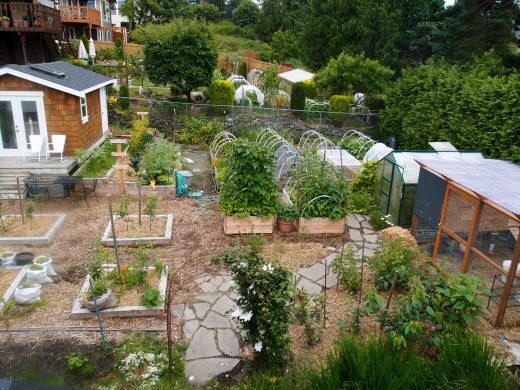
Arkansas is a favorite among off-grid homesteaders thanks to its low land prices, abundant rainfall, and moderate winters. The state’s relaxed building codes in rural areas make it easier to construct alternative homes, such as cabins or earthships. Water is plentiful, and the growing season is long enough for diverse crops. For those interested in livestock, Arkansas offers ample pastureland and a supportive agricultural community.
2. Missouri: Flexible Regulations and Central Location
Missouri stands out for its lenient zoning laws, especially in unincorporated areas. Homesteaders can build tiny homes, use composting toilets, and install off-grid energy systems with minimal red tape. The state’s central location means reasonable access to markets and supplies, while its fertile soil supports a wide range of crops. Missouri’s cost of living is also among the lowest in the nation, making it easier to invest in your homestead.
3. Idaho: Abundant Natural Resources and Privacy
For those seeking seclusion and natural beauty, Idaho offers vast tracts of affordable land, especially in the northern and central regions. The state is known for its clean rivers, forests, and abundant wildlife, making it ideal for hunting, fishing, and foraging. While winters can be harsh, many off-grid residents appreciate the challenge and the opportunity to live close to nature. Idaho’s supportive off-grid community and favorable laws for rainwater collection and renewable energy are additional draws.
4. Tennessee: Supportive Homesteading Culture
Tennessee has become a hub for self-reliant living, with a growing network of homesteaders and a culture that values independence. The state’s mild climate, ample rainfall, and long growing season make it easy to grow food and raise animals. Land is still relatively affordable, especially in the eastern and central regions. Tennessee’s flexible building codes in rural counties allow for creative housing solutions, and the state’s lack of income tax is a bonus for many.
5. Arizona: Solar Potential and Wide-Open Spaces
While Arizona’s arid climate presents challenges, it’s also one of the best places for harnessing solar energy. The state’s vast stretches of inexpensive land, particularly in the northern and western regions, attract those seeking solitude and independence. Water can be scarce, so rainwater harvesting and careful planning are essential. Arizona’s minimal regulations in rural counties make it possible to experiment with alternative building and energy systems.
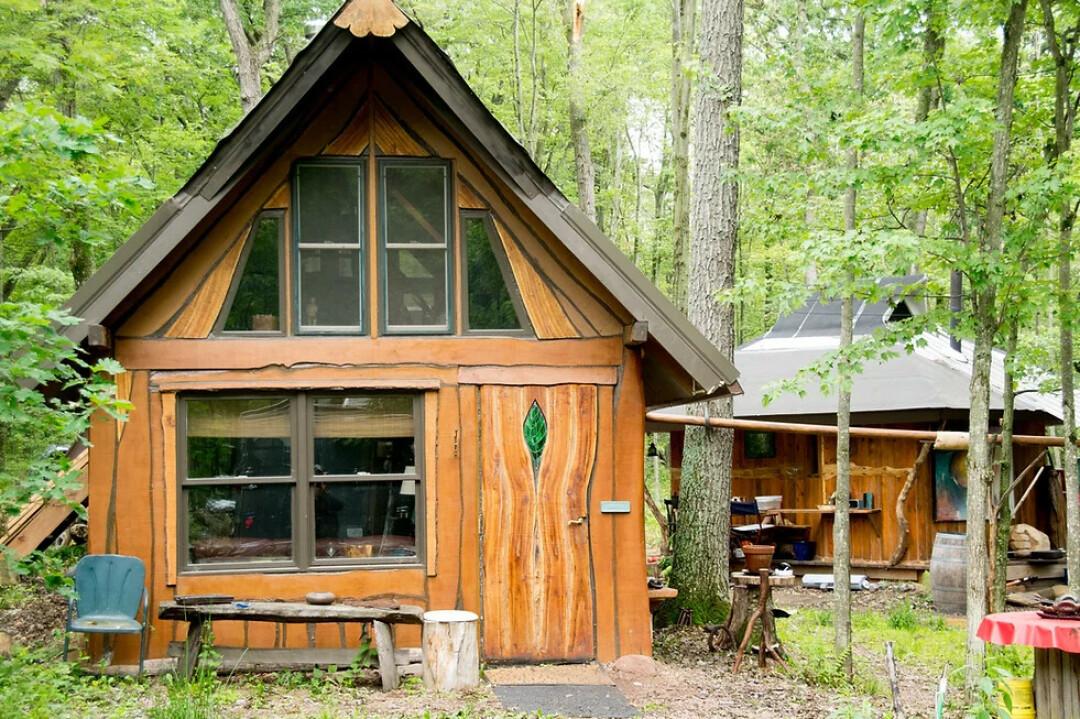
Other Noteworthy States for Off-Grid Homesteading
While the states above are top choices, several others deserve mention for their unique advantages:
- Montana: Known for its wide-open spaces, low population density, and relaxed regulations.
- Maine: Offers affordable land, abundant forests, and a strong tradition of self-reliance.
- Alaska: The ultimate destination for those seeking true wilderness and independence, though the climate can be extreme.
- Oregon: Especially eastern Oregon, with its flexible land use laws and supportive homesteading communities.
- Texas: Large rural areas with minimal zoning restrictions, though water access varies by region.
Legal and Practical Considerations for Off-Grid Homesteaders
No matter where you settle, understanding local laws and practical realities is crucial. Research building codes, septic and sanitation requirements, and renewable energy regulations before purchasing land. Some states and counties are more welcoming to alternative lifestyles than others. Connecting with local homesteading groups can provide valuable insights and help you avoid costly mistakes.
For a deeper dive into the realities of rural, independent living, see our guide on the rural off-grid lifestyle. If you’re interested in automating your homestead, our resource on off-grid homestead automation covers smart energy use and more.
Resources for Getting Started
Building an off-grid homestead is a significant undertaking, but there are many resources available to help. For step-by-step advice, the Mother Earth News guide to building an off-grid homestead offers practical information on everything from site selection to energy systems. Local extension offices, online forums, and regional homesteading groups can also provide support and guidance.
Don’t forget to prepare for emergencies and unexpected events. Our disaster preparedness off-grid article covers essential tips for staying safe and resilient, while our breakdown of off-grid homesteading myths helps separate fact from fiction.
Frequently Asked Questions
What are the main challenges of off-grid homesteading?
The biggest hurdles include securing reliable water sources, dealing with extreme weather, navigating local regulations, and maintaining energy independence. Adapting to rural isolation and learning new skills are also common challenges for newcomers.
How much land do I need for a self-sufficient homestead?
The ideal acreage depends on your goals. Many find that 2–10 acres is sufficient for gardening, small livestock, and privacy. Those wanting larger-scale farming or more seclusion may seek 20 acres or more.
Can I legally live off-grid in any state?
Most states allow off-grid living, but local county and municipal codes vary widely. Always check zoning laws, building codes, and utility requirements before purchasing land to ensure your plans are feasible.
Where can I learn more about building and maintaining an off-grid homestead?
There are many online resources, books, and local organizations dedicated to off-grid living. The Mother Earth News guide is a great starting point, and connecting with local homesteading groups can provide hands-on advice.