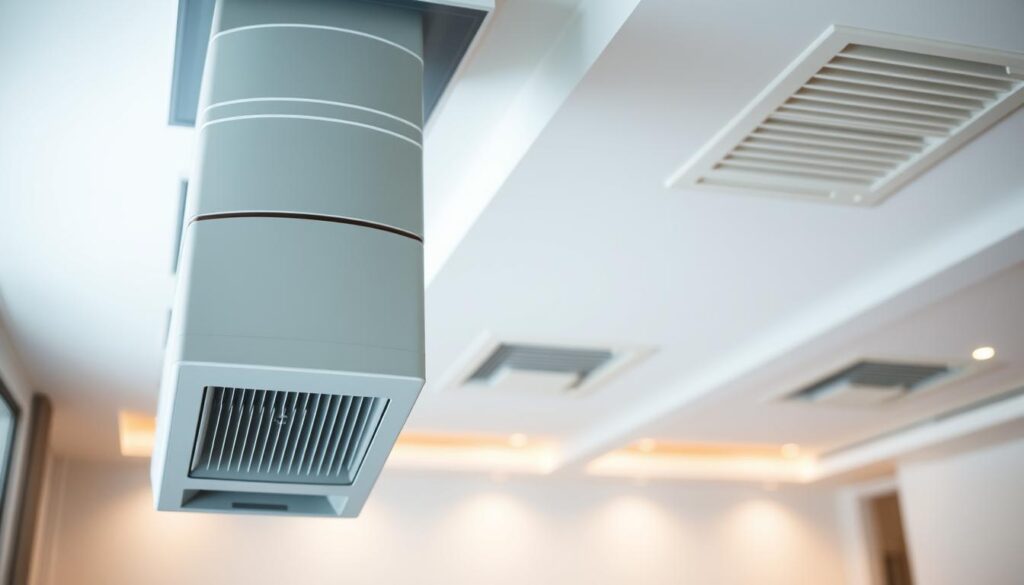

Efficient ventilation is essential for maintaining healthy indoor air and comfortable living environments. As homes become more airtight due to better insulation and sealing, ensuring proper air movement becomes increasingly important. That’s where airflow boosters come into play. These devices are designed to enhance the circulation of air within your home, helping to balance temperatures, reduce humidity, and improve overall air quality.
In this guide, we’ll provide a comprehensive overview of how these systems work, the types available, their benefits, and practical installation tips. We’ll also highlight how airflow enhancement fits into broader ventilation strategies, referencing resources like ventilation considerations during framing for those interested in holistic home improvement.
Understanding the Role of Airflow Enhancement Devices
Airflow boosters are mechanical or passive devices that increase the movement of air through ducts, rooms, or entire buildings. They are often used to address areas with poor ventilation, such as rooms far from central HVAC units or spaces prone to stuffiness and moisture buildup. By improving air exchange, these devices help maintain consistent temperatures and reduce the risk of mold and allergens.
The importance of proper air movement cannot be overstated. Without it, even the best insulation and sealing can lead to stagnant air, uneven heating or cooling, and increased energy costs. Integrating airflow solutions is a practical step toward a healthier, more efficient home.
Types of Airflow Boosters and How They Work
There are several categories of airflow enhancement products, each suited to different needs and building layouts. Here are the most common types:
- Inline duct fans: Installed directly into ductwork, these fans help move air more efficiently through long or complex duct runs.
- Register boosters: These are placed over or inside vent registers to increase the flow of conditioned air into specific rooms.
- Whole-house fans: Mounted in attics, these fans pull fresh air through open windows and exhaust hot air out, rapidly cooling the home and improving ventilation.
- Ceiling and wall exhaust fans: Used in bathrooms, kitchens, and laundry rooms to remove humid or stale air directly to the outside.
Each type is designed to address specific airflow challenges. For example, inline duct fans are ideal for homes with long duct runs, while register boosters can solve problems in rooms that never seem to get enough heating or cooling.

Benefits of Using Airflow Enhancement Solutions
Integrating these devices into your home’s ventilation system offers a range of advantages:
- Improved comfort: By ensuring even distribution of heated or cooled air, these solutions eliminate hot or cold spots.
- Better air quality: Enhanced circulation helps reduce indoor pollutants, allergens, and humidity.
- Energy efficiency: When air moves efficiently, HVAC systems don’t have to work as hard, which can lower utility bills.
- Moisture control: Proper airflow reduces condensation and the risk of mold growth, especially in bathrooms and kitchens.
For those interested in the relationship between insulation and ventilation, our article on how insulation affects ventilation provides additional context on why balanced airflow is so important in modern homes.
Choosing the Right Airflow Booster for Your Space
Selecting the best device depends on your home’s layout, existing ventilation, and specific problem areas. Here are some factors to consider:
- Room size and use: Larger rooms or those with high moisture (like bathrooms) may require more powerful fans or multiple devices.
- Ductwork configuration: Long or complex duct runs benefit from inline fans, while register boosters are ideal for isolated rooms.
- Noise levels: Some fans are quieter than others. Look for models rated for low decibel output if noise is a concern.
- Energy consumption: Energy-efficient models can help keep operating costs down.
Consulting with a ventilation specialist or HVAC professional can help you identify the most effective solution for your needs.
Installation Tips and Maintenance
Proper installation is key to maximizing the benefits of any airflow enhancement device. Here are some practical tips:
- Follow manufacturer instructions: Always use the guidelines provided with your device for safe and effective installation.
- Check compatibility: Ensure the device fits your duct size or register dimensions.
- Seal gaps: Use appropriate sealants or tapes to prevent air leaks around installed fans or boosters.
- Test airflow: After installation, check that air is moving as expected and adjust settings if necessary.
Regular maintenance, such as cleaning fan blades and replacing filters, will keep your system running efficiently. If you’re planning a renovation, consider reading about ventilation during home renovation to ensure your upgrades support optimal airflow.
Integrating Airflow Solutions with Whole-Home Ventilation
Boosting air movement is just one part of a comprehensive ventilation strategy. For best results, combine these devices with other systems such as energy recovery ventilators, balanced intake and exhaust fans, and regular air quality monitoring.
For a deeper dive into how home ventilation systems operate, the resource on how home ventilation systems work offers valuable insights into the science and mechanics behind healthy indoor environments.
Remember, balancing air sealing and ventilation is crucial. Over-sealing can trap pollutants, while excessive ventilation can waste energy. For guidance, see our article on air sealing and ventilation balance.
Frequently Asked Questions
What are the signs that my home needs an airflow booster?
Common indicators include rooms that are consistently hotter or colder than others, noticeable stuffiness, lingering odors, or visible condensation on windows and walls. If you notice uneven temperatures or poor air quality, adding a booster may help.
Can I install an airflow enhancement device myself?
Many register boosters and some inline fans are designed for DIY installation with basic tools. However, for more complex systems or if you’re unsure about electrical work, it’s best to consult a professional to ensure safety and optimal performance.
Will using airflow boosters increase my energy bills?
When used correctly, these devices can actually help reduce energy costs by improving the efficiency of your heating and cooling systems. Choose energy-efficient models and use them only as needed for best results.
How do airflow boosters fit into overall home ventilation?
They are a targeted solution for specific problem areas and work best as part of a broader ventilation plan. Combining them with other systems ensures balanced air exchange and optimal indoor comfort.