
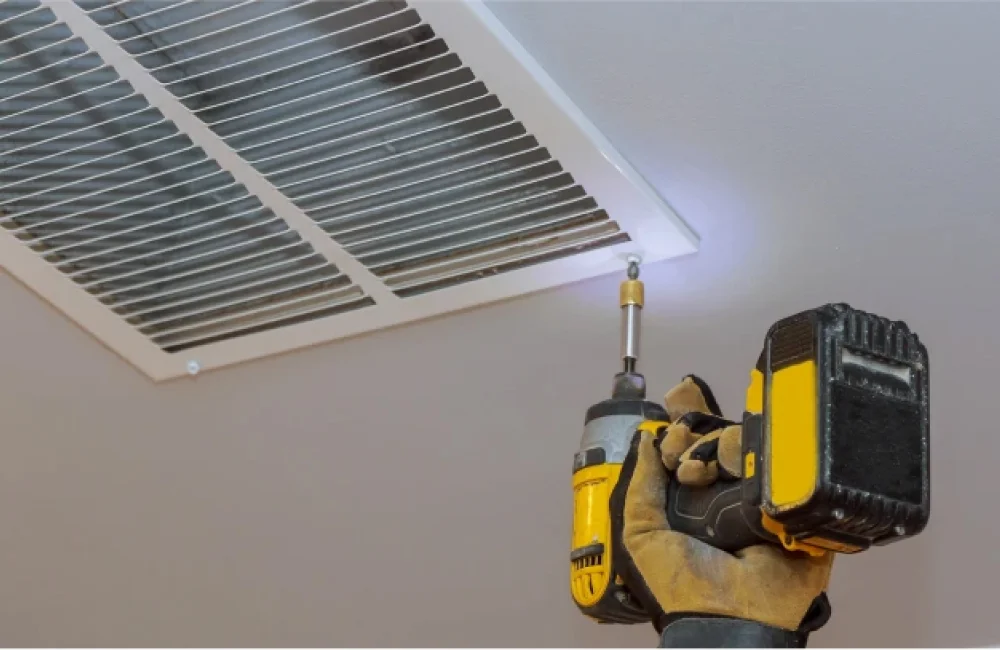

Maintaining efficient airflow in a building is essential for indoor comfort, energy savings, and healthy air quality. However, one of the most common and overlooked issues that can undermine these goals is air duct leaks and ventilation loss. When gaps, holes, or poorly sealed connections develop in ductwork, the entire ventilation system can become compromised, leading to uneven temperatures, higher utility bills, and even health concerns.
Understanding how these leaks occur and their impact on your home’s air circulation is crucial for homeowners and facility managers alike. This article explores the causes, signs, and consequences of duct leakage, as well as practical steps to identify and address the problem. If you want to optimize your HVAC system and ensure effective ventilation, addressing duct leaks should be a top priority.
For those interested in optimizing airflow in specific areas, exploring topics like proper placement of exhaust fans can further enhance your home’s ventilation strategy.
Understanding Duct Leakage and Its Impact on Airflow
Ductwork is responsible for distributing conditioned air throughout a building. When these ducts develop leaks—whether from age, poor installation, or physical damage—air escapes before reaching its intended destination. This results in ventilation loss, where rooms may feel stuffy, unevenly heated or cooled, and the HVAC system must work harder to maintain comfort.
The consequences of air duct leaks and ventilation loss are far-reaching. Not only does it waste energy, but it can also introduce dust, allergens, and pollutants into the living space. In some cases, negative pressure caused by leaks can draw in air from attics, crawl spaces, or garages, further degrading indoor air quality.
Common Causes of Leaky Ducts
- Poor Installation: Ducts that are not properly sealed at joints and seams are prone to gaps and air escape.
- Age and Wear: Over time, duct materials can deteriorate, leading to cracks or holes.
- Physical Damage: Construction work, rodents, or accidental impact can puncture or disconnect duct sections.
- Improper Repairs: Temporary fixes with tape or makeshift materials often fail, allowing leaks to persist.
How Leaks Lead to Ventilation Loss
When air escapes from ducts, the system loses its ability to deliver the right amount of fresh or conditioned air to each room. This not only reduces comfort but also puts extra strain on the HVAC unit, leading to higher energy consumption and premature wear. In severe cases, up to 30% of the air moving through the duct system can be lost due to leaks.
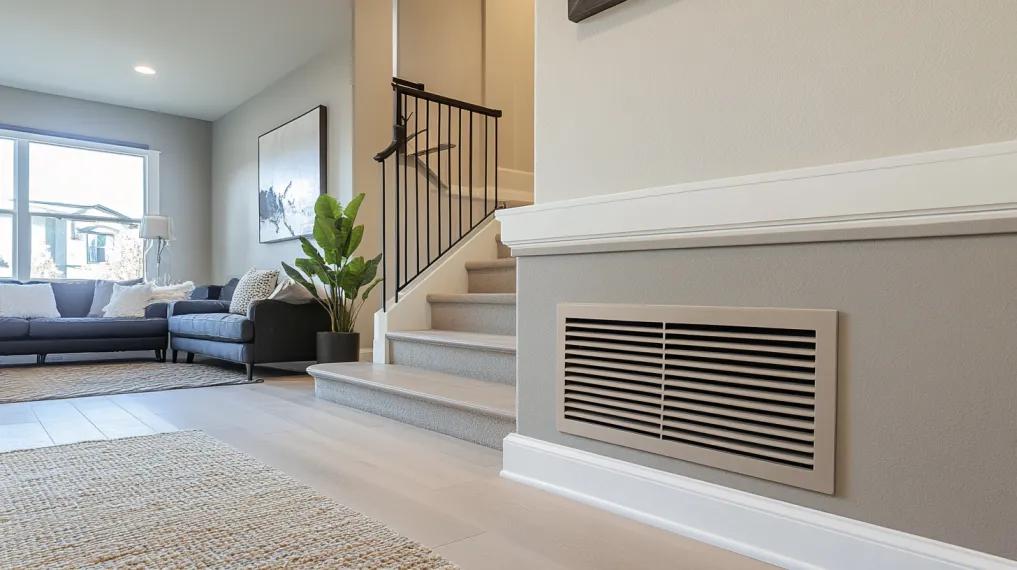
Recognizing the Signs of Duct Leakage
Detecting ventilation loss early can help prevent costly repairs and improve indoor air quality. Some common indicators include:
- Uneven temperatures between rooms or floors
- Noticeable dust buildup near vents
- Higher than expected energy bills
- Weak airflow from registers
- Musty odors or increased allergy symptoms
If you notice any of these issues, a professional duct inspection is recommended. Sealing leaks can restore proper airflow and reduce strain on your HVAC system.
Testing and Identifying Duct Leaks
There are several ways to check for leaks in your ductwork:
- Visual Inspection: Look for disconnected joints, holes, or sections with deteriorated insulation.
- Smoke Test: Professionals may use smoke pencils to detect escaping air around seams and connections.
- Pressure Testing: Specialized equipment can measure how much air is lost from the system, pinpointing problem areas.
Addressing leaks promptly can prevent further air duct leaks and ventilation loss, ensuring your system operates efficiently.
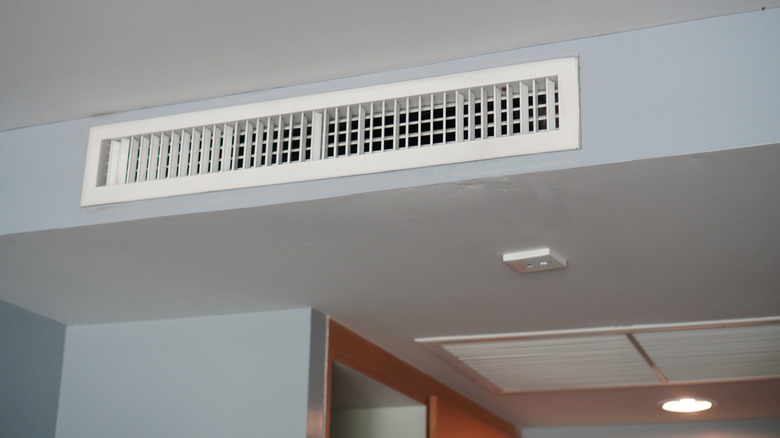
Solutions for Preventing and Fixing Duct Leaks
Preventing ventilation loss begins with proper installation and regular maintenance. Here are some effective strategies:
- Professional Sealing: Use mastic sealant or metal tape (not standard duct tape) to seal all joints and seams.
- Insulation: Insulate ducts in unconditioned spaces like attics or crawl spaces to prevent condensation and energy loss.
- Routine Inspections: Schedule annual checks to catch leaks early and maintain system performance.
- Upgrade Components: Consider replacing old or damaged ductwork with modern, airtight materials.
For more information on optimizing airflow in different parts of your home, you may find our resources on crawl space ventilation best practices and garage ventilation basics helpful.
Broader Implications of Poor Ventilation
The impact of air duct leaks and ventilation loss extends beyond comfort and energy bills. Poor air circulation can contribute to mold growth, increased allergens, and even structural issues from excess moisture. In commercial settings, inadequate ventilation can affect productivity and occupant health.
Understanding the different types of ventilation systems, such as those described in this comprehensive overview of house ventilation systems, can help you make informed decisions about upgrades or repairs.
If you’re looking to improve air quality in specific rooms, our guides on bathroom ventilation fundamentals and kitchen ventilation explained offer practical advice tailored to those spaces.
Frequently Asked Questions
What are the most common signs that my ducts are leaking?
Typical signs include uneven temperatures between rooms, weak airflow from vents, increased dust, higher utility bills, and musty odors. If you notice any of these, it may be time for a duct inspection.
How much energy can be lost due to duct leaks?
In some homes, up to 30% of the air moving through the duct system can be lost because of leaks, holes, or poorly connected ducts. This can significantly increase heating and cooling costs.
Can I seal duct leaks myself, or should I hire a professional?
Small leaks can sometimes be sealed with mastic or metal tape, but a professional assessment is recommended for a thorough job. Experts have the tools to test for leaks and ensure all problem areas are addressed.
How often should ductwork be inspected for leaks?
It’s a good idea to have your ductwork inspected every few years, or sooner if you notice symptoms of ventilation loss. Regular maintenance can help prevent major issues and keep your system running efficiently.

