When it comes to indoor air quality, many people wonder why older homes generally have better indoor air quality than modern weatherized homes. This topic has intrigued homeowners and real estate developers alike. Let’s delve deep into the reasons behind this phenomenon.

Understanding Indoor Air Quality
Indoor air quality, often abbreviated as IAQ, refers to the air quality within and around buildings, especially as it relates to the health and comfort of building occupants. The IAQ is influenced by a variety of factors like ventilation, building materials, and household products.
Importance of Indoor Air Quality
Good indoor air quality is essential for healthy living. Poor air quality can lead to a range of health issues, including respiratory problems, headaches, and allergic reactions.
Factors Affecting Indoor Air Quality
Several factors can affect indoor air quality, such as:
- Ventilation
- Building materials
- Household products
- Mold and mildew

Older Homes vs. Modern Weatherized Homes
The Concept of Ventilation
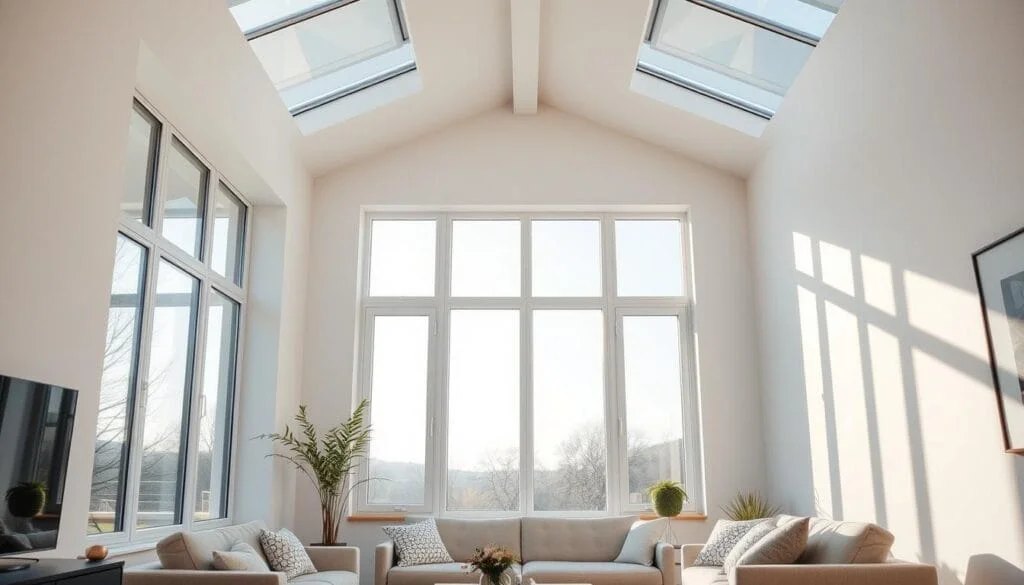
One of the key reasons why older homes generally have better indoor air quality than modern weatherized homes is ventilation. Older homes were constructed with natural ventilation in mind. They often have more windows, vents, and other openings that allow fresh air to circulate freely.
In contrast, modern homes are built to be energy-efficient. They are tightly sealed to prevent heat loss, which unfortunately also means that they have less natural ventilation. This can lead to a buildup of indoor pollutants.
Building Materials
Another factor is the building materials used. Older homes were built using natural materials like wood, stone, and plaster. These materials are less likely to emit harmful chemicals.
Modern homes, on the other hand, often use synthetic materials that can release volatile organic compounds (VOCs). These chemicals can contribute to poor indoor air quality.
Household Products
The use of household products also plays a significant role. Older homes often have fewer new furnishings and synthetic products, which means there are fewer sources of indoor pollutants.
Modern homes typically have more new furniture, carpets, and paints, all of which can emit VOCs and other harmful substances.

How to Improve Indoor Air Quality in Modern Homes
Increase Ventilation
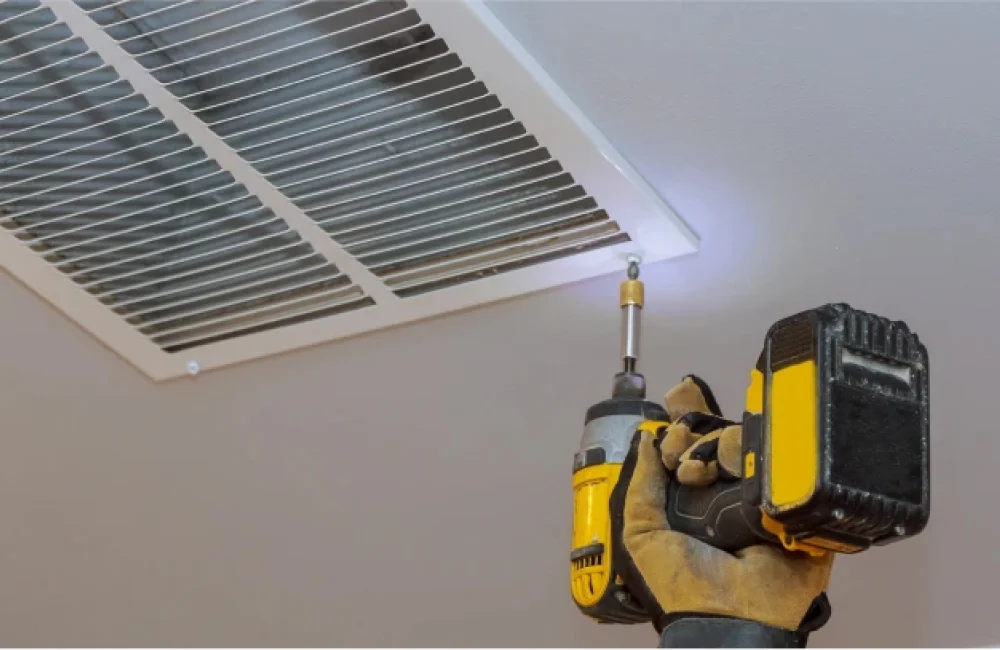
Improving ventilation is one of the most effective ways to enhance indoor air quality in modern homes. This can be achieved by opening windows and doors whenever possible and using exhaust fans in kitchens and bathrooms.
Use Natural Building Materials
Opting for natural building materials can significantly improve indoor air quality. Choose materials like wood, stone, and natural fibers for your home.
Choose Low-VOC Products
Selecting products that have low levels of VOCs can also make a big difference. Look for paints, finishes, and furnishings that are labeled as low-VOC or VOC-free.
Technology and Indoor Air Quality
Air Purifiers
Modern technology offers solutions to improve indoor air quality. Air purifiers can effectively remove pollutants from the air, making it cleaner and healthier to breathe.
Smart Home Systems
Smart home systems can monitor and improve indoor air quality. These systems can detect pollutants and adjust ventilation accordingly.
Benefits of Good Indoor Air Quality
Health Benefits
Maintaining good indoor air quality can lead to numerous health benefits, including reduced respiratory issues, fewer allergic reactions, and overall improved well-being.
Comfort Benefits
Good indoor air quality also enhances comfort. Fresh, clean air can make your home a more pleasant place to live.
FAQs
What are the common indoor air pollutants?
Common indoor air pollutants include VOCs, mold, mildew, dust mites, and pet dander.
How often should I ventilate my home?
You should ventilate your home regularly, at least once a day, to ensure good indoor air quality.
Are air purifiers effective?
Yes, air purifiers are effective in removing many indoor air pollutants, making your indoor environment healthier.
For more information about improving indoor air quality, visit the American Lung Association.
If you’re interested in sustainable building practices, check out our articles on low-impact development and LEED certification tips.
As an Amazon Associate, I earn from qualifying purchases.