
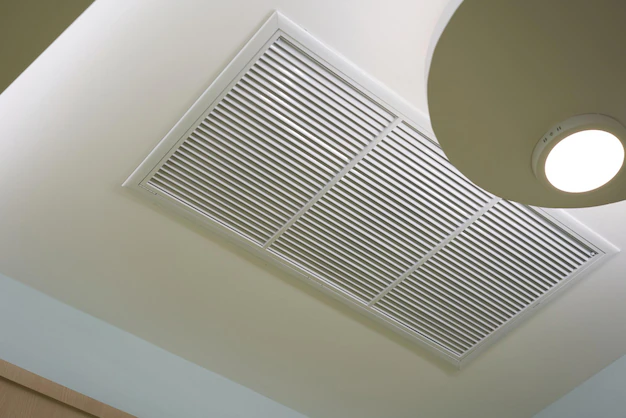

Ensuring proper ventilation for modular homes is essential for maintaining healthy indoor air quality, controlling moisture, and supporting energy efficiency. Modular construction offers unique advantages, but it also presents specific challenges when it comes to airflow and air exchange. Without adequate ventilation, issues such as condensation, mold growth, and stale air can develop, impacting both comfort and the longevity of your home.
This guide explores the fundamentals of air movement in modular residences, highlights the most effective systems and strategies, and provides actionable steps for homeowners and builders. Whether you are planning a new build or upgrading an existing structure, understanding how ventilation works in these homes will help you create a safer, more comfortable environment.
For those interested in the construction phase, it’s worth reviewing ventilation considerations during framing to understand how early planning impacts long-term performance.
Why Airflow Matters in Prefabricated Homes
Modular homes are designed for efficiency, often featuring tight building envelopes to reduce energy loss. While this is beneficial for insulation and utility costs, it can also limit the natural exchange of indoor and outdoor air. Without intentional ventilation, pollutants, allergens, and moisture can accumulate, leading to health risks and structural damage.
- Moisture control: Proper airflow prevents condensation and mold growth.
- Air quality: Ventilation reduces indoor pollutants and odors.
- Comfort: Balanced air movement helps regulate temperature and humidity.
- Energy efficiency: Modern systems can recover heat while exchanging air, lowering costs.
Types of Ventilation Systems for Modular Construction
There are several approaches to managing ventilation for modular homes. The right choice depends on the climate, home size, and specific needs of the occupants. Below are the most common systems used in modular settings.
Natural Ventilation
This method relies on windows, vents, and passive airflow to exchange indoor and outdoor air. While cost-effective, it is less reliable in tightly sealed modular homes and may not provide consistent results, especially in extreme weather.
Mechanical Ventilation
Mechanical systems use fans and ductwork to control air movement. These systems can be tailored to the unique requirements of modular construction and are generally more effective than passive methods.
- Exhaust-only: Removes stale air from specific areas (like bathrooms or kitchens).
- Supply-only: Brings fresh air into the home, often filtered and conditioned.
- Balanced systems: Combine both exhaust and supply for optimal air exchange.
- Heat Recovery Ventilators (HRVs) and Energy Recovery Ventilators (ERVs): Transfer heat (and sometimes moisture) between incoming and outgoing air, improving efficiency.

Key Considerations for Effective Air Exchange
When planning or upgrading airflow systems in modular dwellings, several factors should guide your decisions:
- Building Envelope Tightness: Modern modular homes are often highly sealed. This increases the need for controlled, mechanical ventilation to avoid indoor air stagnation.
- Climate and Location: Humid or cold climates may require specialized systems like HRVs or ERVs to manage moisture and heat loss.
- Room Usage: Kitchens, bathrooms, and laundry rooms generate more moisture and odors, so targeted exhaust fans or spot ventilation are recommended.
- Filtration Needs: Incorporating air filters helps reduce dust, pollen, and other allergens, which is particularly important in tightly built homes.
- Maintenance: Regular cleaning and inspection of fans, ducts, and filters ensure ongoing performance and air quality.
Best Practices for Maintaining Healthy Indoor Air
To maximize the benefits of your ventilation system, consider these practical steps:
- Schedule routine inspections to check for blockages, leaks, or malfunctioning fans.
- Replace or clean air filters as recommended by the manufacturer.
- Monitor humidity levels and use dehumidifiers if necessary to keep indoor moisture in check.
- Use spot ventilation in high-moisture areas to quickly remove humidity and odors.
- Seal gaps and cracks in the building envelope to prevent unwanted air infiltration and loss of conditioned air.
For more details on how insulation impacts airflow, see how insulation affects ventilation.
Integrating Air Movement with Other Home Systems
Ventilation works best when considered alongside other elements of home performance. For example, balancing air sealing and ventilation balance is crucial for energy efficiency and comfort. Similarly, during renovations, it’s important to review ventilation during home renovation to ensure upgrades do not compromise air quality.
For a deeper understanding of how home airflow systems function, you can visit this comprehensive explanation of home ventilation.
Testing and Improving Airflow in Modular Homes
Assessing the effectiveness of your home’s ventilation is a crucial step. Tools like blower door tests can help identify leaks and evaluate the tightness of your building envelope. Learn more by reading blower door test explained.
If you notice persistent humidity, condensation on windows, or musty odors, it may be time to upgrade your system or add supplemental fans and filtration. Consulting with a qualified HVAC professional ensures your setup meets both code requirements and personal comfort needs.
FAQ
What are the signs of poor ventilation in a modular home?
Common indicators include condensation on windows, lingering odors, visible mold or mildew, and a general feeling of stuffiness. These symptoms suggest that air is not being exchanged effectively, which can impact health and comfort.
How often should I maintain my ventilation system?
Filters should be checked and replaced every 3–6 months, while fans and ducts should be inspected at least once a year. Regular maintenance helps prevent blockages and ensures optimal performance.
Can I improve ventilation without major renovations?
Yes, adding exhaust fans in high-moisture areas, using portable air purifiers, and opening windows when weather permits can all help. However, for tightly sealed modular homes, mechanical ventilation is often necessary for consistent results.

