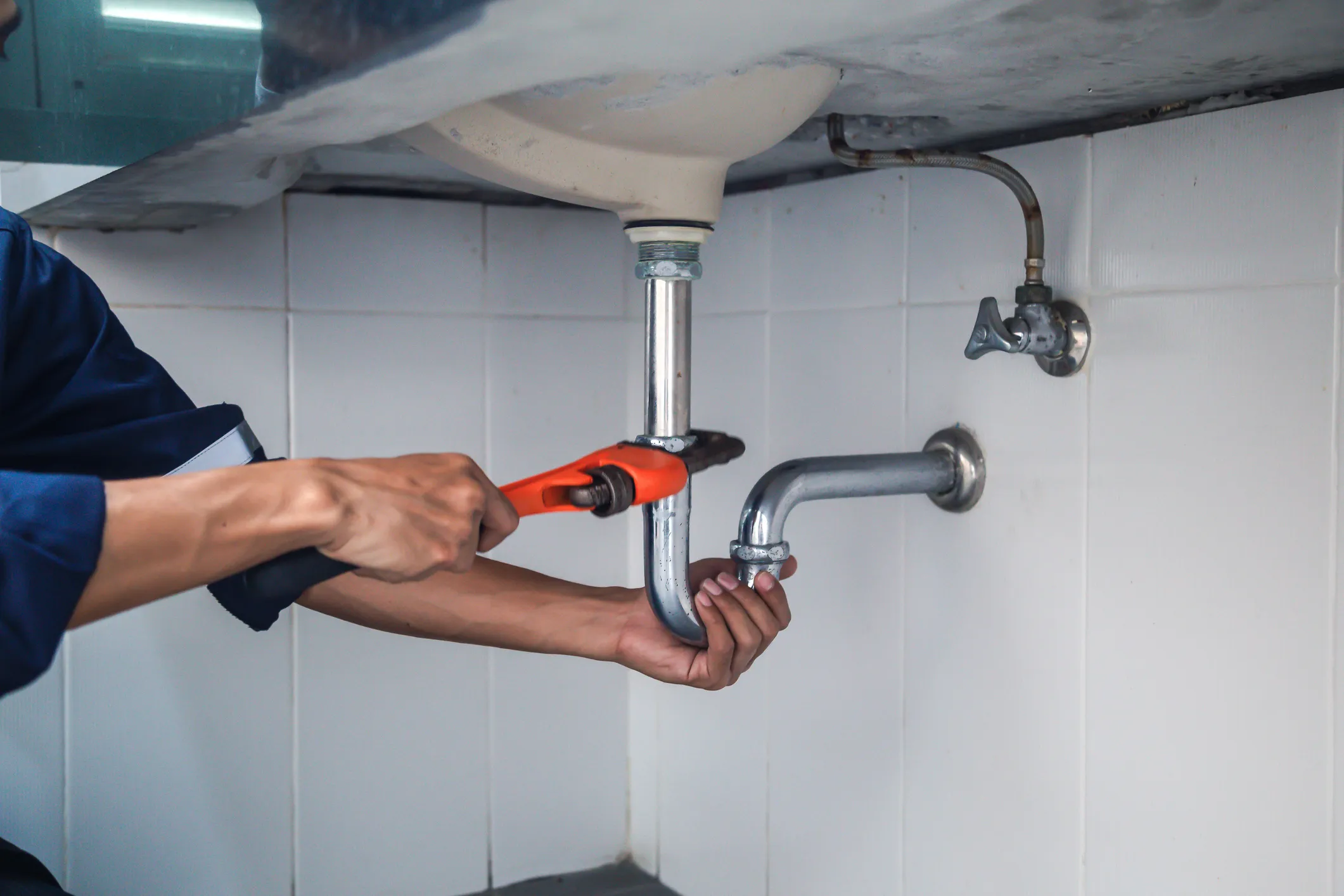
The plumbing code for new construction is an essential aspect of building projects that ensures safety, efficiency, and compliance with local regulations. Understanding these codes can be a daunting task, especially for homeowners and real estate developers who are new to the construction industry. However, having a firm grasp of plumbing codes is crucial for the successful completion of any construction project.
In this article, we will delve into the intricacies of the plumbing code for new construction and explore its significance. Whether you are building a new home or a commercial property, adhering to these codes is vital for ensuring the safety and functionality of your plumbing systems.
What is Plumbing Code?
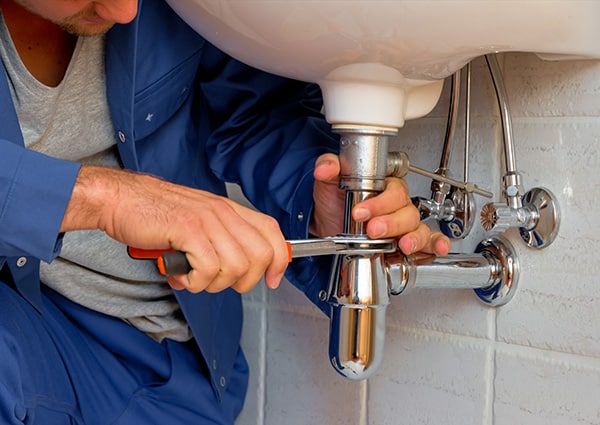
Plumbing codes are a set of regulations and standards that govern the installation and maintenance of plumbing systems in buildings. These codes are established by local authorities to ensure that plumbing systems are safe, efficient, and environmentally friendly. They cover a wide range of aspects, including the design, installation, and maintenance of plumbing fixtures, pipes, and drainage systems.
Why is Plumbing Code Important?
Adhering to the plumbing code for new construction is crucial for several reasons. Firstly, it ensures the safety of the building’s occupants by preventing potential hazards such as leaks, water contamination, and structural damage. Secondly, it promotes efficiency by ensuring that plumbing systems are designed to conserve water and energy. Lastly, compliance with plumbing codes is a legal requirement, and failure to meet these regulations can result in fines and delays in obtaining necessary permits.
Key Components of Plumbing Code
The plumbing code for new construction encompasses various components that are essential for ensuring the safety and functionality of plumbing systems. Some of the key components include:
- Pipe Sizing: Proper pipe sizing is crucial for ensuring adequate water flow and preventing pressure issues.
- Ventilation: Adequate ventilation is necessary to prevent the buildup of harmful gases and odors in plumbing systems.
- Drainage: Proper drainage systems are essential for preventing waterlogging and structural damage.
- Fixtures: Plumbing codes specify the types and installation methods for plumbing fixtures to ensure functionality and safety.
Steps to Comply with Plumbing Code
Complying with the plumbing code for new construction involves several steps. Here are some essential steps to ensure compliance:
1. Research Local Regulations
Before starting any construction project, it is essential to research and understand the local plumbing codes and regulations. Each jurisdiction may have specific requirements that must be met.
2. Hire a Qualified Plumber
Working with a qualified and experienced plumber is crucial for ensuring that your plumbing systems are installed correctly and comply with the relevant codes. A professional plumber will have the expertise to navigate the complexities of plumbing codes and regulations.
3. Obtain Necessary Permits
Before commencing any plumbing work, it is essential to obtain the necessary permits from the local authorities. This ensures that the work is inspected and approved, and it helps avoid potential legal issues.
4. Plan and Design the Plumbing System
Proper planning and design of the plumbing system are essential for ensuring compliance with plumbing codes. This includes selecting the right materials, determining the appropriate pipe sizes, and ensuring adequate ventilation and drainage.
Common Plumbing Code Violations and How to Avoid Them
Despite the importance of adhering to plumbing codes, violations are common in new construction projects. Here are some common violations and tips on how to avoid them:
1. Improper Pipe Sizing
Using pipes that are too small or too large can lead to pressure issues and inefficiencies. To avoid this, ensure that you select the appropriate pipe sizes based on the plumbing code requirements.
2. Inadequate Ventilation
Failing to provide adequate ventilation can lead to the buildup of harmful gases and odors. Ensure that your plumbing system includes proper venting to prevent this issue.
3. Incorrect Fixture Installation
Improper installation of fixtures can result in leaks and water damage. Ensure that all fixtures are installed according to the manufacturer’s instructions and comply with plumbing code requirements.
Benefits of Adhering to Plumbing Code
Adhering to the plumbing code for new construction offers several benefits, including:
- Safety: Ensures the safety of building occupants by preventing potential hazards.
- Efficiency: Promotes the efficient use of water and energy, reducing utility costs.
- Legal Compliance: Ensures compliance with local regulations, preventing legal issues and fines.
The Role of Plumbing Inspections
Plumbing inspections play a crucial role in ensuring compliance with plumbing codes. These inspections are conducted by local authorities to verify that plumbing systems are installed correctly and meet all relevant regulations. Regular inspections help identify potential issues early, preventing costly repairs and ensuring the safety of building occupants.
Future Trends in Plumbing Code
The plumbing code for new construction is continuously evolving to address new challenges and advancements in the industry. Some future trends in plumbing code include:
- Green Plumbing: Emphasis on environmentally friendly practices, such as water conservation and energy efficiency.
- Smart Plumbing: Integration of smart technology to monitor and control plumbing systems remotely.
- Resilience: Focus on creating plumbing systems that can withstand natural disasters and other emergencies.
For more information on how much plumbing costs for a new home build, visit Buildi.
Conclusion
Understanding and adhering to the plumbing code for new construction is essential for the successful completion of any building project. By following the guidelines outlined in this article, homeowners and developers can ensure that their plumbing systems are safe, efficient, and compliant with local regulations. For more insights and tips on plumbing for new constructions, visit DIY Plumbing.
FAQs
1. What is the importance of plumbing code compliance?
Compliance with plumbing codes ensures safety, efficiency, and legal adherence, preventing potential hazards and legal issues.
2. How can I ensure my plumbing system complies with the code?
Hire a qualified plumber, obtain necessary permits, and conduct regular inspections to ensure compliance with plumbing codes.
3. What are the common plumbing code violations?
Common violations include improper pipe sizing, inadequate ventilation, and incorrect fixture installation. Avoid these by following code requirements and manufacturer instructions.
This article contains affiliate links. We may earn a commission at no extra cost to you.