
Understanding the efficiency of a building’s thermal envelope is crucial for energy conservation. This guide will provide insights into the process of thermal envelope testing and its importance in building construction and design.
For a deeper understanding of the topic, you might want to explore airtight installation techniques which play a significant role in the thermal performance of a building.
Understanding the Thermal Envelope
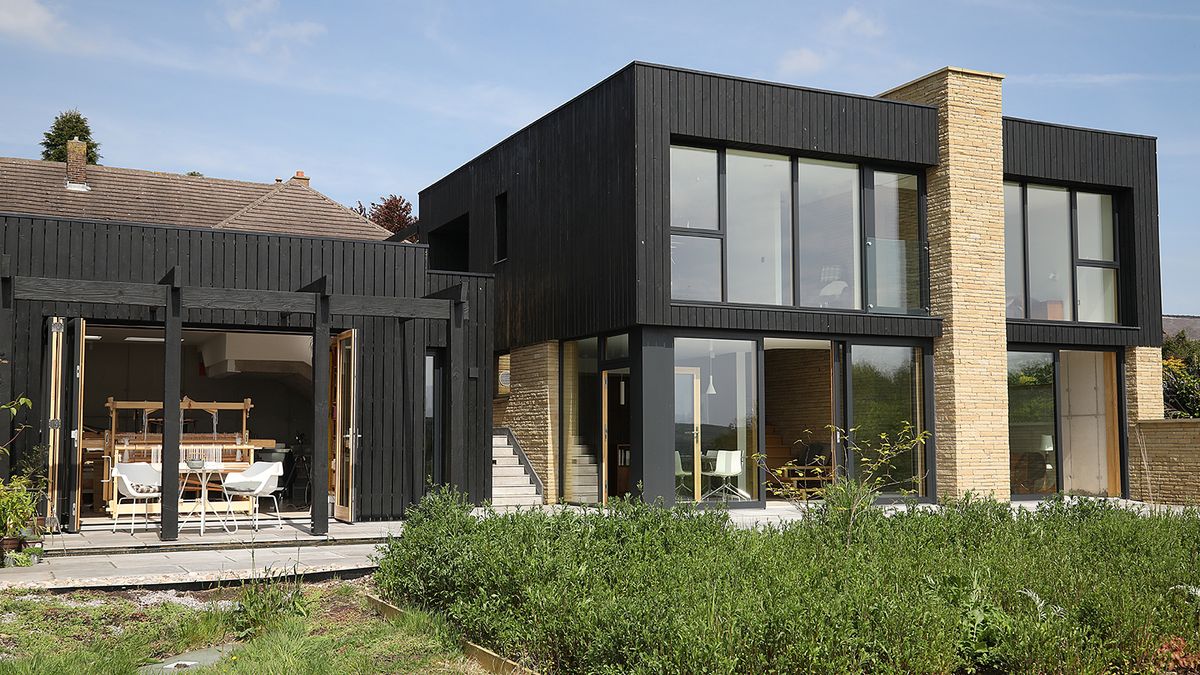
The thermal envelope of a building is the physical barrier between the conditioned (heated or cooled) and unconditioned environment. It includes the walls, roof, windows, doors, and floor of a building. The performance of this envelope is critical in determining how much energy is required to maintain comfortable conditions inside the building.
Importance of Testing the Thermal Envelope
Testing the thermal envelope allows us to identify any weak points in the barrier where heat might be escaping or cold air might be entering. By addressing these issues, we can significantly improve the energy efficiency of a building, leading to lower energy costs and a more comfortable living or working environment.
How is Thermal Envelope Testing Conducted?
There are several methods used to test the thermal envelope of a building. These can include infrared thermography, blower door tests, and more. The chosen method will depend on the specific requirements of the building and the goals of the test.

For more information on the benefits of a well-designed thermal envelope, you can visit this descriptive anchor text.
Conclusion
Thermal envelope testing is a critical aspect of building design and construction. It allows us to ensure that buildings are energy efficient and comfortable for occupants. By understanding and implementing these tests, we can create buildings that are not only more cost-effective but also more sustainable.
To record the results of your thermal envelope testing, you might want to consider using a record results using cam. And to stay comfortable without relying on traditional HVAC systems, check out these stay comfortable without hvac options.