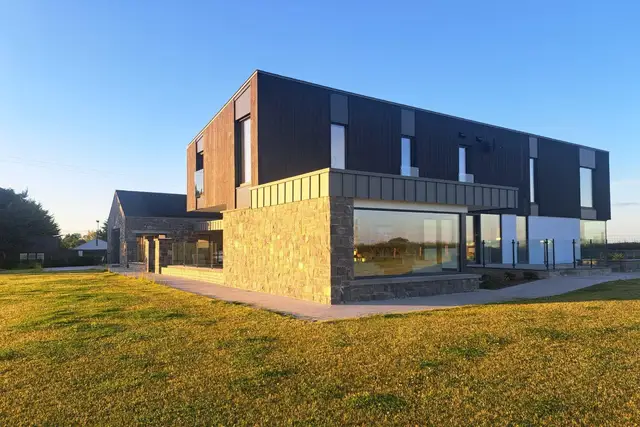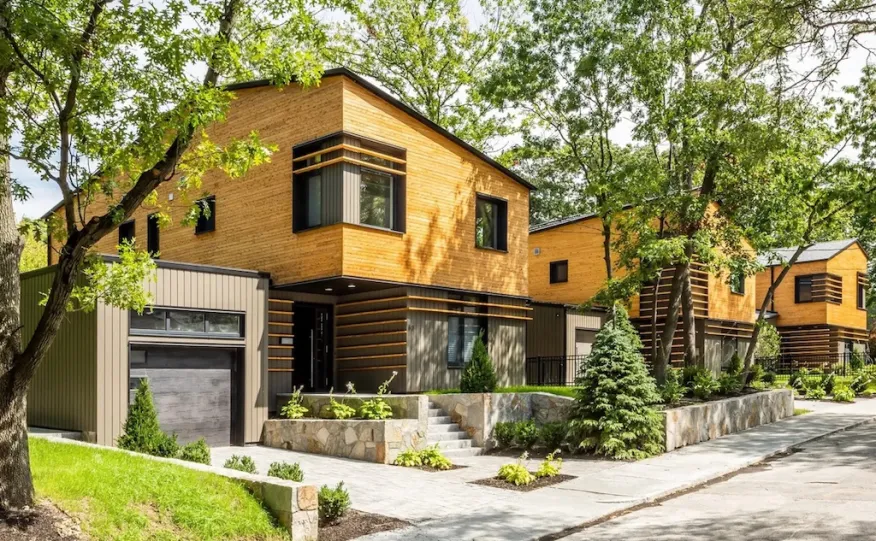

When it comes to energy efficiency in buildings, one of the key aspects to consider is thermal bridging. This phenomenon can lead to significant heat loss, undermining the effectiveness of insulation and increasing energy costs. In this guide, we’ll delve into the concept of thermal bridging and discuss effective strategies for its prevention.
Understanding how thermal bridges form and how they can be mitigated is crucial in the design and construction of energy-efficient buildings. For more information on this topic, you may want to read our article on understanding passive house standards.
Understanding Thermal Bridging
A thermal bridge, also known as a cold bridge, is a point in a building’s envelope where the otherwise continuous thermal barrier is interrupted. The interruption can be caused by a gap in the insulation or by a material with a higher thermal conductivity than the surrounding materials.
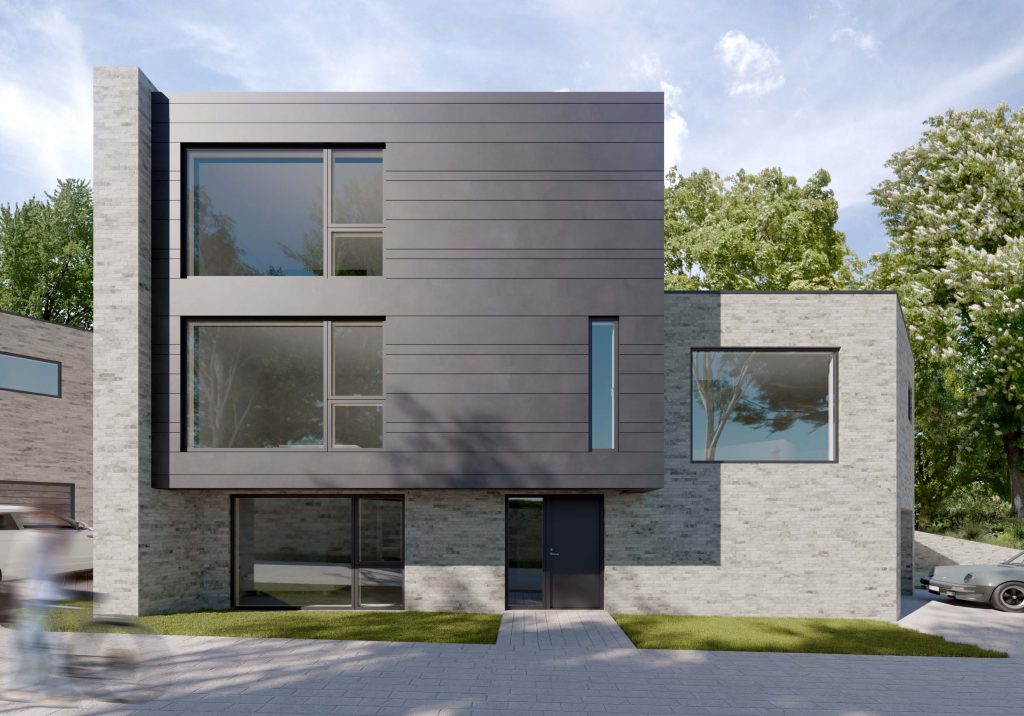
Strategies for Preventing Thermal Bridges
Preventing thermal bridges involves careful design and construction practices. Here are some strategies that can be implemented:
- Continuous Insulation: This involves wrapping the building envelope in a continuous layer of insulation, thereby reducing the chance of thermal bridges.
- Thermal Breaks: These are materials with low thermal conductivity that are inserted in the building envelope to reduce or prevent thermal bridging.
- Minimizing Structural Elements: By reducing the number of structural elements that penetrate the building envelope, you can reduce the potential for thermal bridges.
Importance of Thermal Bridge Prevention
Preventing thermal bridges is crucial for several reasons. It enhances the energy efficiency of buildings, reduces energy costs, and improves indoor thermal comfort. It also helps in reducing condensation issues that can lead to mold growth and structural damage. For an in-depth understanding of energy-efficient buildings, you can visit this descriptive anchor text.

Conclusion
Thermal bridge prevention is a key factor in creating energy-efficient buildings. By understanding and implementing the strategies mentioned above, you can significantly reduce heat loss, save on energy costs, and create a more comfortable indoor environment. To further enhance your building’s energy efficiency, consider options to install solar camera nearby and eliminate power loss points.