
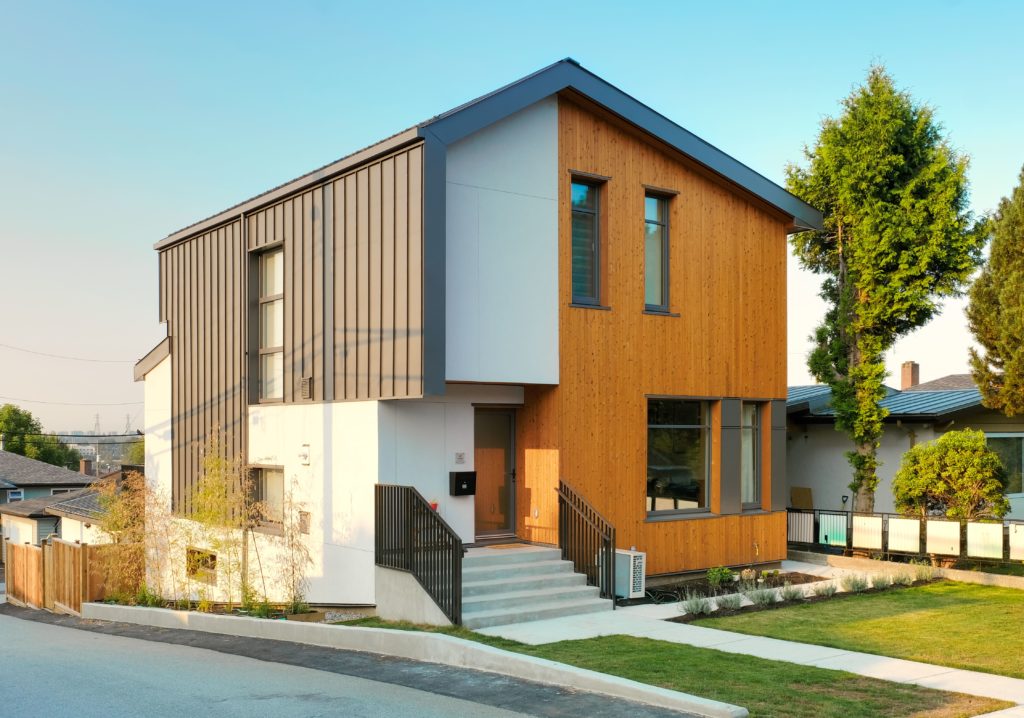

Designing eco-friendly structures for cold environments presents unique challenges. However, with the right approach, it’s possible to create buildings that are not only sustainable but also comfortable and energy-efficient. In this guide, we’ll explore the principles and techniques that underpin this fascinating area of architecture.
The key to successful eco-friendly construction in frigid climates is understanding the importance of thermal continuity. This principle ensures that the building envelope is sealed against cold air infiltration, thereby reducing energy consumption and improving comfort.
Designing for Energy Efficiency
One of the primary goals of sustainable architecture in cold climates is to maximize energy efficiency. This involves careful consideration of building orientation, insulation, and airtightness. The use of passive solar design techniques can also significantly reduce the need for artificial heating.
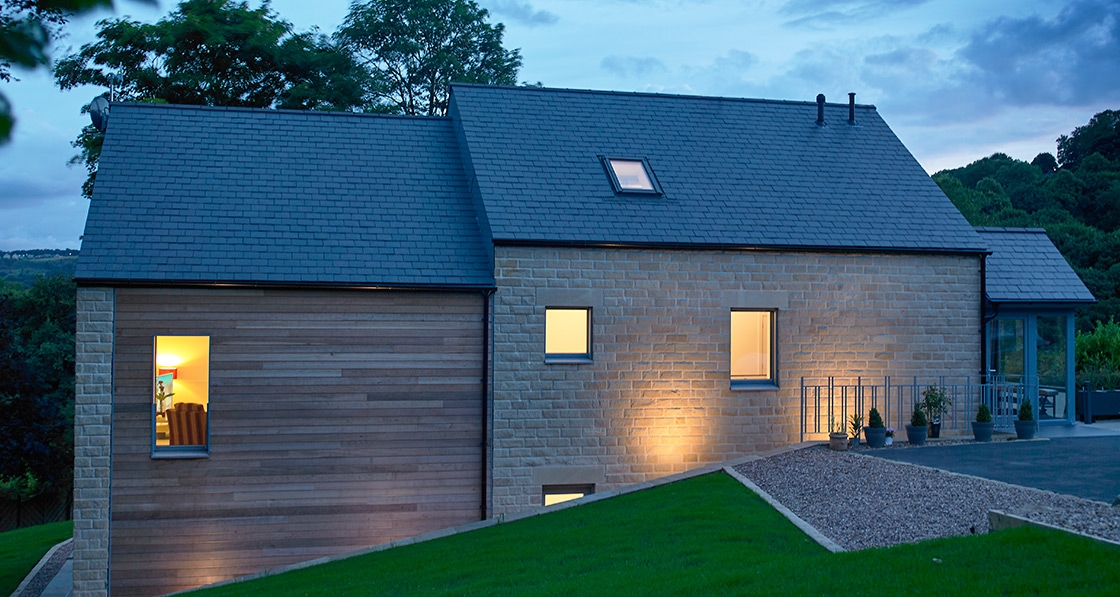
Materials and Construction Techniques
Choosing the right materials and construction techniques is crucial for sustainable architecture in cold climates. Insulated concrete forms (ICFs), structural insulated panels (SIPs), and other high-performance building materials can significantly improve thermal performance. Additionally, airtight construction details can help to eliminate drafts and reduce heat loss.
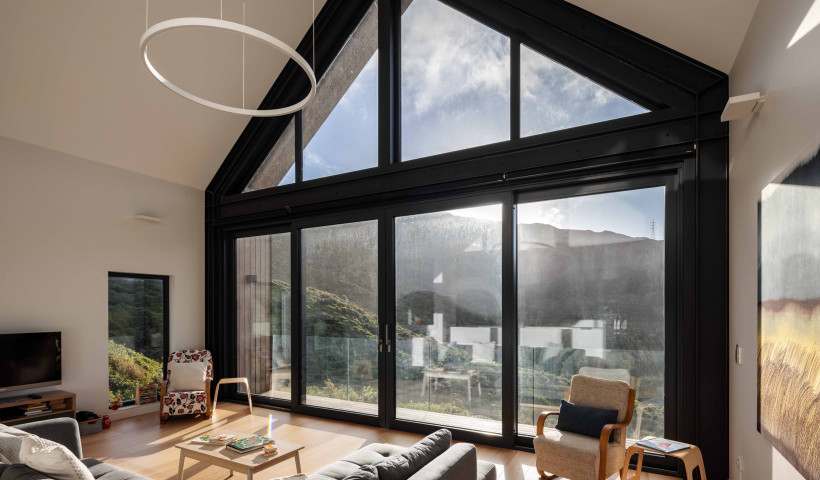
Adapting to Climate Change
As climate change continues to alter weather patterns, it’s becoming increasingly important to design buildings that can adapt to changing conditions. This includes not only designing for energy efficiency but also considering factors such as snow load, wind resistance, and the potential for flooding. A comprehensive design checklist can be a valuable tool in this process.
By implementing these principles and techniques, it’s possible to create sustainable architecture that is not only energy-efficient but also comfortable and resilient. Whether you’re designing a new building or renovating an existing one, these strategies can help you achieve your sustainability goals.
To get started, you might want to use a frost-resistant solar unit or stay warm with solar storage.

