
Proper attic ventilation is a crucial aspect of home construction and maintenance, yet it’s often overlooked until problems arise. One of the most effective ways to ensure healthy airflow in your attic space is through the use of soffit vents. These components play a vital role in regulating temperature, reducing moisture buildup, and extending the life of your roof. In this guide, we’ll break down how these vents work, why they matter, and how to select and maintain them for optimal home performance.
Understanding the basics of attic airflow can help prevent issues like mold, ice dams, and premature shingle deterioration. If you’re planning a renovation or building a new home, considering ventilation early on is essential. For more insights on this topic, check out our resource on ventilation considerations during framing.
What Are Soffit Vents and How Do They Work?
Soffit vents are intake ventilation devices installed under the eaves of a roof, typically in the horizontal underside known as the soffit. Their main function is to allow fresh, outside air to enter the attic, creating a continuous flow that pushes hot, moist air out through higher exhaust vents such as ridge or gable vents.
This natural airflow, known as the “stack effect,” helps regulate attic temperature and humidity. Without adequate intake, attic ventilation systems cannot function efficiently, leading to heat buildup in summer and condensation in winter. By installing soffit vents, you create a balanced system that supports the health of your entire roofing structure.
Types of Soffit Vents
There are several styles of soffit vents, each suited to different architectural needs and preferences. The most common types include:
- Continuous strip vents: Long, narrow vents that run the length of the soffit, providing uniform airflow.
- Individual (rectangular or circular) vents: Discrete units spaced at intervals along the soffit.
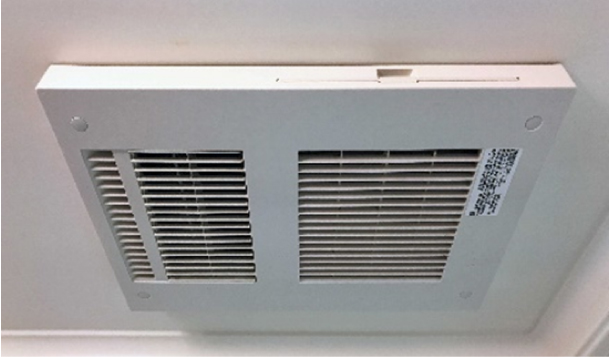
- Perforated soffit panels: Soffit boards with built-in perforations, often used in vinyl or aluminum installations.
The choice depends on your home’s design, the amount of intake needed, and aesthetic considerations. Always ensure that the total net free area of intake vents matches or exceeds that of exhaust vents for balanced ventilation.
Benefits of Proper Soffit Ventilation
Installing and maintaining effective soffit vents offers several important advantages for homeowners:
- Prevents moisture buildup: Reduces the risk of mold, mildew, and rot in attic insulation and framing.
- Improves energy efficiency: Helps keep attic temperatures lower in summer, reducing cooling costs.
- Extends roof lifespan: Minimizes heat and moisture damage to shingles and roof decking.
- Reduces ice dams: Maintains a cold roof deck in winter, preventing snow from melting and refreezing at the eaves.
- Supports indoor air quality: Promotes healthy airflow, which can benefit the entire home environment.
For a deeper dive into how insulation interacts with airflow, see our article on how insulation affects ventilation.
Installation Tips and Best Practices
Whether you’re retrofitting an older home or working on new construction, proper installation of soffit vents is essential for maximizing their effectiveness. Here are some practical guidelines:
- Calculate required vent area: Building codes typically recommend 1 square foot of ventilation (intake plus exhaust) per 150 square feet of attic floor space. Always check local requirements.
- Ensure unobstructed airflow: Insulation should not block the vents. Use baffles or rafter vents to keep pathways clear from soffit to ridge.
- Balance intake and exhaust: Intake vents (soffit) should equal or slightly exceed exhaust vents (ridge, gable, or roof vents) to maintain a balanced system.
- Use corrosion-resistant materials: Choose aluminum or vinyl vents for durability and low maintenance.
- Inspect regularly: Check for debris, bird nests, or paint that might block vent openings.
If you’re unsure about attic airflow or want to assess your home’s ventilation performance, consider learning about the blower door test explained for a more scientific approach.
Common Problems and Troubleshooting
Even with the best intentions, attic ventilation systems can run into issues. Here are some frequent challenges and how to address them:
- Blocked vents: Paint, insulation, or debris can clog vent openings. Inspect and clean vents regularly to maintain airflow.
- Unbalanced system: Too much exhaust without enough intake can draw conditioned air from living spaces, increasing energy costs. Always match intake and exhaust areas.
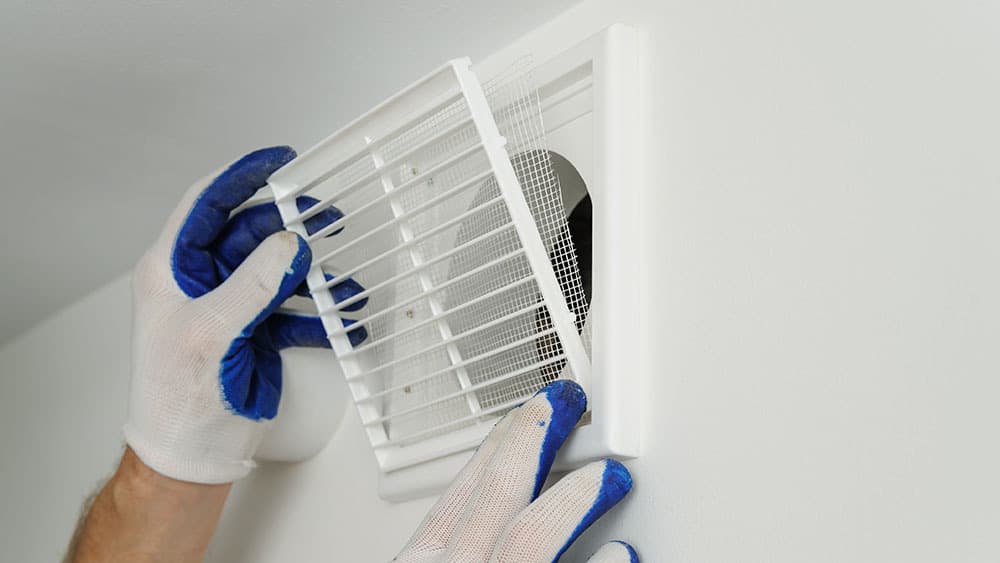
- Pest intrusion: Birds, insects, or rodents may enter through unprotected vents. Install screens or grilles to deter unwanted guests.
- Moisture stains or mold: Signs of condensation or mold in the attic may indicate inadequate ventilation or blocked airflow paths.
Addressing these issues promptly helps maintain the effectiveness of your attic ventilation and protects your home from costly damage. For more on maintaining a healthy balance, see our guide on air sealing and ventilation balance.
Integrating Soffit Vents with Other Ventilation Solutions
While soffit vents are a key part of a well-ventilated attic, they work best when combined with other components. Ridge vents, gable vents, and powered exhaust fans can all contribute to a more effective system. The goal is to create a continuous flow of air from the lowest point (soffit) to the highest (ridge or roof vents).
For homes with complex rooflines or special requirements, consulting a professional or referencing resources like this overview of home ventilation systems can provide valuable guidance.
If you’re planning major renovations, our article on ventilation during home renovation covers additional considerations for keeping your home comfortable and efficient.
Frequently Asked Questions
How many soffit vents do I need for my attic?
The number of vents required depends on your attic’s square footage and the type of vents you choose. As a general rule, you need 1 square foot of ventilation (split between intake and exhaust) for every 150 square feet of attic floor space. Always check local building codes and manufacturer recommendations.
Can I install soffit vents myself, or should I hire a professional?
Many homeowners can install individual or strip vents with basic tools, but it’s important to avoid damaging existing soffits or blocking airflow with insulation. For complex installations or if you’re unsure, hiring a professional ensures proper placement and compliance with building codes.
What maintenance do soffit vents require?
Regularly inspect vents for blockages from paint, insulation, or debris. Clean them as needed and check for signs of pest intrusion. Ensuring vents remain open and unobstructed will keep your attic ventilation system working efficiently.