


Understanding the slope requirements for drain pipes is crucial for both homeowners and real estate developers. Proper installation ensures efficient drainage and prevents potential plumbing problems. The right slope helps in the smooth flow of water and waste, avoiding blockages and system failures. This article will guide you through the essential aspects of drain pipe slopes, providing insights that will help you in any plumbing project.
What is the Importance of Proper Drain Pipe Slope?
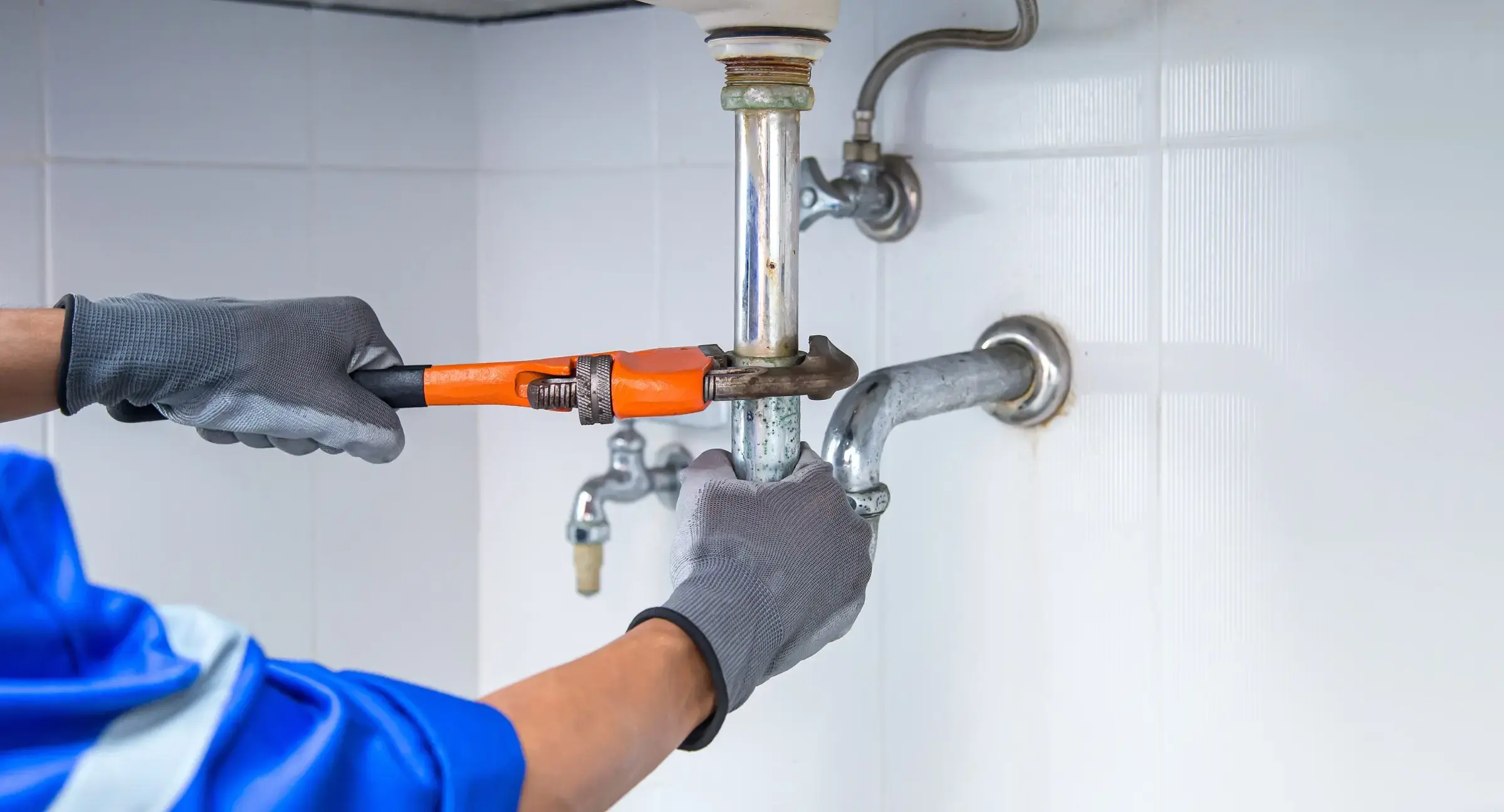
The slope of a drain pipe, often referred to as the pipe’s pitch, is vital for maintaining a healthy plumbing system. A proper slope ensures that gravity effectively carries wastewater away from the home and into the sewer or septic system. Incorrect slopes can lead to standing water, which may cause unpleasant odors, pipe corrosion, and even damage to your property. For homeowners and real estate developers, understanding these requirements is key to ensuring the longevity and efficiency of plumbing systems.
How to Determine the Right Slope for Drain Pipes?
The slope requirements for drain pipes generally follow a standard guideline, which is a 1/4 inch drop per foot of pipe. This measurement ensures that water flows smoothly without pooling or causing backflow. However, some situations may require adjustments based on the pipe size or local plumbing codes. It’s essential to consult with a professional plumber or refer to local regulations to determine the exact requirements for your specific project.
Factors Influencing Drain Pipe Slope
- Pipe Size: Larger pipes may require different slope calculations than smaller ones.
- Type of Waste: Solid waste requires a steeper slope to ensure proper movement through the pipes.
- Local Building Codes: Different regions may have specific codes that dictate slope requirements.
Common Mistakes in Drain Pipe Installation
Proper installation of drain pipes is essential. Here are some common mistakes to avoid:
Incorrect Slope
One of the most frequent errors is installing pipes with an incorrect slope. Too steep a slope can cause water to flow too quickly, leaving solid waste behind, while a slope that’s too shallow might not allow water to flow efficiently. Both situations can lead to clogs and damage over time.
Ignoring Local Plumbing Codes
Not adhering to local plumbing codes is a mistake that can result in costly fines and the need for repairs. Always check with local authorities or a professional plumber to ensure compliance.
Tools Needed for Checking Pipe Slope
Having the right tools can make checking and adjusting your pipe slope much easier. Here are a few tools that can help:
- Level: A level will help you measure the slope accurately.
- Tape Measure: Use it to ensure the correct distance and drop between pipe sections.
- String Line: A string line can provide a visual guide for maintaining a consistent slope.
Steps to Ensure Proper Drain Pipe Slope
Follow these steps to ensure your drain pipes are correctly sloped:
- Measure the distance the pipe needs to cover.
- Calculate the required drop using the standard 1/4 inch per foot guideline.
- Use a level and string line to mark the slope along the pipe’s path.
- Install the pipe, checking for level and slope at each connection point.
Why Professional Installation Matters
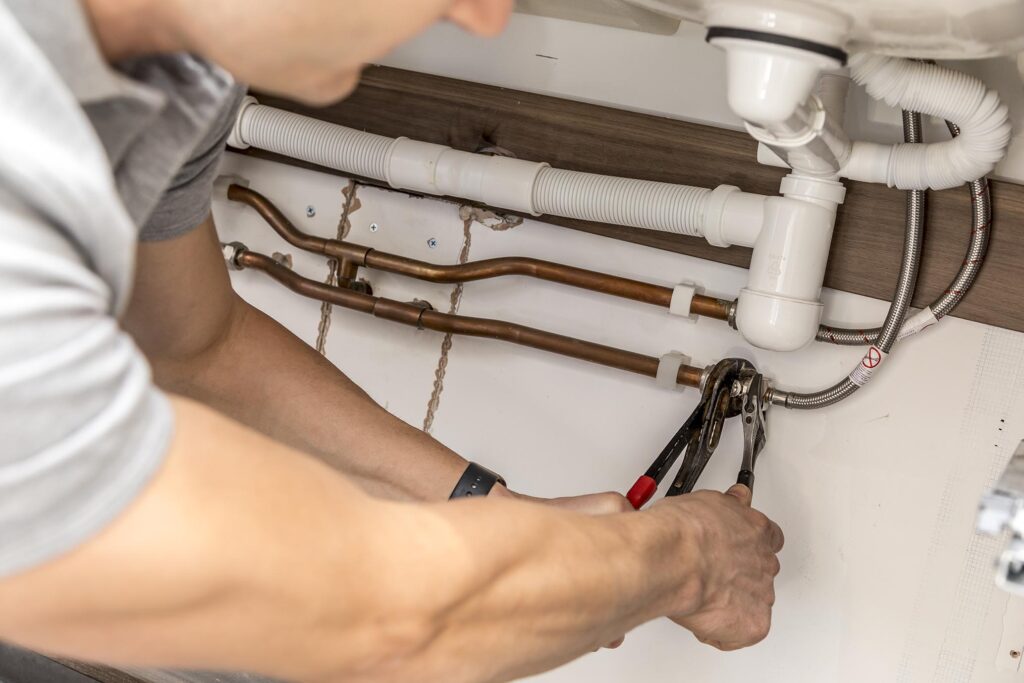
While DIY projects can be rewarding, hiring a professional for drain pipe installation ensures the job is done correctly. Professionals have the experience and tools necessary to avoid common pitfalls and guarantee compliance with local codes. For more on plumbing basics, you can check out this guide on plumbing basics.
Maintaining Proper Drain Pipe Slope
Once installed, maintaining the slope is crucial for long-term functionality. Regular inspections can help identify any shifts or damages that may alter the pipe’s slope. Consider setting a maintenance schedule or hiring a professional for routine checks. For additional plumbing maintenance tips, you can visit this comprehensive guide.
Conclusion: Key Takeaways
Understanding and implementing the correct slope requirements for drain pipes is essential for ensuring efficient and long-lasting plumbing systems. Whether you’re a homeowner tackling a DIY project or a developer managing large-scale installations, keeping these guidelines in mind will help you avoid common pitfalls and maintain the health of your plumbing system.
FAQs
Q1: What happens if the drain pipe slope is too steep?
A1: If the slope is too steep, water may flow too quickly, leaving solid waste behind, which can lead to blockages.
Q2: Can I adjust the slope of existing drain pipes?
A2: Yes, but it can be a complex process that might require professional assistance to ensure proper alignment and compliance with local codes.
Q3: How often should I check the slope of my drain pipes?
A3: It’s advisable to check the slope of your drain pipes annually or whenever you notice drainage issues. Regular maintenance can prevent costly repairs.
For more insights on plumbing systems, you might find this page on water supply lines informative. Additionally, understanding the differences between septic systems and sewer connections can further enhance your plumbing knowledge.
This article contains affiliate links. We may earn a commission at no extra cost to you.


