Understanding plumbing traps and vents is crucial for every homeowner and real estate developer. These components play a vital role in maintaining a safe and efficient plumbing system. By preventing sewer gases from entering your home and ensuring proper waste flow, they keep your living environment healthy and comfortable. In this article, we will delve into the details of plumbing traps and vents, providing you with the knowledge you need to ensure your plumbing system functions optimally.
What Are Plumbing Traps?
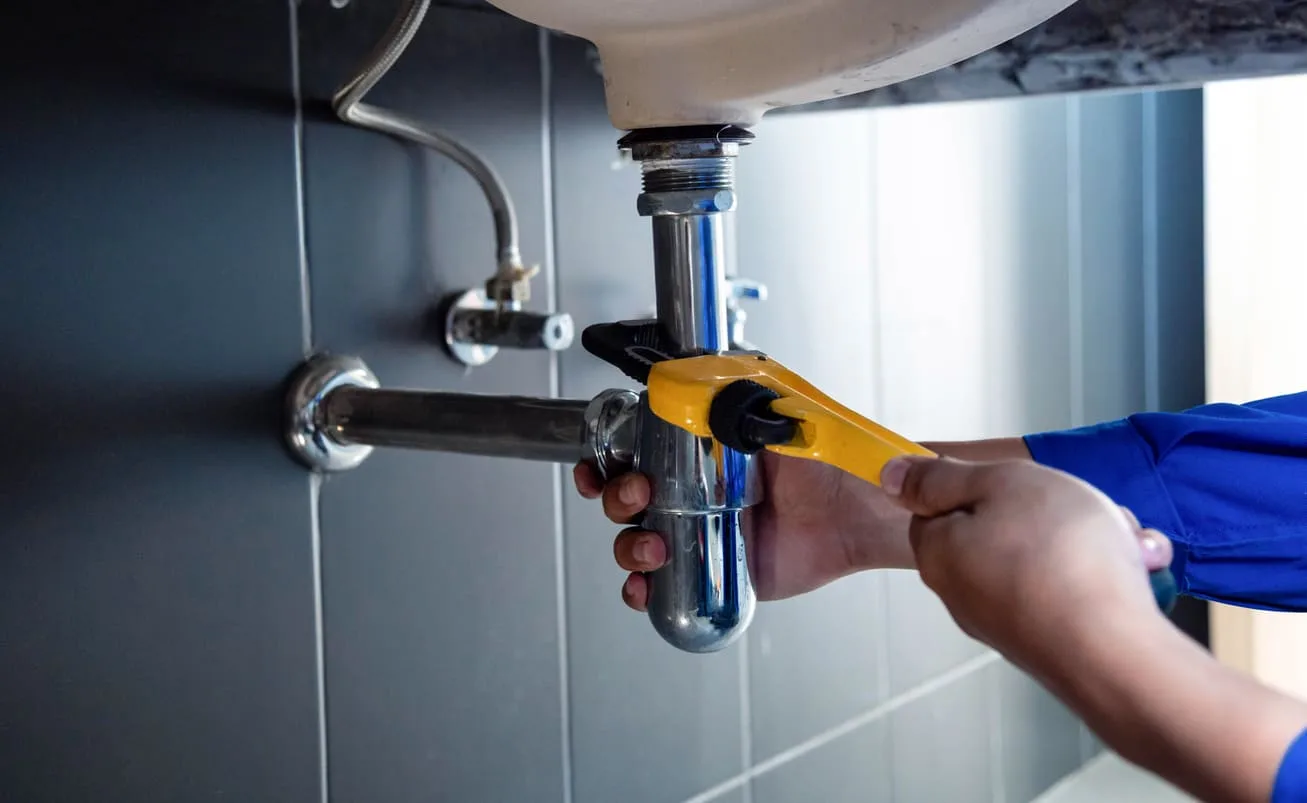
Plumbing traps are devices designed to trap water, creating a barrier that prevents sewer gases from entering the building through the drain pipes. These traps are typically U-shaped, and they are installed under sinks, bathtubs, and other fixtures. The trapped water acts as a seal, blocking foul odors and hazardous gases from escaping into your home.
Types of Plumbing Traps
There are various types of plumbing traps, each serving a specific purpose:
- P-Trap: The most common type, found under sinks and other fixtures.
- S-Trap: Used in older homes, but not recommended for new installations.
- Drum Trap: Often found in bathtub drains, these traps require more maintenance.
The Importance of Plumbing Vents
Plumbing vents are an essential part of your plumbing system. They allow air to enter the pipes, which helps maintain proper pressure and facilitates the smooth flow of wastewater. Without adequate venting, your drains could become sluggish, and you might experience unpleasant odors or even sewer gas leaks.
Types of Plumbing Vents
Plumbing vents come in several varieties:
- Main Vent: The primary vent that runs to the roof, releasing gases safely.
- Auxiliary Vent: Used to provide additional ventilation for specific fixtures.
- Air Admittance Valve (AAV): A one-way valve that allows air into the system without letting gases escape.
How Traps and Vents Work Together
The synergy between traps and vents is essential for a well-functioning plumbing system. Traps block sewer gases, while vents ensure the smooth flow of wastewater by maintaining proper air pressure. Together, they prevent issues like slow drains, gurgling sounds, and foul odors.
Common Plumbing Problems and Solutions
Despite their importance, plumbing traps and vents can sometimes encounter problems. Here are some common issues and solutions:
- Clogged Traps: Regular cleaning and maintenance can prevent clogs in your traps.
- Blocked Vents: Ensure vents are clear of debris and properly installed to avoid blockages.
- Dry Traps: Pour water into unused fixtures periodically to maintain the water seal.
Preventative Maintenance Tips
To keep your plumbing system in top shape, consider these maintenance tips:
- Inspect traps and vents regularly for signs of damage or blockages.
- Schedule annual plumbing check-ups with a professional.
- Be mindful of what you flush or pour down your drains.
Plumbing Traps and Vents: Installation Best Practices
When installing or renovating your plumbing system, it’s crucial to follow best practices for traps and vents:
- Ensure traps are installed correctly, with the proper slope for drainage.
- Vent pipes should be of adequate size and extend above the roofline.
- Consult local building codes to ensure compliance with regulations.
The Cost of Plumbing for New Homes
When building or renovating a home, understanding the cost of plumbing is essential. For more information on plumbing costs, you can refer to this external guide.
Eco-Friendly Plumbing Solutions
Consider eco-friendly plumbing fixtures and practices to reduce your environmental impact. Learn more about eco-friendly fixtures to make your home more sustainable.
Conclusion
Understanding plumbing traps and vents is essential for maintaining a safe and efficient plumbing system in your home. By knowing how they work and following best practices, you can prevent common plumbing problems and ensure your home remains a comfortable and healthy environment.
FAQs
What is the purpose of a plumbing trap?
Plumbing traps prevent sewer gases from entering your home by creating a water barrier in the drain pipes.
How often should I check my plumbing vents?
It’s a good idea to inspect your plumbing vents annually to ensure they are clear of debris and functioning properly.
Can I install plumbing traps and vents myself?
While some homeowners may feel comfortable with basic plumbing tasks, it’s recommended to consult a professional for installing or modifying traps and vents to ensure compliance with local codes and regulations.
This article contains affiliate links. We may earn a commission at no extra cost to you.