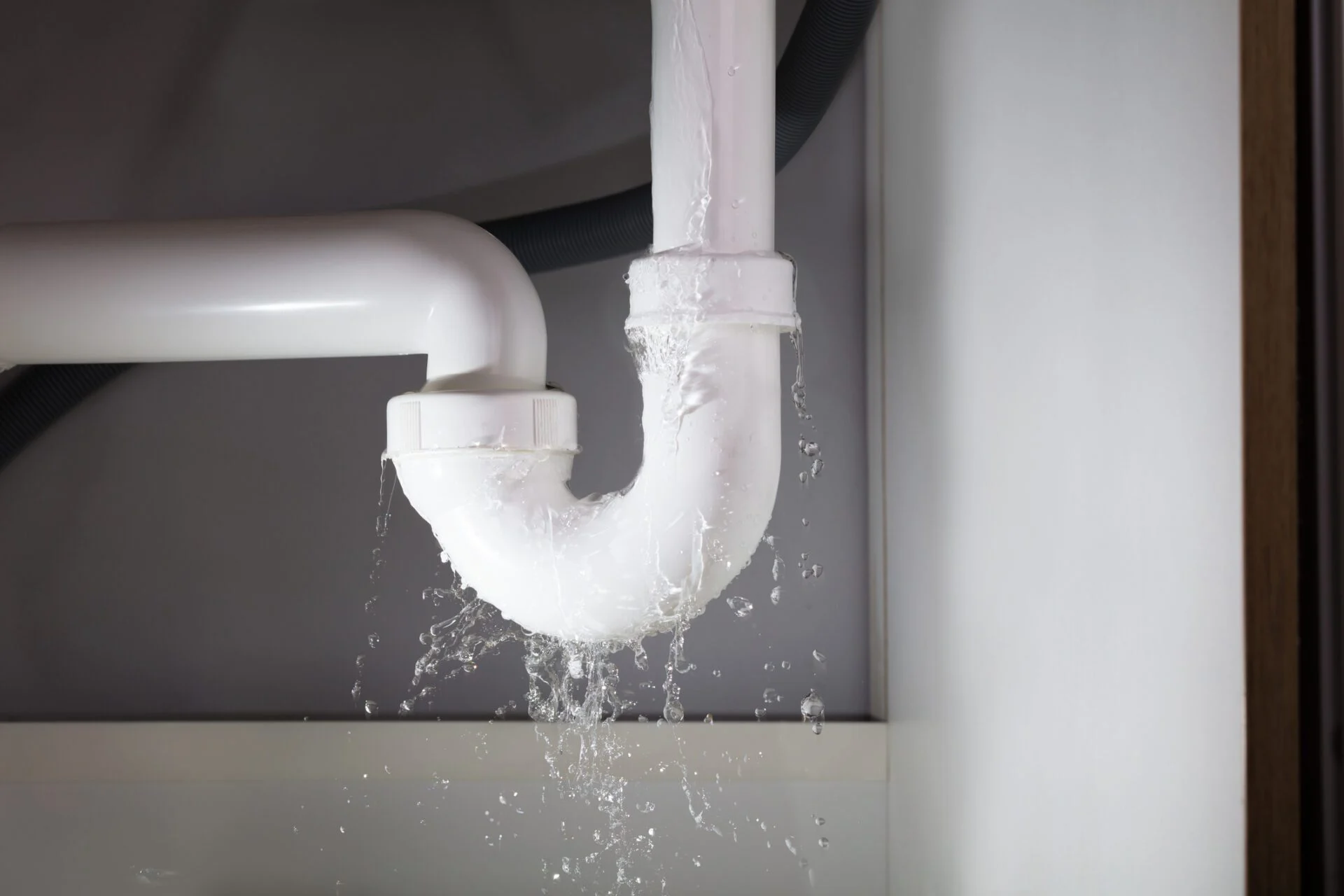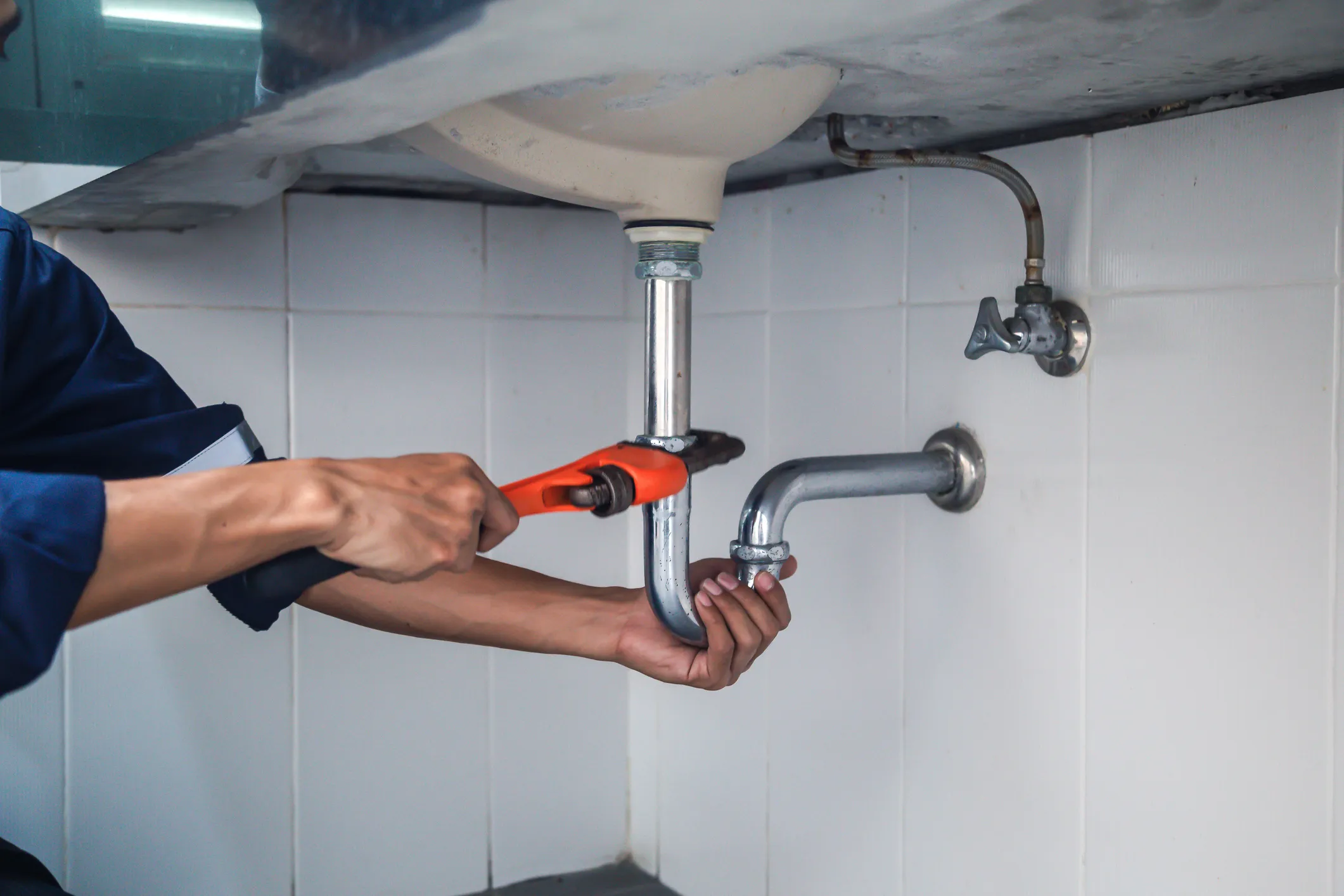

Embarking on the journey of building a new home is both exciting and challenging. One of the most critical components in this process is the plumbing timeline for a new home build. Understanding this timeline ensures that your home’s plumbing system is installed efficiently and functions flawlessly. This guide will walk you through the key stages of the plumbing timeline, providing insights and tips to help you navigate the process with confidence.
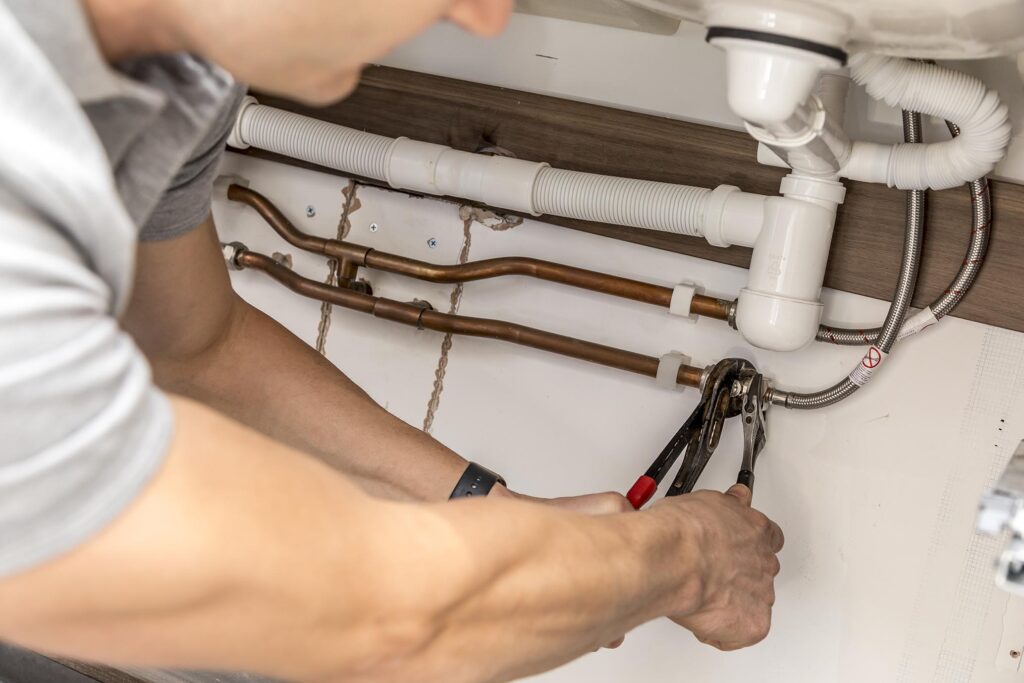
Understanding the Role of Plumbing in Home Construction
Plumbing is an essential part of any home, responsible for water supply, heating, and waste management. Proper planning and execution of the plumbing timeline can significantly impact the overall success of your new home build. It is crucial to work with experienced professionals who understand the intricacies of plumbing systems and adhere to local building codes.
Initial Planning and Design
Consulting with a Plumbing Expert
The first step in the plumbing timeline for a new home build is consulting with a plumbing expert. This professional will assess your needs, review architectural plans, and provide recommendations for the best plumbing solutions. Its important to choose a reputable plumber with experience in new home construction.
Designing the Plumbing System
Once you have a plumber on board, the next step is designing the plumbing system. This involves determining the layout of pipes, fixtures, and appliances. The design should consider factors like water pressure, drainage, and energy efficiency. A well-thought-out design ensures that the plumbing system operates smoothly and meets your family’s needs.
Pre-Construction Preparations
Obtaining Necessary Permits
Before construction begins, its essential to obtain the necessary permits from local authorities. These permits ensure that your plumbing system complies with building codes and safety standards. Your plumber should be familiar with the permitting process and able to assist with the paperwork.
Scheduling Inspections
Scheduling inspections is a critical part of the pre-construction phase. Inspections verify that the plumbing system is installed correctly and adheres to regulatory standards. Its important to coordinate with inspectors to ensure that inspections are completed on time and do not delay the construction process.
Rough-In Plumbing
Installing Water Supply Lines
The rough-in stage involves installing the main water supply lines and drainage pipes. This phase occurs before walls and floors are fully constructed, allowing plumbers to work efficiently. Its crucial to ensure that pipes are correctly aligned and secured to prevent leaks and future issues.
Setting Up Drainage Systems
During the rough-in stage, plumbers also focus on setting up the drainage systems. This includes installing sewer lines, vent pipes, and traps. Proper installation is vital to prevent blockages and ensure that waste is effectively removed from the home.
Fixture Installation and Final Connections
Installing Fixtures and Appliances
Once the rough-in plumbing is complete, the next step is installing fixtures and appliances. This includes sinks, toilets, showers, and water heaters. Its important to choose high-quality fixtures that are both functional and aesthetically pleasing.
Making Final Connections
After the fixtures are installed, plumbers make the final connections to the water supply and drainage systems. This step involves sealing joints and testing for leaks. Ensuring that all connections are secure is vital to prevent water damage and ensure the plumbing system operates efficiently.
Final Inspections and Testing
Conducting Pressure Tests
Before the plumbing system is approved for use, it must undergo pressure tests. These tests verify that the system can handle the expected water pressure without leaks or failures. A successful pressure test is a critical milestone in the plumbing timeline.
Completing the Final Inspection
The final inspection ensures that the plumbing system meets all regulatory standards and is safe for use. Inspectors will review the installation, check for compliance with codes, and verify that all tests have been completed. Passing the final inspection is the last step before the plumbing system can be used.
Post-Construction Considerations
Maintaining the Plumbing System
After construction is complete, its important to maintain the plumbing system to ensure its longevity. Regular maintenance includes checking for leaks, cleaning drains, and servicing water heaters. A well-maintained system is less likely to experience issues and can save you money on repairs.
Planning for Future Upgrades
As your familys needs change, you may need to upgrade your plumbing system. Planning for future upgrades during the initial design phase can save time and money. Consider factors like adding bathrooms, installing energy-efficient fixtures, and expanding the water supply.
Conclusion
Understanding the plumbing timeline for a new home build is crucial for ensuring a successful and efficient construction process. By following the steps outlined in this guide and working with experienced professionals, you can create a plumbing system that meets your needs and enhances your new home’s value. For additional insights on plumbing and home building, consider visiting Angi’s Plumbing Tips.
FAQs
How long does the plumbing installation process take?
The plumbing installation process for a new home can take several weeks to a few months, depending on the complexity of the design and the size of the home.
What are the most common plumbing issues in new homes?
Common plumbing issues in new homes include leaks, low water pressure, and drainage problems. Regular maintenance and inspections can help prevent these issues.
Can I make changes to the plumbing system after construction?
Yes, changes can be made to the plumbing system after construction, but it may involve additional costs and require permits. It’s best to plan for future needs during the design phase.
For more tips on home building and maintenance, visit DIY Plumbing and Monthly Cleaning on our website.
This article contains affiliate links. We may earn a commission at no extra cost to you.