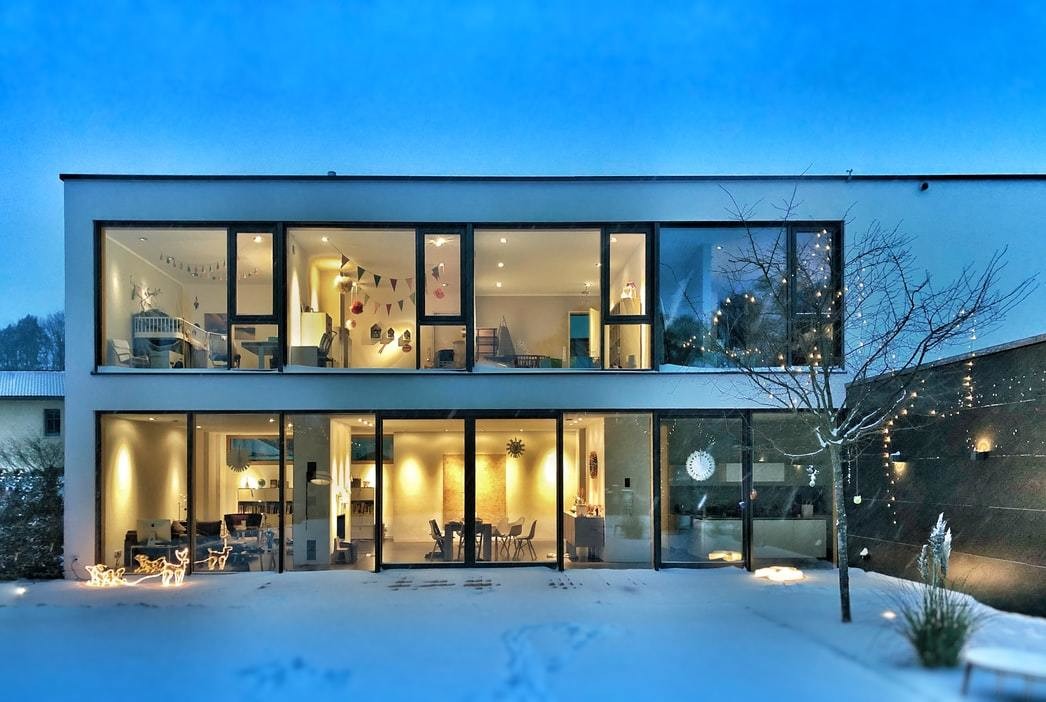

The concept of passive houses has revolutionized the building industry, offering a sustainable solution to energy efficiency and comfort. The heart of a passive house lies in its envelope components, which are designed to minimize energy loss and maximize comfort. This guide will delve into the key elements that make up these components and their role in creating a high-performing passive house.
Understanding the components of a passive house envelope is essential for anyone involved in the design, construction, or maintenance of these energy-efficient homes. Let’s explore these components in detail.
Before we delve into the specifics, it might be helpful to familiarize yourself with the concept of low energy building standards.
Insulation and Thermal Bridging
Insulation is a critical component of a passive house envelope. It serves to limit heat transfer between the interior and exterior of the building, thereby reducing the need for active heating and cooling. Thermal bridging, on the other hand, refers to areas in the building envelope that allow heat to bypass the insulation. In a passive house, thermal bridging is minimized to ensure maximum energy efficiency.
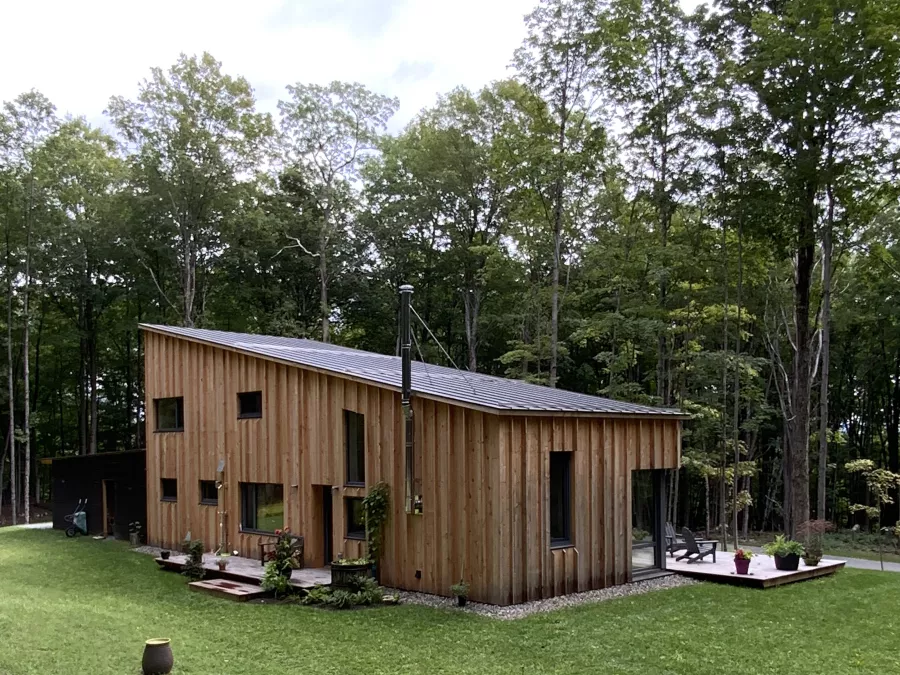
Air Tightness and Ventilation
Air tightness is another key feature of a passive house envelope. It prevents uncontrolled air leakage, which can lead to energy loss and discomfort. To ensure good indoor air quality, passive houses are equipped with a ventilation system that provides fresh air and removes stale air without compromising the building’s energy efficiency.
Windows and Doors
Windows and doors in a passive house are designed to contribute to the building’s overall energy efficiency. They are typically double or triple-glazed, with high-performance frames to prevent heat loss. Moreover, they are strategically placed to take advantage of solar gain, further reducing the need for active heating.
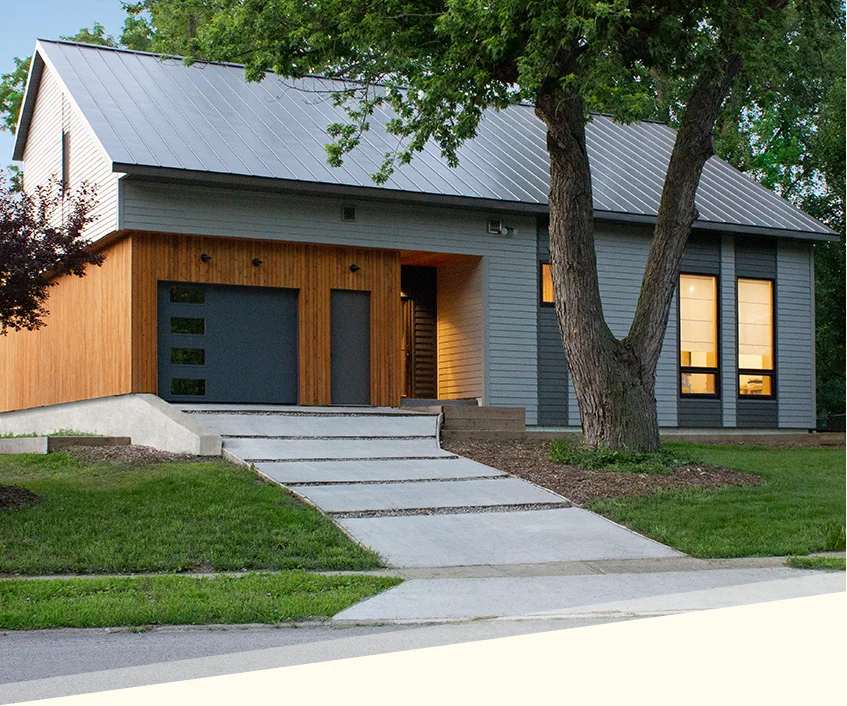
For more information on passive houses, you can visit this comprehensive guide.
As we conclude, it’s worth noting that the components of a passive house envelope work together to create a comfortable and energy-efficient living environment. If you’re looking to build or renovate a home, consider integrating these principles into your project. You can easily integrate solar wiring route and seal your energy envelope for an energy-efficient home.