
Building a sustainable and energy-efficient home is no longer just a trend; it’s a necessity. A passive house is a shining example of this, where the focus is on reducing energy consumption while maintaining a comfortable living environment. A key component in achieving this is the selection of appropriate design materials. In this article, we’ll delve deep into the passive house design materials list that are essential for creating a sustainable home.
Understanding the Passive House Concept
The passive house standard is all about maximizing energy efficiency and minimizing environmental impact. It involves creating a home that uses minimal energy for heating and cooling. This is achieved through intelligent design and careful selection of materials. The passive house design ideas are often inspired by nature, where the focus is on utilizing natural resources to maintain an optimal indoor climate.
The Importance of Material Selection
Choosing the right materials is crucial in the passive house design. The materials used can significantly impact the home’s energy efficiency, indoor air quality, and overall sustainability. These materials are chosen not only for their thermal properties but also for their durability, environmental impact, and ability to provide a healthy living environment.
Key Materials in Passive House Design
Insulation
Insulation is one of the most important components in a passive house. It helps to maintain a consistent indoor temperature by minimizing the transfer of heat. Materials like cellulose, fiberglass, and mineral wool are commonly used due to their excellent insulating properties. The thickness and placement of insulation play a significant role in the overall effectiveness of the passive house.
High-Performance Windows
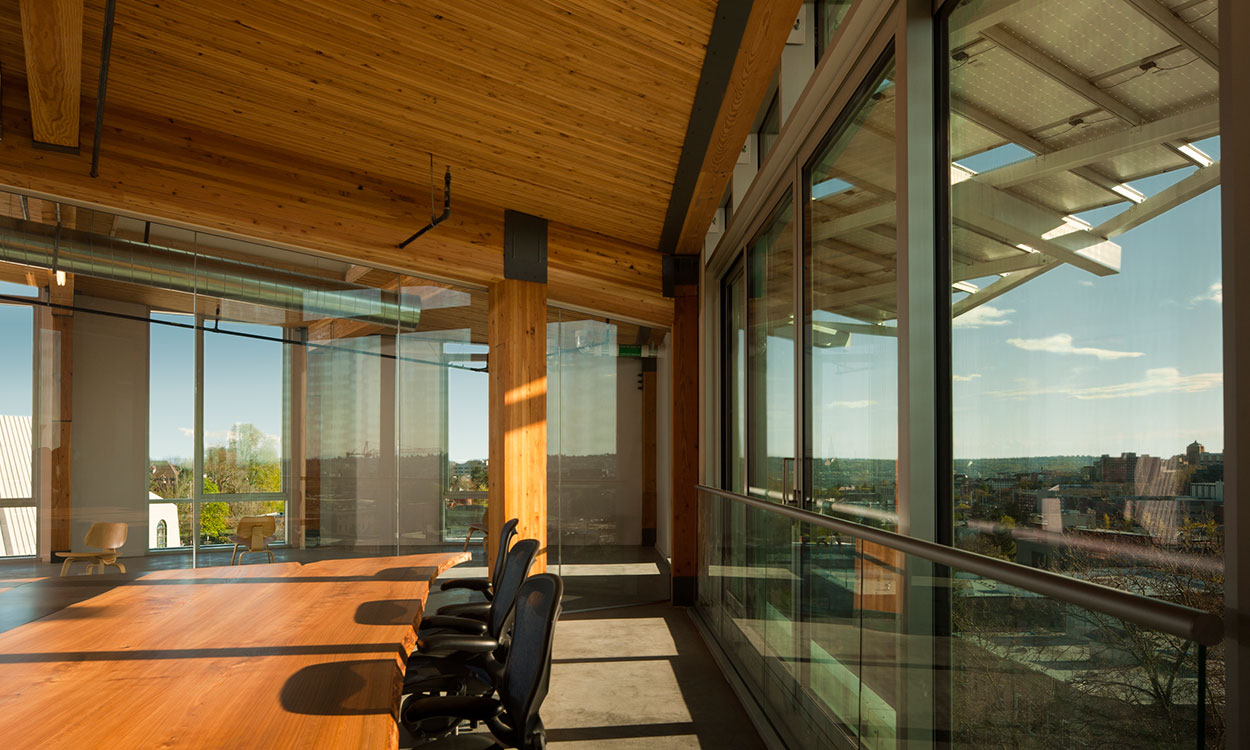
Windows are a critical element in the passive house design. High-performance windows are designed to minimize heat loss and maximize solar gain. These windows are typically triple-glazed and have a low-emissivity coating to enhance their energy efficiency. The placement and size of windows are carefully considered to optimize natural light and reduce the need for artificial lighting.
Airtight Construction
Airtightness is essential in reducing energy loss in a passive house. By minimizing air leaks, the house can maintain a stable indoor environment with minimal heating and cooling demands. Techniques such as using airtight membranes and tapes, as well as ensuring proper sealing of joints and connections, are employed to achieve high levels of airtightness.
Ventilation Systems
While airtight construction is crucial, it’s equally important to ensure adequate ventilation. Mechanical ventilation systems with heat recovery are commonly used in passive houses. These systems help in maintaining indoor air quality by bringing in fresh air while recovering heat from the outgoing air, thereby reducing energy consumption.
Sustainable Building Materials
Wood
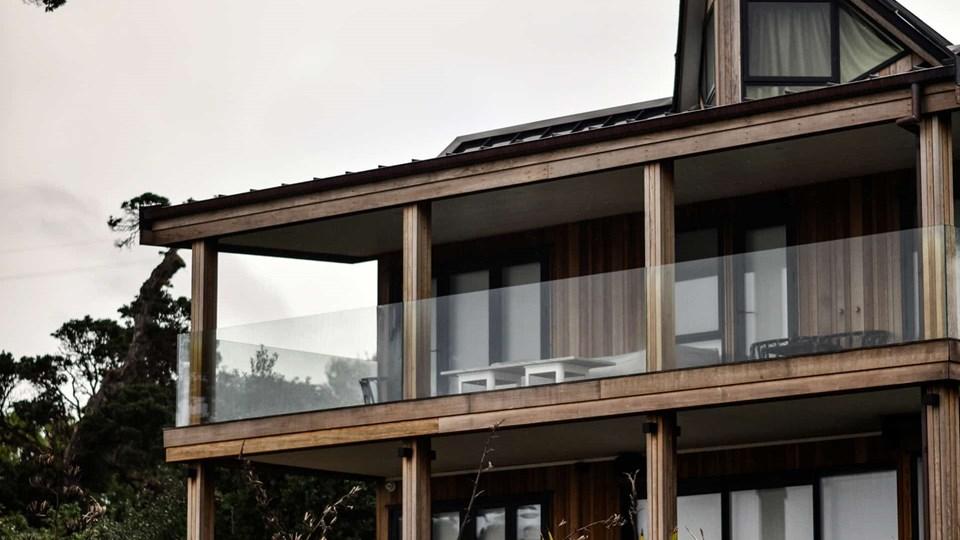
Wood is a popular choice for passive house design due to its natural insulating properties and sustainability. It’s a renewable resource that can contribute to a lower carbon footprint. Additionally, wood can be used in various forms, such as timber framing, cladding, and flooring, making it a versatile choice for sustainable building.
Recycled Materials
Using recycled materials is an excellent way to reduce the environmental impact of construction. Materials such as recycled steel, glass, and plastic can be used in different parts of the house, from structural components to finishes. These materials not only contribute to sustainability but also add unique aesthetic elements to the passive house.
Non-Toxic Finishes
Indoor air quality is a significant concern in any home, especially in a passive house where airtight construction is prioritized. Using non-toxic finishes, such as low-VOC paints and natural sealants, helps to maintain a healthy indoor environment. These finishes are free from harmful chemicals that can affect air quality and overall health.
External Resources and Inspiration
For those interested in learning more about sustainable building practices and materials, the Green Building page on Wikipedia provides a wealth of information. Additionally, best practices in sustainable building can offer insights into creating an eco-friendly home.
Conclusion
The passive house design materials list is a comprehensive guide to building a sustainable and energy-efficient home. By carefully selecting materials that enhance energy efficiency, improve indoor air quality, and reduce environmental impact, homeowners and real estate developers can create homes that are not only comfortable but also environmentally responsible. Embracing these principles is a step towards a more sustainable future.
FAQs
What is a Passive House?
A passive house is a building standard that focuses on energy efficiency, providing a comfortable indoor climate with minimal energy use.
Why is insulation important in Passive House design?
Insulation helps to maintain a consistent indoor temperature, reducing the need for heating and cooling, which is crucial for energy efficiency in a passive house.
How do high-performance windows contribute to energy efficiency?
High-performance windows reduce heat loss and maximize solar gain, which helps in maintaining energy efficiency in a passive house.
This article contains affiliate links. We may earn a commission at no extra cost to you.