
Every successful office renovation or new workspace project requires careful attention to fire safety systems. Among the most critical components is the office buildout sprinkler system planning process, which ensures that your space meets code, protects occupants, and supports your business operations. Whether you’re managing a full-scale tenant improvement or a smaller office refresh, understanding the steps, requirements, and best practices for integrating sprinklers is essential.
This article provides a practical overview of what goes into planning a sprinkler system for a commercial office environment. You’ll learn about key regulations, design considerations, coordination with other trades, and how to avoid common pitfalls. For those also considering workspace layout, you may find our office buildout furniture selection guide helpful as you plan your project holistically.
Understanding Sprinkler Requirements in Office Spaces
Commercial offices must comply with local and national fire codes, which typically mandate automatic sprinkler protection. The office buildout sprinkler system planning process starts with understanding these requirements. Most jurisdictions reference the National Fire Protection Association (NFPA) standards, especially NFPA 13, which governs the design and installation of sprinkler systems.
- Occupancy Classification: Office spaces are usually considered “light hazard” occupancies, but any specialized areas (like server rooms or storage) may have stricter requirements.
- Ceiling Height and Layout: The height and configuration of your ceilings, as well as the presence of soffits or open plenum spaces, affect sprinkler spacing and head types.
- Local Amendments: Always check with your city or county building department for additional rules or interpretations that may impact your project.
Key Steps in Sprinkler System Coordination
Integrating fire protection into an office buildout involves more than just installing pipes and sprinkler heads. Early and thorough coordination is vital to avoid costly changes later. Here are the main steps:
- Assess Existing Infrastructure: Determine if the building already has a base sprinkler system and whether it can be modified to suit your new layout. Retrofitting may require upgrades to piping, pumps, or water supply.
- Engage a Licensed Fire Protection Engineer: Professional design is required for permit approval and code compliance. The engineer will create plans showing head locations, pipe routing, and hydraulic calculations.
- Coordinate with Other Trades: Sprinkler piping must be coordinated with HVAC ducts, lighting, ceilings, and structural elements. Early collaboration minimizes conflicts and rework.
- Submit for Permits: Plans must be reviewed and approved by the local authority having jurisdiction (AHJ) before work begins.
- Inspection and Testing: After installation, the system will be tested for leaks, coverage, and operational readiness. Final approval is required before occupancy.
Design Considerations for Modern Workspaces
Today’s offices often feature open ceilings, collaborative zones, and flexible layouts. These trends can complicate sprinkler system planning for office buildouts. Here are several design factors to keep in mind:
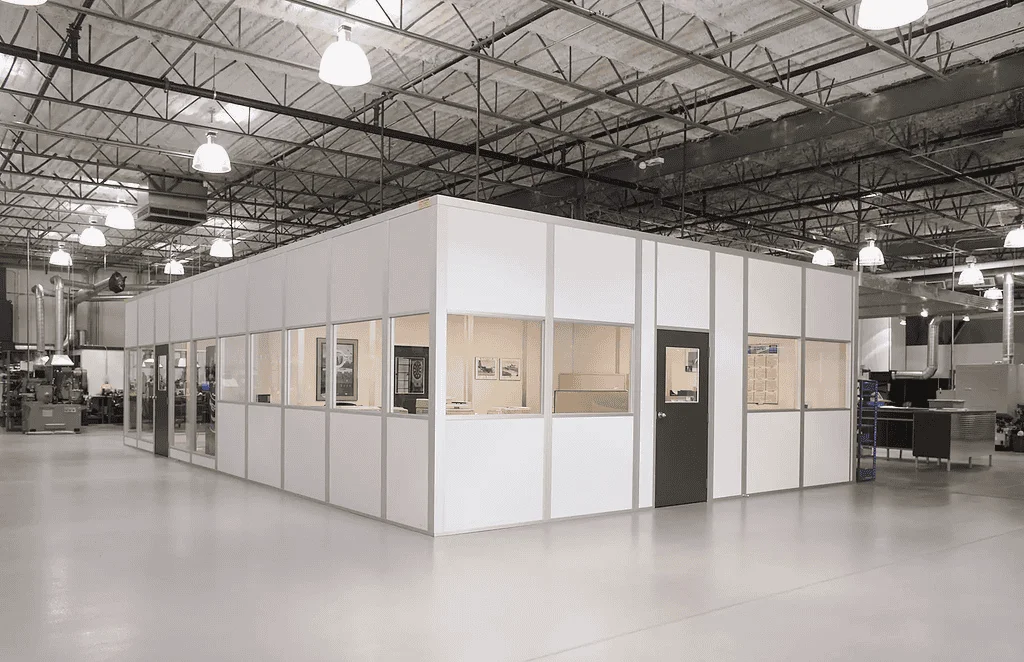
- Open Ceilings: Exposed structures require careful placement of sprinkler heads to ensure full coverage. Pendant or upright heads may be specified instead of concealed types.
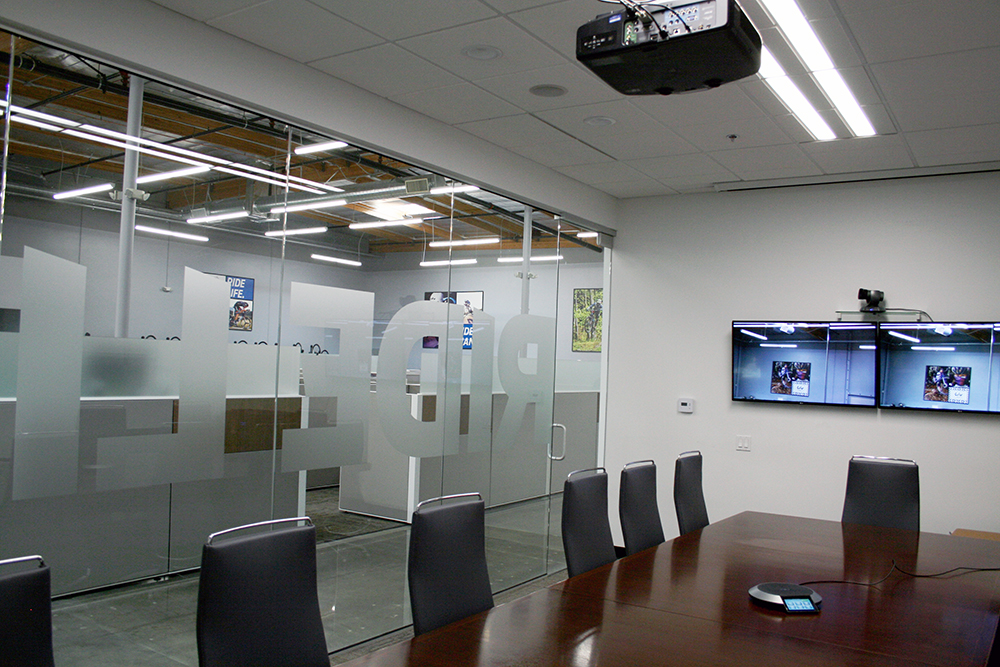
- Glass Walls and Partitions: Sprinklers may need to be installed on both sides of glass walls or in areas with floor-to-ceiling partitions to maintain code-compliant coverage.
- Furniture and Fixtures: Large furniture, shelving, or acoustic baffles can obstruct spray patterns. Early coordination with your office buildout furniture selection team is recommended.
- Hybrid and Flexible Spaces: If your office includes movable walls or reconfigurable zones, discuss with your fire protection engineer how to maintain proper coverage as the space evolves.
Budgeting and Cost Factors in Sprinkler Planning
The cost of integrating or modifying a sprinkler system can vary widely depending on project scope, existing infrastructure, and design complexity. Key factors that influence budgeting include:
- Extent of Modifications: Minor layout changes may only require relocating a few heads, while major renovations could involve new branch lines or upgrades to the main system.
- Ceiling Type: Open ceilings may require more expensive head types and additional coordination.
- Permitting and Inspections: Fees for plan review, permits, and inspections should be included in your budget.
- After-Hours Work: In occupied buildings, sprinkler work may need to be performed outside regular office hours, increasing labor costs.
For a deeper dive into the broader buildout process and how fire protection fits in, see this comprehensive guide to mastering the office build-out process.

Common Challenges and How to Avoid Them
Even with careful sprinkler system planning for office buildouts, certain issues can arise. Being aware of these challenges can help you mitigate risks and keep your project on track:
- Delayed Coordination: Waiting too long to engage fire protection experts can lead to design conflicts or costly change orders.
- Overlooking Code Nuances: Local amendments or unique building features may require special solutions. Always verify requirements with your AHJ.
- Inadequate Allowance for Inspections: Scheduling final inspections and tests can take longer than expected, especially in busy jurisdictions.
- Tenant Improvements in Multi-Tenant Buildings: Modifications may impact other tenants or shared systems, requiring additional coordination with building management.
Integrating Sprinklers with Other Office Buildout Elements
Fire protection is just one piece of a successful office fit-out. For optimal results, coordinate your sprinkler planning with other aspects such as hybrid workspace design, soundproofing tips, and conference room design. Early integration ensures that all systems work together and that your finished space is both safe and functional.
Frequently Asked Questions
What is the first step in planning a sprinkler system for an office renovation?
The initial step is to review local fire codes and engage a licensed fire protection engineer. This professional will assess the existing system, determine code requirements, and develop a compliant design tailored to your new office layout.
Can I reuse the existing sprinkler system in my office buildout?
In many cases, the existing system can be modified to fit the new layout, but this depends on the age, capacity, and condition of the infrastructure. A thorough assessment by a qualified contractor or engineer is necessary to determine feasibility and compliance.
How do open ceilings or glass partitions affect sprinkler design?
Open ceilings often require different types of sprinkler heads and careful placement to ensure full coverage. Glass partitions may necessitate heads on both sides or special spacing to maintain protection. Early coordination with your design and engineering teams is essential.
How long does it take to get permits and inspections for sprinkler modifications?
The timeline varies by jurisdiction, but plan reviews and inspections can take anywhere from a few days to several weeks. Factoring in this time during your project scheduling helps avoid delays in occupancy.
Are there ways to minimize costs during sprinkler system planning?
Early coordination, clear communication with all trades, and a thorough understanding of code requirements can help control costs. Reusing existing infrastructure where possible and minimizing after-hours work are also effective strategies.