

Moving a business to a new location or expanding into a larger space is a significant milestone, but it can also be a complex process. Office buildout relocation planning involves much more than just packing up desks and computers. It requires careful coordination, clear communication, and a well-structured approach to ensure minimal disruption and a smooth transition for everyone involved.
Whether your company is growing, downsizing, or simply seeking a more efficient workspace, understanding the essential steps of a successful move is crucial. This guide provides a comprehensive overview of the key phases, from initial needs assessment to post-move support, so you can navigate your project with confidence and avoid common pitfalls.
For organizations interested in workspace customization, exploring office buildout custom millwork can add both functionality and style to your new environment.
Understanding the Scope of Your Office Move
Before diving into logistics, it’s essential to define the goals and requirements of your relocation. Start by assessing your current and future space needs, considering factors such as team size, workflow, and potential for growth. A clear understanding of these elements will guide every subsequent decision and help you avoid costly changes down the line.
- Evaluate current space utilization – Identify what works and what doesn’t in your existing setup.
- Project future needs – Anticipate changes in headcount, technology, and business operations.
- Set a realistic budget – Factor in construction, moving expenses, new furniture, and contingency funds.
Building Your Relocation Team
A successful office buildout relocation planning process depends on assembling the right team. Assign clear roles and responsibilities to ensure accountability and streamline decision-making.
- Project manager – Oversees the entire process and coordinates between stakeholders.
- Facilities and IT leads – Manage infrastructure, connectivity, and equipment needs.
- Department representatives – Gather input and communicate updates to their teams.
- External partners – Include architects, contractors, and movers as needed.
For organizations focused on employee well-being during transitions, the office buildout employee transition planning guide offers strategies to support your staff throughout the move.
Designing Your New Workspace
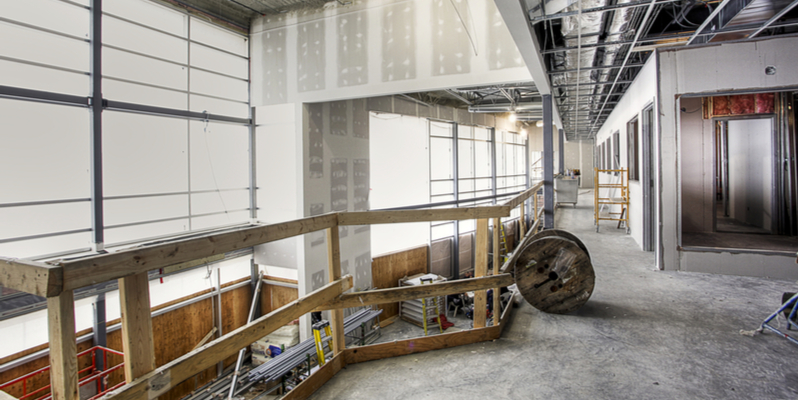
The design phase is where your vision for the new office comes to life. Collaborate with architects and designers to create a layout that supports your company’s culture and workflow. Consider incorporating flexible spaces, collaborative zones, and areas for focused work.
- Space planning – Maximize efficiency and comfort for all employees.
- Technology integration – Plan for robust connectivity and future upgrades.
- Sustainability – Choose eco-friendly materials and energy-efficient systems.
If modular solutions are a priority, understanding the office buildout modular furniture benefits can help you create adaptable and cost-effective workspaces.
Budgeting and Timeline Management
Keeping your project on track requires diligent budgeting and scheduling. Develop a detailed timeline that includes key milestones such as design approvals, construction phases, IT setup, and the final move date.
- Establish a project calendar – Set realistic deadlines and allow for contingencies.
- Monitor expenses – Track spending against your budget and adjust as needed.
- Communicate regularly – Keep all stakeholders informed of progress and changes.
For additional insights, review these practical tips for office buildout planning in manufacturing environments to help avoid common pitfalls.
Coordinating the Physical Move
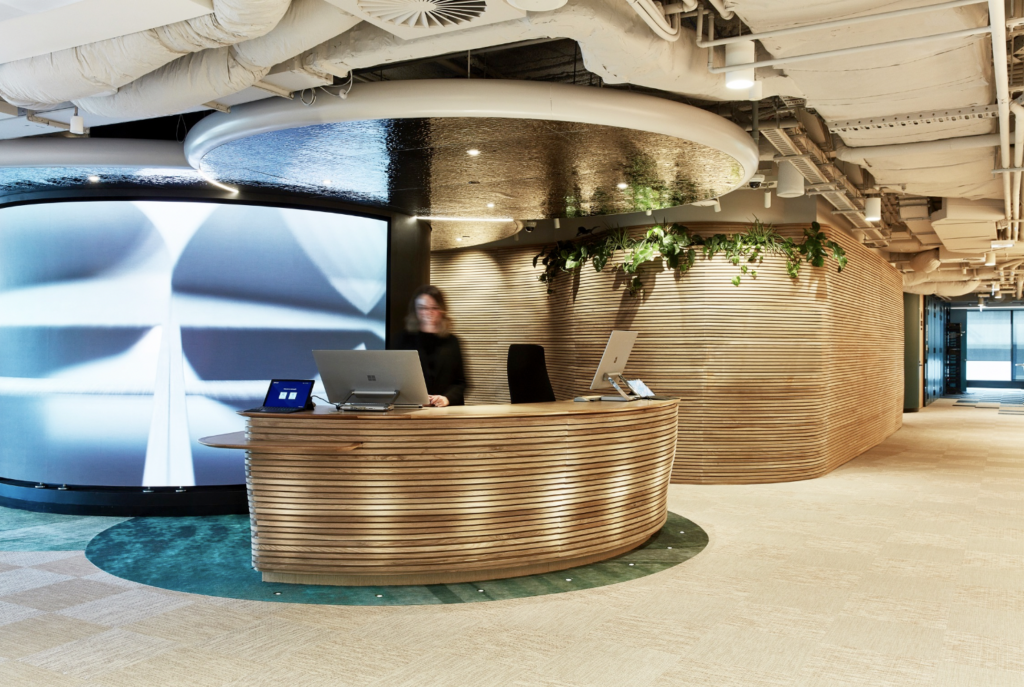
As the construction and setup near completion, focus shifts to the logistics of the actual move. Effective office buildout relocation planning ensures minimal downtime and a seamless transition.
- Inventory and labeling – Catalog all assets and label items for easy unpacking.
- IT and communications – Ensure all systems are operational before staff arrive.
- Phased move-in – Consider moving in stages to reduce disruption.
- Contingency planning – Prepare for unexpected delays or issues.
Change Management and Staff Communication
Keeping employees informed and engaged is vital during any relocation. Clear communication helps manage expectations and reduces anxiety about the change.
- Regular updates – Share progress reports and timelines with all staff.
- Feedback channels – Encourage questions and suggestions throughout the process.
- Orientation sessions – Offer tours and training in the new space before the official move-in.
For a deeper dive into managing organizational change, the office buildout change management resource provides actionable strategies for smooth transitions.
Post-Move Support and Evaluation
The work doesn’t end once everyone is settled in. Conduct a thorough review of the relocation process to identify successes and areas for improvement. Solicit feedback from employees and address any lingering issues promptly.
- Facility walkthroughs – Check for any unfinished work or maintenance needs.
- IT troubleshooting – Resolve connectivity or equipment issues quickly.
- Continuous improvement – Document lessons learned for future projects.
Leveraging Technology for a Connected Workspace
Modern offices rely heavily on technology for collaboration and productivity. Integrating smart systems and IoT devices during your buildout can streamline operations and enhance the work environment.
Learn more about office buildout IoT integration to create a connected, future-ready workspace.
Frequently Asked Questions
What is the ideal timeline for planning an office relocation?
The recommended timeline for a typical office move ranges from six months to a year, depending on the size and complexity of the project. Early planning allows for thorough needs assessment, design, construction, and communication with all stakeholders.
How can we minimize downtime during the move?
To reduce downtime, organize a phased move-in, ensure all IT systems are operational before staff arrive, and work with experienced movers. Detailed labeling and inventory management also help speed up the unpacking process.
What are common mistakes to avoid in office buildout relocation planning?
Common pitfalls include underestimating the budget, failing to communicate with employees, overlooking IT requirements, and not allowing enough time for each phase. Clear planning and regular updates can help prevent these issues.