
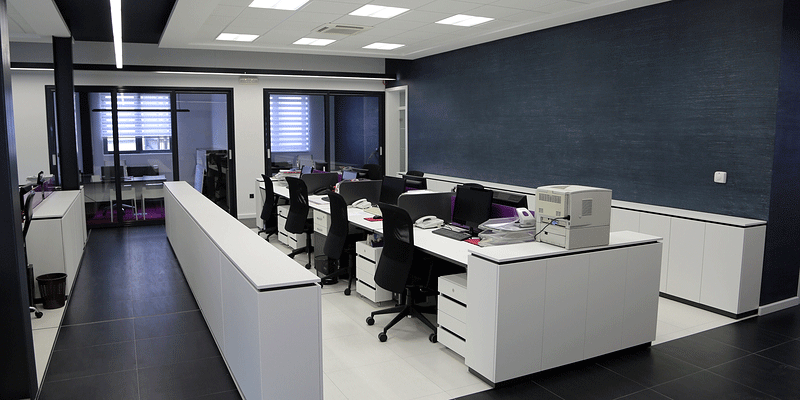

Planning a new workspace or renovating an existing one involves more than just picking out desks and chairs. Office buildout furniture selection is a strategic process that impacts productivity, employee satisfaction, and the overall image of your company. The right choices can support your business goals, foster collaboration, and create a welcoming environment for both staff and visitors.
Whether you’re starting from scratch or reimagining your current office, understanding how to approach furniture selection is essential. This article will walk you through key considerations, practical steps, and expert tips to help you make informed decisions that align with your company’s needs and culture.
For those interested in optimizing the layout before choosing furnishings, office buildout layout planning is a valuable resource to ensure your space is both efficient and adaptable.
Understanding the Importance of Strategic Furniture Choices
Selecting the right furniture for a commercial space goes beyond aesthetics. The process of office buildout furniture selection directly influences workflow, comfort, and the ability to adapt to changing business needs. Well-chosen pieces can help reduce noise, encourage collaboration, and support ergonomic health.
Modern offices often require a mix of open workstations, private areas, and flexible meeting spaces. Each of these zones demands specific furniture solutions to maximize their effectiveness. By prioritizing both function and form, you can create an environment that supports your team and reflects your brand identity.

Key Factors in Office Buildout Furniture Selection
To make the most of your investment, consider these essential factors when evaluating furniture options for your workspace:
- Space Utilization: Analyze your floor plan to determine the best arrangement for desks, storage, and communal areas. Efficient use of space ensures comfort and accessibility.
- Flexibility: Choose modular or mobile pieces that can be reconfigured as your business evolves.
- Ergonomics: Prioritize adjustable chairs, sit-stand desks, and accessories that promote healthy posture and reduce strain.
- Durability: Invest in high-quality materials that can withstand daily use and require minimal maintenance.
- Brand Alignment: Select styles, colors, and finishes that reflect your company’s culture and values.
- Budget: Balance cost with quality. Consider long-term value rather than just upfront price.
- Sustainability: Opt for eco-friendly options and suppliers committed to responsible sourcing and manufacturing.
For a deeper dive into how space planning and furniture selection work together, you may find office buildout space planning helpful for maximizing efficiency.
Steps to a Successful Furniture Procurement Process
A structured approach to office buildout furniture selection can streamline the process and help avoid costly mistakes. Here’s a step-by-step outline:
- Assess Your Needs: Gather input from employees and department heads about their daily tasks, storage requirements, and preferences. Consider future growth and any planned changes in work style.
- Set a Realistic Budget: Include not only the cost of furniture but also delivery, installation, and any required modifications to your space.
- Research Vendors: Compare suppliers based on product range, warranties, customer service, and sustainability practices.
- Request Samples or Mock-Ups: Whenever possible, test products in your space to evaluate comfort, fit, and finish.
- Coordinate with Other Buildout Elements: Make sure your choices align with lighting, flooring, and technology infrastructure. For example, conference rooms may require specific tables and integrated power solutions. For more on this, see office buildout conference room design.
- Finalize and Order: Once selections are made, confirm lead times and coordinate delivery with your construction or renovation schedule.
- Plan for Installation: Work with your vendor and facilities team to ensure a smooth installation process with minimal disruption.
Types of Furniture to Consider for Modern Workspaces
Today’s offices require a blend of traditional and innovative furnishings. Here are some categories to include in your planning:
- Workstations: Options range from benching systems to individual desks, with privacy screens or open layouts depending on your team’s needs. For best practices, explore office buildout workstation design.
- Seating: Ergonomic task chairs, guest seating, and lounge options for informal meetings.
- Conference and Meeting Tables: Flexible tables that support both formal meetings and collaborative sessions.
- Storage Solutions: Filing cabinets, lockers, and shelving to keep workspaces organized and clutter-free.
- Breakout and Lounge Areas: Sofas, armchairs, and café tables for relaxation or casual discussions.
- Reception Furniture: Desks and seating that create a welcoming first impression.
- Specialty Items: Acoustic panels, phone booths, and height-adjustable desks to address specific needs.
Integrating Sustainability and Wellness in Furniture Selection
More organizations are prioritizing sustainability and employee well-being in their office design decisions. When choosing furnishings, look for certifications such as GREENGUARD or FSC, which indicate environmentally responsible manufacturing. Incorporate biophilic elements—such as natural materials and plants—to boost morale and productivity.
Ergonomics should also be a top priority. Adjustable desks and chairs, anti-fatigue mats, and proper lighting all contribute to a healthier workspace. For those interested in eco-friendly standards, office buildout green building standards provides further insights.
Common Pitfalls to Avoid
Even with careful planning, mistakes can happen during the furniture selection process. Here are some common issues to watch out for:
- Underestimating lead times, resulting in project delays.
- Choosing style over substance, leading to uncomfortable or impractical workspaces.
- Neglecting to involve employees in the decision-making process.
- Overlooking the importance of future flexibility and scalability.
- Failing to coordinate with other buildout elements, such as electrical and IT infrastructure.
For a comprehensive overview of the buildout process, including furniture and beyond, this ultimate guide to building out office space offers expert advice and checklists.
Frequently Asked Questions
How early should furniture selection begin in an office buildout?
It’s best to start evaluating furniture options as soon as your layout and space requirements are defined. Early planning helps avoid delays and ensures your selections integrate smoothly with construction schedules and other project elements.
What are the benefits of choosing modular furniture for offices?
Modular pieces offer flexibility, allowing you to reconfigure workspaces as your team grows or business needs change. They also simplify future renovations and can be more cost-effective over time.
How can I ensure my office furniture supports employee wellness?
Prioritize ergonomic designs, adjustable features, and materials that promote comfort and good posture. Incorporate elements that reduce noise and support a healthy work environment, such as acoustic panels and biophilic design.


