
The idea of leaving behind city life and embracing a more self-reliant lifestyle has never been more appealing. Many people are searching for practical examples of how others have made the transition to living off the land, generating their own power, and building communities far from the grid. These real-world journeys offer valuable lessons, motivation, and a sense of what’s possible for anyone considering a similar path.
In this article, you’ll discover a range of inspiring journeys where individuals and families have achieved remarkable independence. Along the way, you’ll find practical tips, resources, and links to deepen your understanding, including advice on self-sufficient homestead ideas that can help you get started.
What Makes an Off-Grid Journey Successful?
Achieving a self-sustaining lifestyle is about more than just disconnecting from public utilities. The most compelling off-grid living success stories share a few common threads:
- Resourcefulness: Making the most of available materials and local knowledge.
- Adaptability: Adjusting plans as challenges arise, from weather to supply shortages.
- Community: Building relationships with neighbors, sharing skills, and sometimes forming intentional communities.
- Commitment: Sticking with the vision through setbacks and learning curves.
These elements are reflected in the experiences of those who have made the leap, whether they’re living in remote cabins, tiny homes, or building modern homesteads from the ground up.
Real-Life Examples of Off-Grid Success
Across the country and around the world, people are proving that it’s possible to thrive without relying on traditional infrastructure. Here are a few standout examples of individuals and families who have embraced this lifestyle and found fulfillment in the process.
Family Homesteads: Building a Life from Scratch
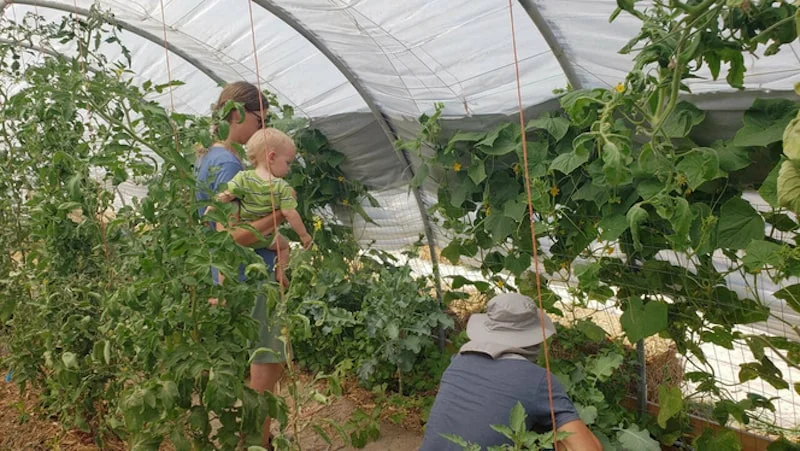
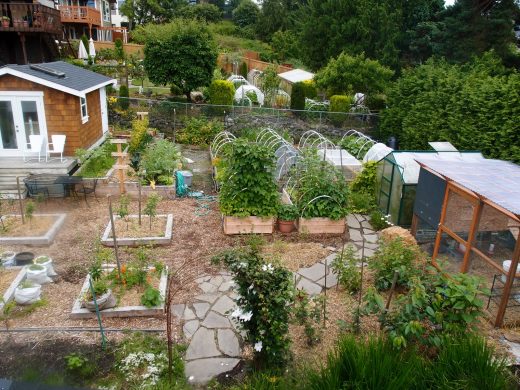
Many families have chosen to leave urban environments and create their own homesteads. For example, some have purchased raw land and spent years transforming it into productive farms with solar power, rainwater catchment, and organic gardens. These stories often involve learning new skills, such as animal husbandry, carpentry, and food preservation.
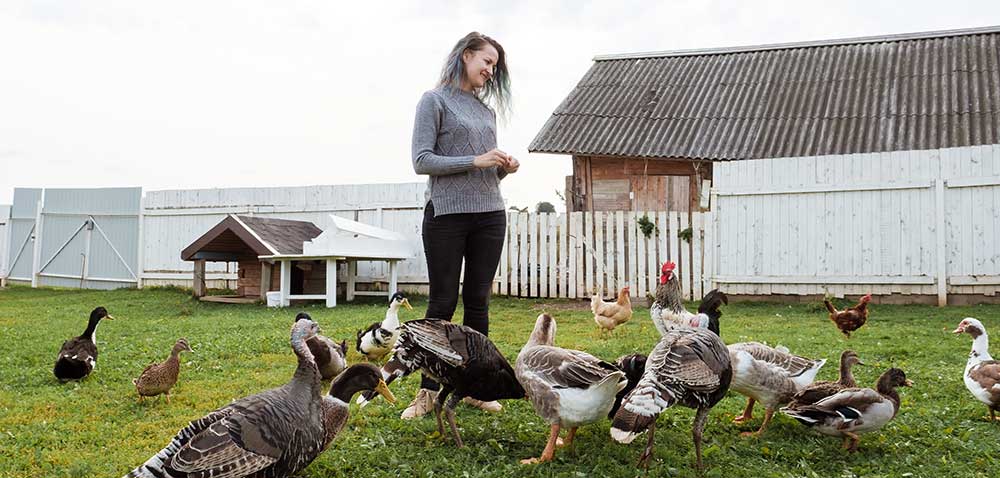
One inspiring case involves a couple who, after years of city living, moved to a rural property and built their own home using reclaimed materials. They now grow most of their own food, raise chickens, and have become nearly energy independent. Their journey highlights the importance of patience and a willingness to learn from mistakes.
Solo Pioneers: Finding Freedom in Simplicity
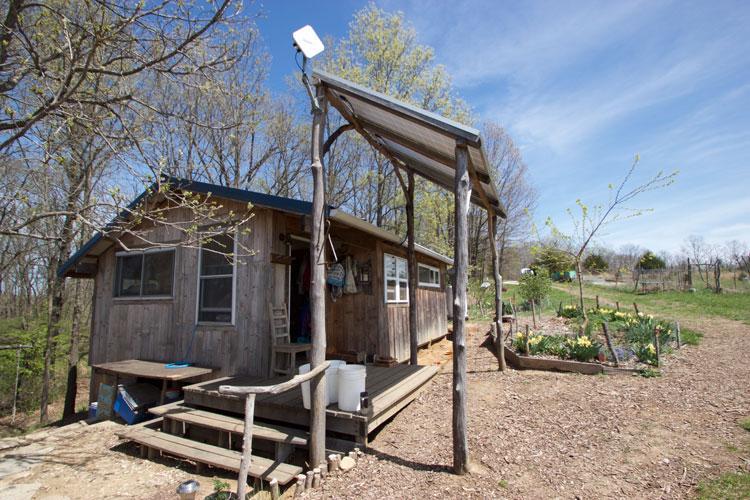
Not all off-grid journeys involve families or communities. Some individuals seek solitude and a minimalist lifestyle. These pioneers often choose tiny homes, cabins, or even converted vehicles as their base. Their stories demonstrate that you don’t need a large property or extensive resources to succeed—just determination and a clear vision.
For instance, a solo homesteader in the Pacific Northwest built a small cabin in the woods, relying on a wood stove for heat and a small solar array for electricity. By focusing on essentials and reducing consumption, they’ve achieved a high degree of independence and personal satisfaction.
Lessons Learned from Off-Grid Living Success Stories
The most valuable insights from these experiences come from overcoming obstacles. Here are some key takeaways:
- Start Small: Many successful off-gridders recommend beginning with manageable projects, such as a garden or a small solar setup, before attempting a full-scale transition.
- Embrace Learning: Mistakes are inevitable, but each one is an opportunity to gain new skills.
- Plan for the Unexpected: Weather, wildlife, and equipment failures are part of the journey. Flexibility is essential.
- Connect with Others: Whether online or in person, sharing knowledge and resources can make the process smoother and more enjoyable.
For more practical advice on sustainable routines, you might find the article on green living off-grid helpful.
How to Start Your Own Off-Grid Adventure
Taking the first step toward a more independent lifestyle can feel overwhelming, but the stories above show that it’s possible with the right mindset and preparation. Here are some practical steps to consider if you’re inspired to begin your own journey:
- Research and Plan: Read about others’ experiences, such as building an off-grid homestead, to understand the challenges and rewards.
- Assess Your Needs: Determine what level of independence you want—full off-grid living or a hybrid approach.
- Start with Essentials: Focus on food, water, shelter, and energy. Raised beds and smart coop upgrades can help jumpstart your food production.
- Build Skills: Learn basic carpentry, gardening, and maintenance skills before making the leap.
- Connect with Like-Minded People: Join online forums, attend workshops, or visit local homesteads for support and advice.
If you’re looking for more creative ways to achieve independence, check out these self-sufficient homestead ideas for practical inspiration.
Frequently Asked Questions
What Are the Biggest Challenges Faced by Off-Grid Homesteaders?
Common hurdles include securing reliable water sources, managing energy needs, dealing with isolation, and learning new skills. Many people also find that adjusting to a slower pace of life and handling unexpected repairs can be demanding at first.
How Much Does It Cost to Start Living Off the Grid?
Costs vary widely depending on location, land prices, and the level of self-sufficiency you want to achieve. Some start with a modest investment in land and basic shelter, while others invest in solar panels, water systems, and infrastructure. Starting small and expanding over time is a common approach to managing expenses.
Can You Live Off-Grid and Still Stay Connected to the Outside World?
Yes, many off-gridders use solar-powered internet, cell boosters, or satellite connections to stay in touch with friends, family, and online communities. It’s possible to maintain a balance between independence and connectivity, depending on your needs and location.
For more on sustainable routines and daily practices, visit our guide on green living off-grid.