
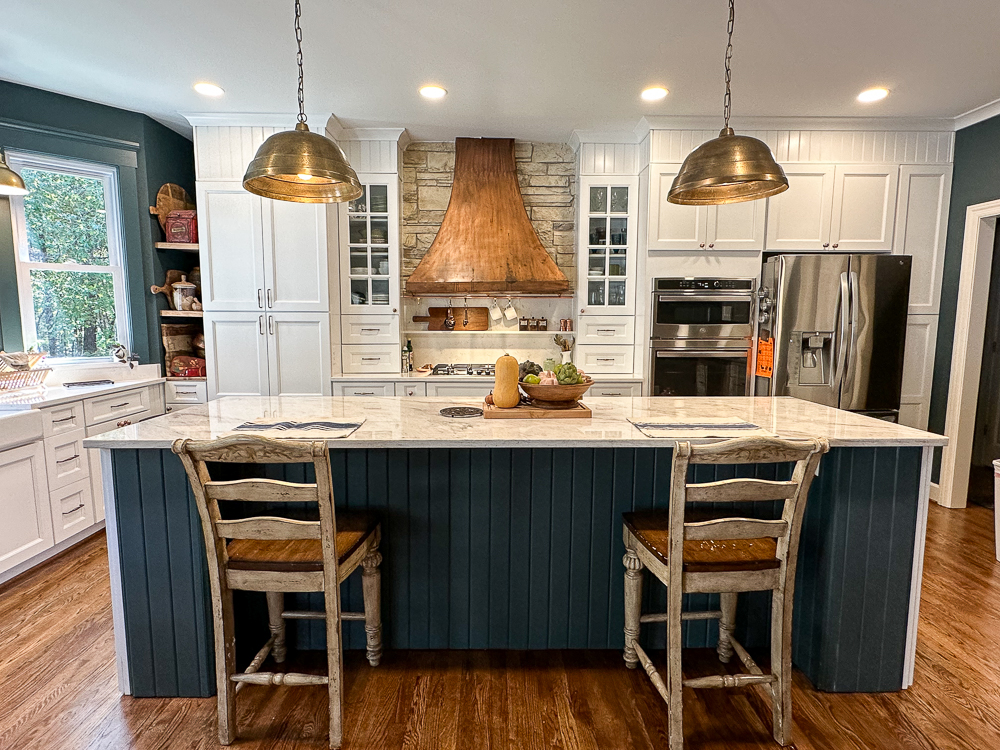

Planning a kitchen renovation involves more than just picking out new cabinets or appliances. Achieving a unified and attractive look requires careful attention to style, layout, and how each element interacts within the space. This kitchen remodeling style planning guide is designed to help homeowners and renovators create a harmonious kitchen that feels intentional and inviting, no matter the size or budget.
Whether you’re aiming for a modern, traditional, or transitional design, understanding the principles of cohesive interiors will make the process smoother and the results more satisfying. By considering everything from color palettes to hardware finishes, you can avoid common pitfalls and enjoy a kitchen that stands the test of time. For those interested in maximizing space and flow, exploring open concept kitchen remodeling ideas can provide additional inspiration.
Defining Your Kitchen’s Visual Identity
The first step in any kitchen remodeling style planning guide is to clarify the look and feel you want to achieve. Start by gathering inspiration from design magazines, online galleries, and showrooms. Pay attention to the recurring themes that appeal to you, such as color schemes, cabinet styles, and countertop materials.
- Modern Kitchens: Characterized by clean lines, minimal ornamentation, and sleek surfaces. Think flat-panel cabinets, integrated appliances, and monochromatic palettes.
- Traditional Kitchens: Feature ornate details, raised-panel cabinetry, and warm, inviting colors. Materials like wood and stone are often prominent.
- Transitional Kitchens: Blend elements of both modern and traditional styles for a balanced, timeless look.
Once you’ve identified your preferred style, create a mood board to visualize how different elements will work together. This step helps prevent mismatched finishes and ensures all choices contribute to a unified aesthetic.
Choosing a Cohesive Color Palette
Color is a powerful tool in creating a harmonious kitchen. Select a primary color for major surfaces (walls, cabinets), then add complementary or accent colors for backsplashes, hardware, and textiles. Neutral tones like whites, grays, and beiges are popular for their versatility, while bold hues can be used for a statement island or accent wall.
When planning your palette, consider the amount of natural light in your kitchen. Lighter shades can make small spaces feel larger, while darker tones add drama and sophistication to larger rooms. For more tips on balancing color and function, check out this comprehensive kitchen remodeling resource.
Coordinating Cabinets, Countertops, and Backsplashes
Cabinets are often the most visually dominant feature in a kitchen. Choose a cabinet style and finish that aligns with your overall vision. For countertops, consider durability as well as appearance—materials like quartz, granite, and butcher block each offer unique benefits and visual appeal.
Backsplashes provide an opportunity to introduce texture or pattern. Subway tile, mosaic glass, or natural stone can all complement your chosen style. The key is to ensure that cabinets, countertops, and backsplashes work together rather than compete for attention.
Lighting and Hardware: The Finishing Touches
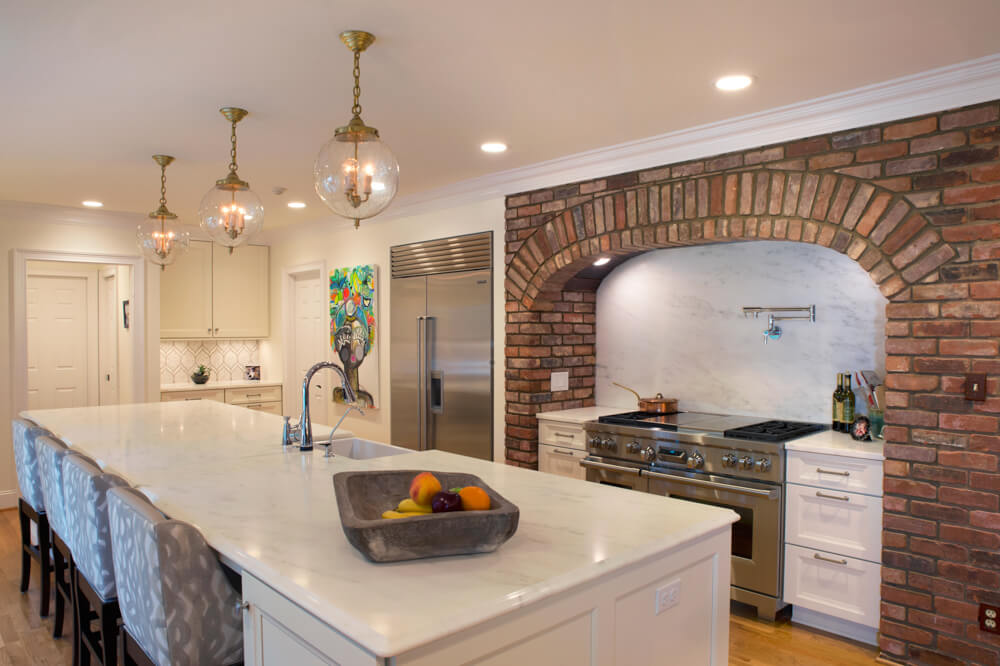
Lighting plays a crucial role in both the function and atmosphere of your kitchen. Layer ambient, task, and accent lighting to ensure the space is well-lit and inviting. Recessed fixtures, under-cabinet lights, and statement pendants can all contribute to a cohesive look.
Hardware—such as cabinet pulls, knobs, and faucets—should complement your overall design. Matching finishes (like brushed nickel or matte black) across hardware and lighting can tie the room together. For more ideas on affordable upgrades, see our guide to budget kitchen remodeling ideas.
Integrating Appliances for a Seamless Look
Appliances are essential, but they don’t have to disrupt your kitchen’s style. Many homeowners opt for built-in or panel-ready appliances that blend with cabinetry. Stainless steel remains a popular choice for its modern appeal, but black, white, and even custom-colored appliances can work well within a planned scheme.
When selecting appliances, consider both aesthetics and functionality. Consistent lines, handle styles, and finishes help maintain a unified appearance. Remember to plan for adequate ventilation and workflow, especially if you’re making significant layout changes.
Smart Layouts for Functional and Stylish Kitchens
A well-planned layout is the backbone of any successful kitchen renovation. The classic “work triangle” (sink, stove, refrigerator) remains a reliable guideline, but today’s kitchens often feature islands, peninsulas, or open shelving to enhance both style and usability.
If you’re unsure where to start, a kitchen remodeling planning checklist can help you organize your ideas and avoid overlooking important details. Prioritize clear walkways, accessible storage, and logical placement of appliances to ensure your kitchen is as practical as it is beautiful.
Common Pitfalls and How to Avoid Them
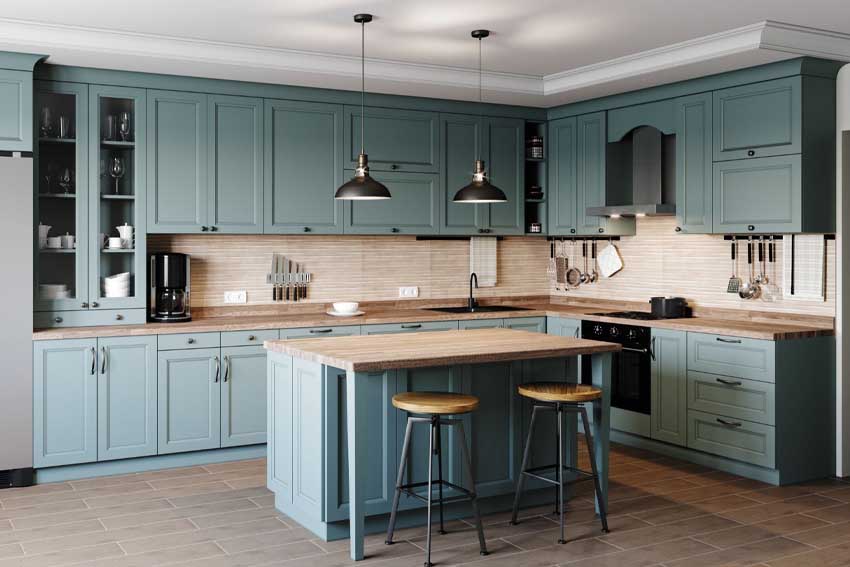
Even with careful planning, it’s easy to make mistakes that can undermine your kitchen’s visual harmony. Some of the most frequent missteps include mixing too many styles, ignoring lighting needs, and underestimating storage requirements. For a smoother renovation, review our advice on kitchen remodeling mistakes to avoid.
- Overcrowding the Space: Avoid cramming too many features or oversized furniture into a small kitchen.
- Neglecting Workflow: Ensure that the placement of appliances and work zones supports efficient movement.
- Inconsistent Finishes: Stick to a limited palette of materials and finishes for a polished look.
- Skipping Professional Advice: When in doubt, consult with a designer or contractor to refine your plans.
Timeline and Budget Considerations
Setting realistic expectations for your project’s timeline and budget is essential. Research the average timeline for kitchen remodeling to understand how long each phase may take. Factor in time for ordering materials, demolition, installation, and any unforeseen delays.
To keep costs under control, prioritize must-have features and be flexible with finishes or brands where possible. Always allocate a contingency fund for unexpected expenses. Remember, investing in quality materials and skilled labor pays off in the long run with a more durable and attractive kitchen.
Frequently Asked Questions
How do I choose a style that won’t go out of fashion?
Focus on timeless elements such as neutral color palettes, classic cabinet profiles, and quality materials. Trends can be incorporated through easily changeable features like lighting, hardware, or accessories.
What’s the best way to ensure my kitchen design is cohesive?
Start with a clear vision and mood board, then coordinate colors, materials, and finishes across all surfaces. Limit the number of competing patterns and stick to a consistent hardware finish throughout the space.
How can I maximize storage without sacrificing style?
Use clever solutions like pull-out shelves, deep drawers, and built-in organizers. Opt for cabinetry that extends to the ceiling for extra space, and consider open shelving for a modern touch without visual clutter.


