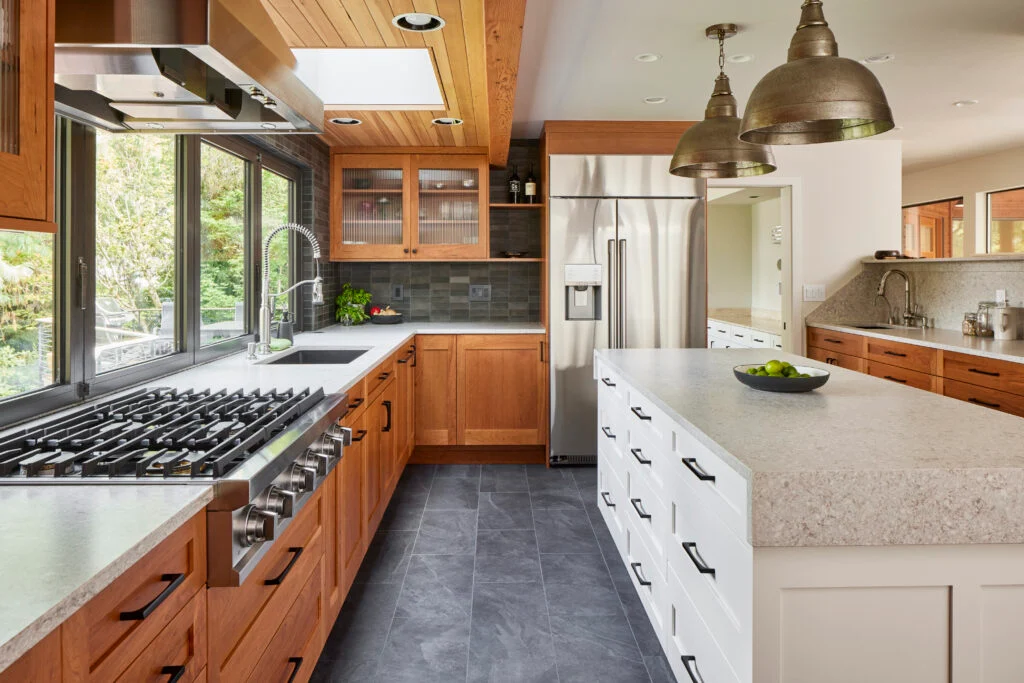

Planning a kitchen remodel with future needs in mind is a smart investment for homeowners who want to enjoy their space for many years. As people age, accessibility, safety, and comfort become increasingly important. Incorporating kitchen remodeling aging in place design tips ensures your kitchen remains functional, beautiful, and safe—no matter your stage of life.
This article explores practical strategies for creating a kitchen that adapts to changing needs. You’ll find expert advice on layout, cabinetry, lighting, and more, all focused on long-term usability. For those interested in visual harmony, consider exploring kitchen remodeling visual balance tips to complement your accessibility upgrades.
Why Plan for Aging in Place in the Kitchen?
The kitchen is often the heart of the home, but it can also present challenges as mobility and dexterity change. Slippery floors, high cabinets, and poor lighting can make daily tasks more difficult. By integrating aging in place kitchen design features, you can maintain independence and safety without sacrificing style.
Remodeling with accessibility in mind also increases your home’s value and appeal to a wider range of buyers, making it a wise choice for both current enjoyment and future resale.
Accessible Layouts for Long-Term Usability
One of the most important kitchen remodeling aging in place design tips is to focus on the layout. A well-planned kitchen should allow for easy movement, especially for those using mobility aids or wheelchairs. Here are some layout considerations:
- Open floor plans: Remove barriers and widen pathways to at least 42 inches for comfortable navigation.
- Work triangle: Keep the sink, stove, and refrigerator within easy reach, minimizing unnecessary steps.
- Accessible seating: Include a lowered section of countertop for seated meal prep or dining.
For more inspiration on cohesive interiors, see the kitchen remodeling style planning guide.
Cabinetry and Storage Solutions for All Abilities
Traditional cabinets can be difficult to access as we age. Consider these storage upgrades to make your kitchen more user-friendly:
- Pull-out shelves: These bring items to you, reducing the need to bend or reach deep into cabinets.
- Drawers instead of doors: Deep drawers are easier to open and organize than lower cabinets with shelves.
- Lazy Susans and corner units: Maximize hard-to-reach spaces with rotating trays and pull-out organizers.
- Accessible hardware: Large, easy-to-grip handles and pulls are preferable to small knobs.
For more on choosing the right hardware, explore the kitchen remodeling hardware style guide.
Safe and Comfortable Flooring Options
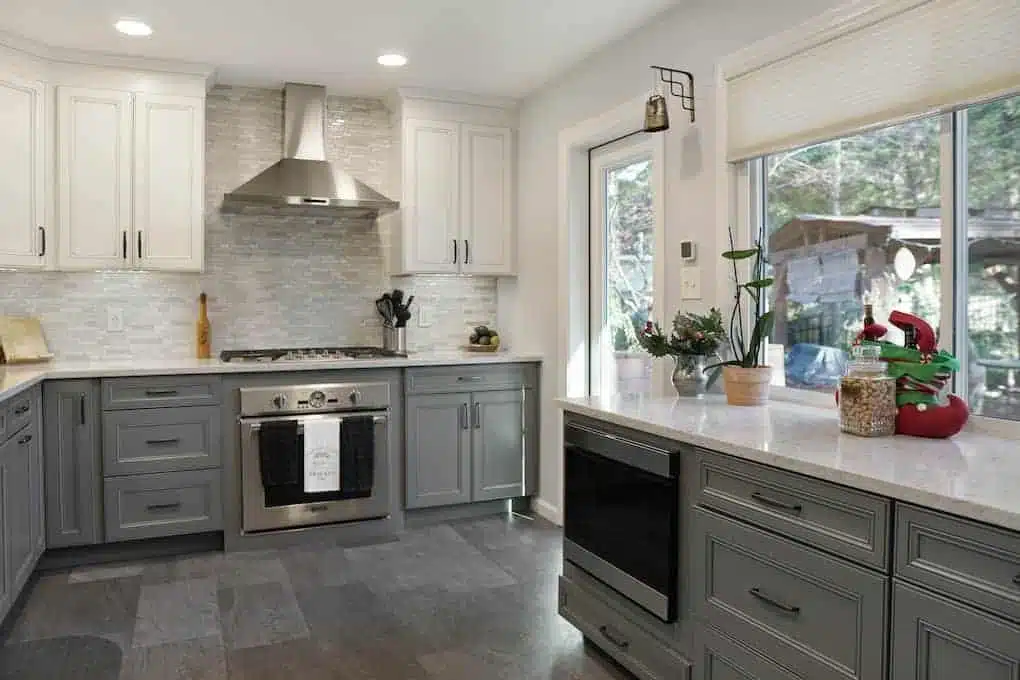
Flooring plays a major role in both safety and comfort. When selecting materials, prioritize slip resistance and ease of maintenance. Some recommended options include:
- Textured vinyl or linoleum: These surfaces are resilient, easy to clean, and provide good traction.
- Cork: Naturally cushioned and slip-resistant, cork is gentle on joints and feet.
- Low-pile tile: Choose tiles with a matte finish to reduce the risk of slipping.
Be sure to avoid rugs or mats that can bunch up or cause tripping hazards. If you want to further optimize your kitchen for cleaning and maintenance, check out kitchen remodeling cleaning zone layout ideas.
Lighting and Electrical Upgrades for Visibility and Safety
Proper lighting is essential for any kitchen, but it’s especially important for those planning to age in place. Good illumination reduces the risk of accidents and makes everyday tasks easier. Consider these upgrades:
- Layered lighting: Combine ambient, task, and accent lighting for even coverage.
- Under-cabinet lights: Illuminate work surfaces to minimize shadows and improve visibility.
- Motion sensors: Automatic lights are helpful for those with limited mobility or vision.
- Accessible switches and outlets: Install controls at reachable heights (15–48 inches from the floor) and use rocker or touch switches for ease of use.
For more lighting ideas and inspiration, browse kitchen lighting and design galleries from trusted sources.
Appliance Choices for Aging in Place
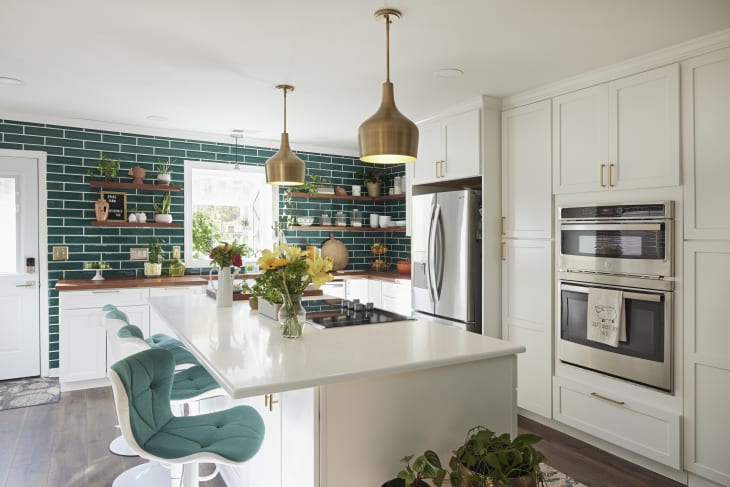
Appliances should be easy to use and positioned for accessibility. Here are some recommendations for a more inclusive kitchen:
- Wall ovens with side-opening doors: These reduce the need to reach over a hot door and make transferring dishes safer.
- Drawer-style dishwashers and microwaves: Placed at comfortable heights, these eliminate the need to bend or reach overhead.
- Induction cooktops: These stay cool to the touch, reducing burn risks.
- Refrigerators with bottom freezers: Frequently used items are at eye level, minimizing bending.
For a streamlined look, consider integrating appliances into cabinetry. For ideas, see kitchen remodeling hidden appliance ideas.
Additional Features for Comfort and Independence
Small details can make a big difference in day-to-day comfort and safety. Consider these enhancements:
- Lever-style faucets: Easier to operate than knobs, especially for those with arthritis.
- Anti-scald devices: Prevent burns by regulating water temperature.
- Seated workstations: Allow for meal prep while seated, reducing fatigue.
- Contrasting colors: Use color contrast between counters, cabinets, and floors to help those with vision changes navigate the space.
Frequently Asked Questions
What is the most important consideration for an aging in place kitchen remodel?
The most crucial factor is accessibility. Ensure pathways are wide, surfaces are easy to reach, and controls are simple to operate. Prioritizing safety and comfort will help you enjoy your kitchen for years to come.
How can I make my kitchen safer for seniors?
Install slip-resistant flooring, improve lighting, use easy-to-grip hardware, and choose appliances with accessible controls. Pull-out shelves and drawers also reduce the need to bend or stretch.
Are there stylish options for accessible kitchen design?
Absolutely. Many modern products blend universal design with contemporary style, from sleek pull-out cabinets to attractive lever faucets and under-cabinet lighting. Accessible design can be both beautiful and practical.
Conclusion
Incorporating kitchen remodeling aging in place design tips into your renovation ensures your kitchen remains safe, comfortable, and functional for the long term. By focusing on layout, storage, lighting, and appliance choices, you can create a space that adapts as your needs change. Thoughtful planning today leads to greater independence and enjoyment tomorrow.