

Maintaining a healthy home environment is more important than ever, and understanding the air you breathe indoors is a key part of that. Indoor air quality monitors provide valuable insights into the invisible pollutants and conditions that can affect your comfort and health. Whether you’re concerned about allergens, humidity, or chemical contaminants, these devices help you take control of your living space.
In this guide, we’ll break down how these monitors work, what they measure, and how to choose and use one effectively. You’ll also find practical tips for improving your home’s air and links to related resources, such as ventilation considerations during framing, to help you create a safer, more comfortable indoor environment.

Understanding How Air Quality Devices Work
At their core, air quality monitors are electronic devices designed to detect and report on various airborne substances and environmental conditions. They use a combination of sensors to measure pollutants and provide real-time feedback, often through a digital display or a connected app.
Most modern monitors can track a range of factors, including:
- Particulate Matter (PM2.5 and PM10): Tiny particles from dust, smoke, or pollen that can penetrate deep into the lungs.
- Volatile Organic Compounds (VOCs): Chemicals emitted from paints, cleaning products, and furniture.
- Carbon Dioxide (CO₂): High levels can indicate poor ventilation and cause drowsiness or headaches.
- Carbon Monoxide (CO): A dangerous, odorless gas produced by incomplete combustion.
- Humidity and Temperature: Important for comfort and to prevent mold growth.
By continuously monitoring these variables, you gain a clearer picture of your home’s air quality and can respond quickly to any issues.
Key Features to Look for in Home Air Quality Monitors
Not all monitors are created equal. When selecting a device, consider the following features to ensure it meets your needs:
- Sensor Range: Choose a model that detects the pollutants most relevant to your concerns, such as allergens or gases.
- Accuracy: Look for monitors with proven sensor technology and positive user reviews.
- Connectivity: Many devices offer Wi-Fi or Bluetooth connections, allowing you to track data on your smartphone or integrate with smart home systems.
- Alerts and Recommendations: Some monitors provide actionable advice or send alerts when levels become unsafe.
- Display and Data Logging: A clear display and the ability to log historical data can help you identify patterns and triggers.
It’s also helpful to consider where you’ll place the monitor. High-traffic areas, bedrooms, or rooms with known issues are ideal spots.
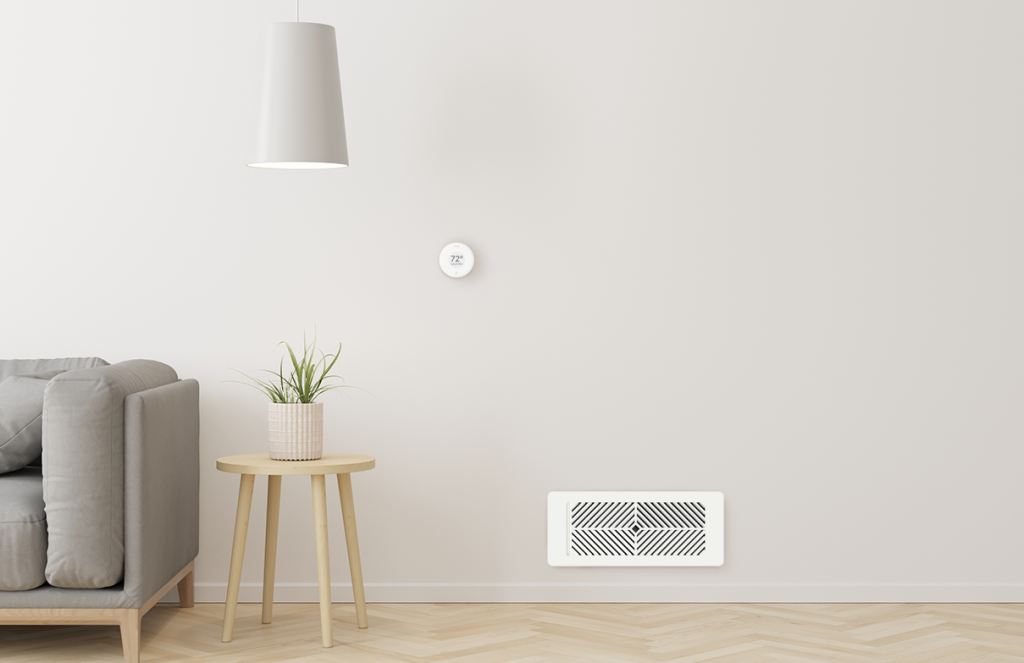
What Do Indoor Air Quality Sensors Measure?
The main job of these devices is to keep tabs on substances that can impact your well-being. Here are the most common measurements:
- Particulate Matter: Monitors can detect both PM2.5 (fine particles) and PM10 (larger particles), which are linked to respiratory issues.
- Gases: Many units measure carbon dioxide, carbon monoxide, and sometimes even radon or ozone.
- Chemical Pollutants: Volatile organic compounds are tracked due to their prevalence in modern homes.
- Environmental Conditions: Humidity and temperature sensors help you maintain a comfortable and mold-free environment.
Some advanced models even provide air quality indexes or color-coded indicators to simplify interpretation.
Why Monitoring Indoor Air Matters
Poor air quality can lead to a range of health problems, from mild irritation to serious respiratory conditions. Children, older adults, and those with allergies or asthma are especially vulnerable. Monitoring your home’s air helps you identify issues early and take steps to address them.
For example, if your monitor detects high CO₂ levels, it may be time to improve ventilation. If VOCs are elevated, you might need to switch to low-emission products or increase airflow. Regular monitoring is also useful during home renovations or after installing new furniture, as these activities can temporarily increase pollutant levels.
For more information on balancing airflow and insulation, see our article on how insulation affects ventilation.
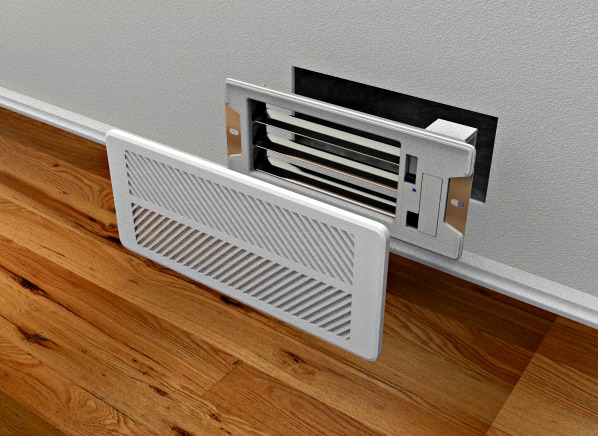
How to Use Air Quality Monitors for Healthier Living
Once you’ve chosen a monitor, proper use is key to getting the most benefit. Here are some practical steps:
- Placement: Position the device in a central area or in rooms where you spend the most time. Avoid placing it near windows, vents, or direct sources of pollution for the most accurate readings.
- Regular Checks: Review the data regularly, especially after activities like cooking, cleaning, or home improvement projects.
- Respond to Alerts: Take action if your monitor detects unsafe levels—open windows, use exhaust fans, or run an air purifier as needed.
- Maintenance: Keep the device clean and replace any filters or batteries according to the manufacturer’s instructions.
By integrating monitoring into your routine, you can make informed decisions to improve your home’s air.
Improving Indoor Air Quality: Next Steps
Monitoring is only the first step. To truly enhance your environment, consider these additional strategies:
- Increase Ventilation: Use exhaust fans, open windows, or install a whole-house fan to bring in fresh air.
- Control Sources: Choose low-VOC products, avoid smoking indoors, and store chemicals safely.
- Use Air Filtration: HEPA filters and air purifiers can reduce particulate matter and allergens.
- Maintain Humidity: Keep levels between 30% and 50% to prevent mold and dust mites.
- Regular Cleaning: Dust and vacuum frequently, and wash bedding to minimize allergens.
For more detailed information on how home ventilation works, you can visit this comprehensive guide to home ventilation systems.
If you’re renovating or updating your home, see our tips on ventilation during home renovation for best practices.
Frequently Asked Questions
What pollutants do most air quality monitors detect?
Most devices track particulate matter (PM2.5 and PM10), volatile organic compounds (VOCs), carbon dioxide (CO₂), and humidity. Some advanced models also measure carbon monoxide, formaldehyde, and even radon.
How often should I check my indoor air quality?
It’s a good idea to review your monitor’s readings daily, especially after activities that can affect air quality, such as cooking, cleaning, or using new products. Many devices offer real-time alerts for immediate action.
Can air quality monitors help with allergies?
Yes, by detecting high levels of allergens like dust, pollen, or pet dander, these monitors can help you identify triggers and take steps to reduce exposure, such as using air purifiers or increasing ventilation.
Where should I place my air quality monitor for best results?
Place the monitor in a central location away from direct sources of pollution, windows, or vents. Bedrooms and living rooms are ideal, as these are areas where you spend the most time.
For more on balancing airflow and insulation, check out our resource on air sealing and ventilation balance.

