


Ice dams in attics can be a homeowner’s winter nightmare. These icy blockages can lead to costly water damage, compromised insulation, and roof deterioration. Understanding how to prevent attic ice dams is essential for maintaining the structural integrity of your home and ensuring a safe and warm environment during the cold months.
Understanding Ice Dams
Before delving into prevention, it’s crucial to understand how ice dams form. An ice dam occurs when heat from the attic melts the snow on the roof. This water then flows down to the colder roof edges and refreezes, forming a dam. Over time, this dam can force water under shingles, leading to leaks and damage.
Signs of Ice Dams
Recognizing the signs of ice dams early can save you from extensive repairs. Look for icicles on the roof edges, water stains on ceilings, or peeling paint on exterior walls. These are clear indicators of potential ice dam issues.
Essential Prevention Strategies
1. Enhance Attic Insulation
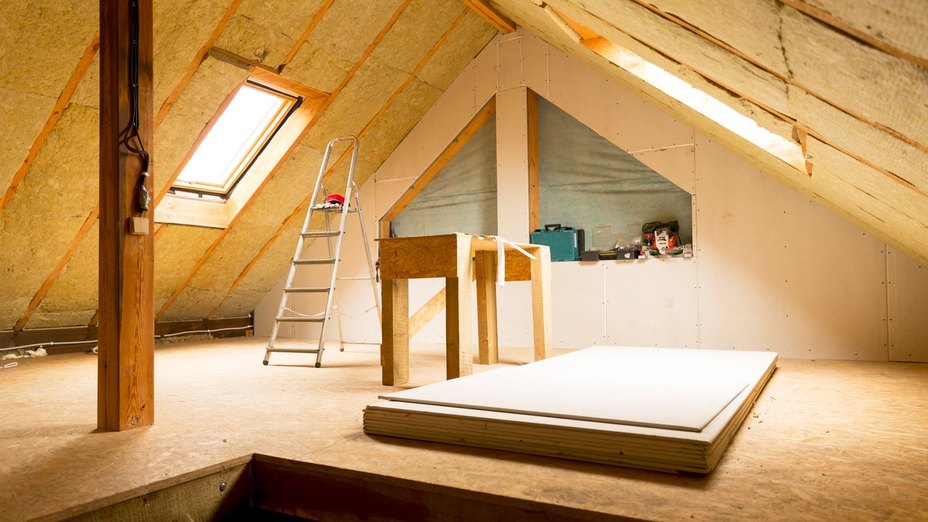
One of the most effective ways to prevent ice dams is by improving your attic’s insulation. Proper insulation keeps heat in the living spaces and out of the attic. For insulation tips, check out this guide.
2. Ensure Proper Ventilation
Ventilation is key to maintaining a cold attic. Ensure your attic has adequate soffit and ridge vents. This allows cold air to circulate and prevents heat buildup.
3. Seal Air Leaks
Air leaks can allow warm air to escape into the attic, contributing to snow melting on the roof. Use caulk or weatherstripping to seal gaps around chimneys, vents, and light fixtures.
Regular Maintenance
4. Routine Roof Maintenance
Regularly inspect your roof for damage or missing shingles. Keeping your roof in good condition can prevent water from seeping under shingles.
5. Clean Gutters and Downspouts
Ensure gutters and downspouts are clear of debris to allow melted snow to flow freely. Clogged gutters can back up and contribute to ice dam formation.
Advanced Solutions
6. Install Ice and Water Shield
Consider installing an ice and water shield under your roof. This barrier helps prevent water penetration even if ice dams form.
7. Heated Cables
Electric heating cables can be installed along roof edges to melt snow and prevent ice dam formation. They are a practical solution for homes in areas with frequent snow.
Professional Help
8. Hire Roofing Experts
For persistent issues, consult roofing professionals who can assess your home and recommend solutions tailored to your specific needs.
9. Conduct Energy Audits
An energy audit can pinpoint areas where you may be losing heat. Professionals can suggest improvements to enhance energy efficiency and prevent ice dams.
Additional Considerations
10. Attic Organization
Organizing your attic can help in identifying potential problems early. For tips on attic organization, visit this article.
11. Attic Remodeling
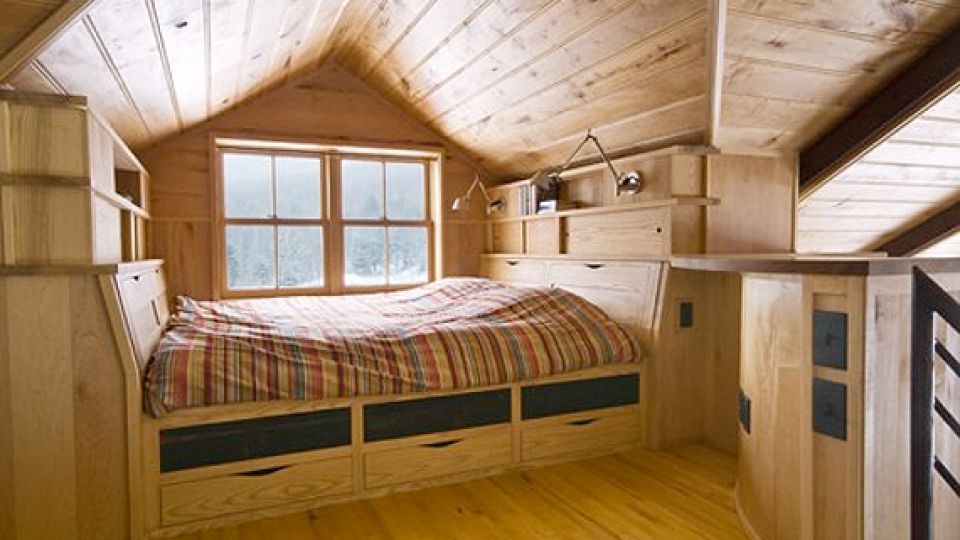
Consider remodeling your attic to improve insulation and ventilation. For inspiration, check out these attic remodel ideas.
Conclusion
Preventing attic ice dams requires proactive measures and regular maintenance. By enhancing insulation, ensuring proper ventilation, and seeking professional guidance, homeowners can protect their homes from the damaging effects of ice dams.
FAQs
1. What causes ice dams?
Ice dams are caused by heat escaping into the attic, melting snow on the roof, which then refreezes at the edges, forming a dam.
2. How do you know if you have ice dams?
Signs include icicles on roof edges, water stains on ceilings, and peeling paint on exterior walls.
3. Can ice dams damage my home?
Yes, ice dams can cause water leaks, damage insulation, and lead to roof deterioration.
This article contains affiliate links. We may earn a commission at no extra cost to you.


