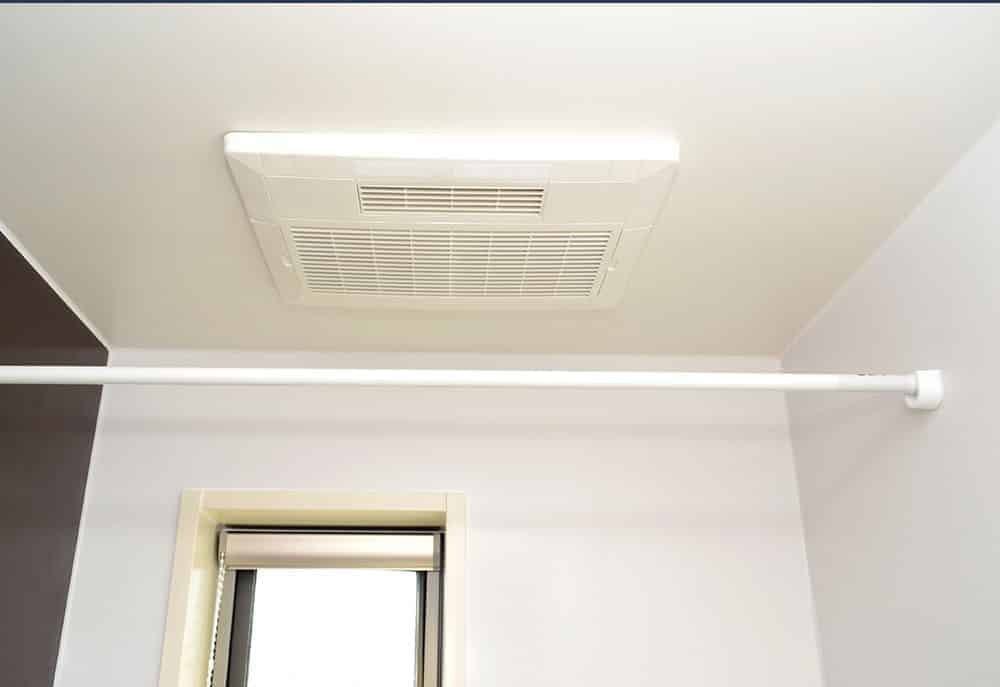

When we think of comfort in our homes or offices, the first thing that comes to mind is often a well-functioning heating, ventilation, and air conditioning (HVAC) system. However, it’s possible to maintain a comfortable indoor environment without relying on these energy-intensive systems. This guide will explore alternative methods to achieve thermal comfort, focusing on passive design principles and energy-efficient practices.
Before we delve into the specifics, it’s worth noting that many of the principles discussed in this article are rooted in passive design guidelines.
Understanding Passive Design Principles
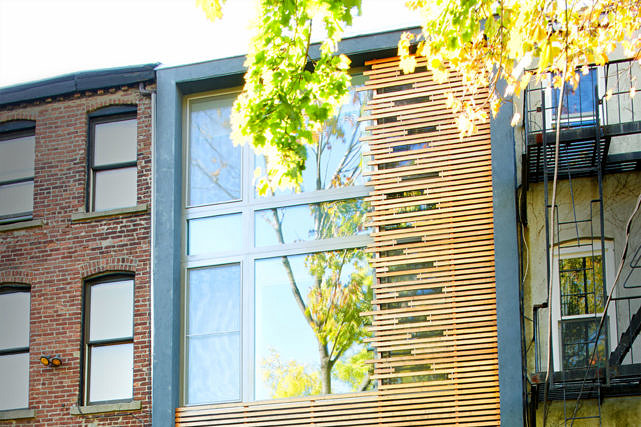
Passive design refers to the use of the sun, wind, and other natural elements to maintain a comfortable temperature and humidity level in a building. It involves strategic planning during the design phase, including the orientation of the building, the placement of windows, and the choice of materials. Learn more about these principles from the Passive House Institute US.
Implementing Energy-Efficient Practices
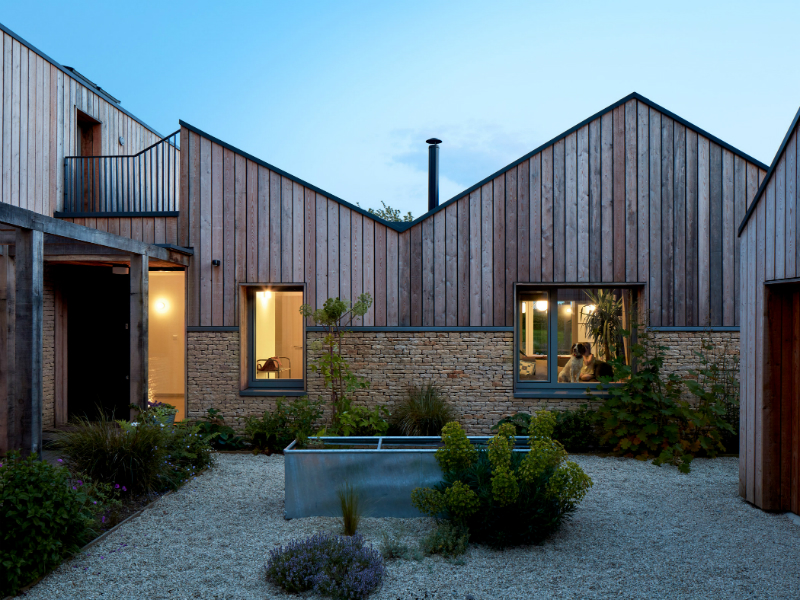
Along with passive design, implementing energy-efficient practices can also contribute to comfort without the need for HVAC systems. These practices include using energy-efficient appliances, proper insulation, and natural ventilation. Additionally, the use of renewable energy sources, such as solar power, can further reduce the reliance on traditional HVAC systems.
Conclusion
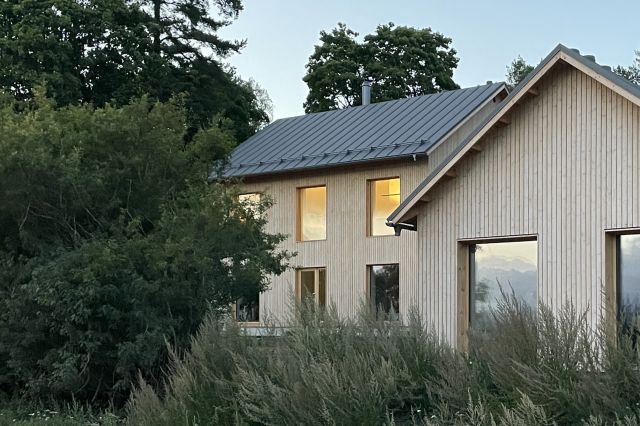
Creating a comfortable indoor environment without relying on HVAC systems is not only possible but also beneficial for both the environment and your energy bills. By implementing passive design principles and energy-efficient practices, you can enjoy a comfortable home or office year-round. If you’re interested in exploring these options, consider solar-powered fan monitoring or learn how to install panels professionally.