


Understanding the relationship between insulation and ventilation is essential for anyone looking to improve indoor air quality, energy efficiency, and overall comfort in a building. While insulation is designed to keep heat in or out, ventilation ensures a steady flow of fresh air. When these two systems work together correctly, they create a balanced indoor environment. However, if not properly coordinated, insulation can sometimes restrict airflow, leading to issues such as moisture buildup, stale air, and even mold growth.
This article explores the impact of insulation on airflow, the importance of maintaining adequate ventilation, and practical steps to achieve both energy savings and healthy indoor air. For those interested in more specific scenarios, such as managing airflow in garages or bathrooms, resources like garage ventilation basics and bathroom ventilation fundamentals provide additional guidance.
Why Insulation and Ventilation Must Work Together
The primary function of insulation is to reduce heat transfer between the inside and outside of a building. This keeps interiors warmer in winter and cooler in summer, lowering energy bills and increasing comfort. However, by creating a more airtight envelope, insulation can also limit the natural movement of air. Without proper ventilation, this can trap moisture, odors, and pollutants indoors.
Effective ventilation systems are designed to exchange stale indoor air with fresh outdoor air. When insulation is added or upgraded, it’s crucial to assess whether existing ventilation is still adequate. Otherwise, the benefits of energy savings may be offset by poor air quality or moisture problems.
How Insulation Impacts Airflow and Indoor Air Quality
Adding insulation to walls, attics, or crawl spaces can change the way air moves through a building. In older homes with little insulation, air leaks are common, allowing for some degree of passive ventilation. Modern construction techniques, however, prioritize airtightness for energy efficiency, which can inadvertently reduce necessary airflow.
This shift can lead to several challenges:
- Moisture accumulation: Without enough ventilation, moisture from cooking, bathing, and breathing can build up, increasing the risk of mold and mildew.
- Stale air: Insufficient airflow can trap odors, allergens, and indoor pollutants, affecting comfort and health.
- Pressure imbalances: Over-insulation can create negative or positive pressure zones, making mechanical ventilation systems less effective.

Balancing Energy Efficiency With Air Exchange
Achieving both energy savings and healthy air requires a thoughtful approach. Here are some key strategies:
- Assess current airflow: Before adding insulation, evaluate existing ventilation systems. Consider consulting a professional to measure air changes per hour (ACH) and identify any problem areas.
- Upgrade ventilation if needed: If insulation improvements make your home more airtight, you may need to install or upgrade exhaust fans, whole-house fans, or energy recovery ventilators (ERVs). For more on this, see proper placement of exhaust fans.
- Seal selectively: Focus on sealing gaps and cracks in areas where unwanted drafts occur, but ensure that intentional vents and air pathways remain unobstructed.
- Monitor humidity: Use a hygrometer to check indoor humidity levels. Ideally, keep relative humidity between 30% and 50% to prevent condensation and mold.
Types of Ventilation Systems and Their Compatibility With Insulation
There are several types of ventilation systems, each interacting with insulation in different ways:
- Natural ventilation: Relies on windows, vents, and passive airflow. Increased insulation can reduce the effectiveness of this approach, making mechanical solutions more important.
- Exhaust-only systems: Use fans to remove air from specific areas (like kitchens or bathrooms). These are effective but may require make-up air in tightly insulated homes.
- Supply-only systems: Bring fresh air in, but without exhaust, can lead to pressure imbalances.
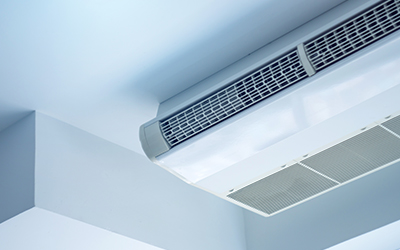
- Balanced systems: Combine supply and exhaust for optimal air exchange. Energy recovery ventilators (ERVs) and heat recovery ventilators (HRVs) are excellent for highly insulated buildings, as they maintain efficiency while providing fresh air.
For a deeper dive into how these systems work, the HomeTips guide to house ventilation systems offers a thorough overview.
Common Mistakes When Upgrading Insulation and Airflow
When improving a building’s thermal envelope, it’s easy to overlook the impact on airflow. Here are some frequent pitfalls:
- Blocking vents: Insulation installed over soffit or ridge vents can restrict attic ventilation, leading to heat and moisture buildup.
- Ignoring exhaust needs: Upgrading insulation without adding or improving exhaust fans can trap humidity and pollutants.
- Over-sealing: Making a home too airtight without providing mechanical ventilation can create unhealthy indoor conditions.
- Neglecting crawl spaces: Insulating crawl spaces without proper airflow can cause dampness and structural issues. For more, see crawl space ventilation best practices.
Best Practices for Coordinating Insulation and Ventilation
To ensure a healthy, efficient home, follow these recommendations:
- Plan upgrades together: Whenever you add insulation, review your ventilation strategy at the same time.
- Keep vents clear: Ensure that attic, soffit, and crawl space vents remain unobstructed by insulation materials.
- Install mechanical ventilation: In highly insulated homes, use exhaust fans, whole-house fans, or ERVs/HRVs to maintain air quality.
- Regularly inspect systems: Check fans, vents, and ductwork for blockages or damage, and clean filters as needed.
- Educate occupants: Make sure everyone in the home understands how to use ventilation features, especially in kitchens and bathrooms. For more, see kitchen ventilation explained.
FAQ: Insulation and Ventilation
Can adding insulation reduce the effectiveness of my home’s ventilation?
Yes, increasing insulation can make a home more airtight, which may reduce natural airflow. This is why it’s important to assess and potentially upgrade mechanical ventilation systems when adding insulation.
How do I know if my home has enough ventilation after insulating?
Signs of inadequate airflow include condensation on windows, musty odors, persistent humidity, or visible mold. A professional can measure air changes per hour to determine if additional ventilation is needed.
What’s the best way to ventilate an insulated attic?
The most effective approach is a combination of soffit and ridge vents, ensuring that insulation does not block these pathways. In some cases, adding an attic fan or upgrading to a balanced ventilation system can further improve airflow.
Are there energy-efficient ventilation options for highly insulated homes?
Yes, energy recovery ventilators (ERVs) and heat recovery ventilators (HRVs) are designed to provide fresh air while minimizing heat loss, making them ideal for well-insulated buildings.
Conclusion
The connection between insulation and ventilation is critical for creating a comfortable, healthy, and energy-efficient indoor environment. By understanding how insulation can affect airflow and taking steps to maintain proper ventilation, homeowners can enjoy the benefits of both systems without compromising air quality. For further reading on specific areas of the home, explore resources like garage ventilation basics and bathroom ventilation fundamentals.


