Green construction is gaining momentum as a revolutionary approach in today’s building industry. Emphasizing sustainability and environmental stewardship, this approach champions both economic and ecological benefits. However, like any innovation, it comes with its own pros and cons. In this article, we unravel the intricate balance of green construction pros and cons.

What is Green Construction?
Green construction is the method of erecting buildings that enhance the health of the environment through resource-efficient processes throughout a building’s life cycle. This means from planning, design, and construction, to operations, maintenance, renovation, and disposal.
The Pros of Green Construction
1. Environmental Benefits
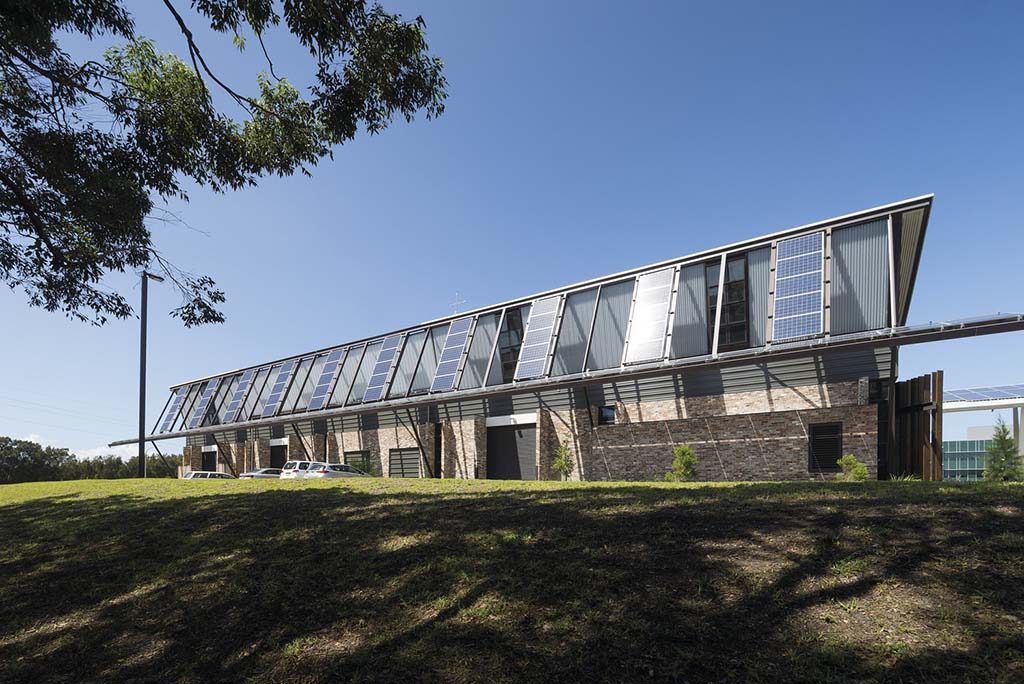
The foremost advantage is the positive environmental impact. Green buildings use less water and energy and reduce carbon footprint. These buildings incorporate renewable energy sources such as solar panels, significantly lowering dependency on non-renewable energy.
2. Economic Advantages
Though initial costs might be high, the long-term savings on energy bills are substantial. These structures often have lower maintenance costs and can demand higher lease rates, appealing to environmentally-conscious tenants.
3. Health and Wellness
Using non-toxic materials, and improving air quality, and natural lighting positively affect the health of the inhabitants. It contributes to better productivity and overall well-being.
4. Enhanced Market Value
With increasing awareness of climate change, green buildings are in demand. They often sell or rent at a higher price than conventional buildings as buyers are willing to invest in sustainable living environments.
5. Regulatory Incentives
Government incentives and policies for green practices are beneficial, providing tax rebates, grants, and other financial benefits to support sustainable development.
The Cons of Green Construction
1. Higher Initial Costs
One of the main drawbacks of green construction is the higher initial building expenses, despite the potential for savings in operational costs down the line.
2. Technology Limitations
While technology in green building has advanced substantially, there are still limitations and a learning curve when implementing these technologies into a traditional construction framework.
3. Availability of Materials
Locally sourcing sustainable materials can be a challenge and often leads to delays. Access to these specialized materials may not always be available geographically or financially feasible.
4. Limited Skilled Workforce
The demand for green construction calls for skilled professionals who are not yet widely available, leading to potentially longer project timelines and higher costs.
5. Maintenance and Repair
Eco-friendly technologies might require specialized maintenance which is not as readily available as conventional service options, potentially incurring additional costs.
Real-World Applications
Examples of world-renowned green structures include The Edge in Amsterdam, Bosco Verticale in Milan, and One Central Park in Sydney. Each of these offers practical insights into leveraging sustainable construction.
Why Should You Consider Green Construction?
Considering green construction pros and cons, the balance tips favorably towards adopting these practices due to their long-term advantages environmentally, financially, and socially.

FAQs about Green Construction
1. Is green construction expensive?
While the initial investment might be higher, the operational savings and increased building value often offset upfront expenses.
2. How does green construction benefit the environment?
It reduces energy consumption, carbon emissions, and waste, utilizing sustainable materials and processes, thereby preserving natural resources.
3. Can existing buildings be converted to green buildings?
Yes, through retrofitting measures like energy-efficient windows, insulation, renewable energy installations, and utilizing sustainable materials.
As we continue to recognize the impact of our choices on the planet, incorporating green construction becomes indispensable. Explore further on how you can make sustainable choices by visiting this Statista page or learn how to preserve water usage in homes with sustainable practices through resources like pool management.
This article contains affiliate links. We may earn a commission at no extra cost to you.