


As the concept of energy-efficient homes continues to gain momentum, an increasing number of homeowners and real estate developers are turning towards sustainable practices. Crafting an energy-efficient home requires a thoughtful selection of materials which not only minimize environmental impact but also enhance the living experience.
The materials chosen play a significant role in determining the sustainability and energy efficiency of a home. Knowing what to select can overwhelm, given the myriad of options available. But worry not, the goal is to make this journey informative and optimistic about the future of housing.
Why Opt for Energy-Efficient Materials?
The primary reason for choosing energy-efficient materials is to reduce energy consumption and lower utility bills. Additionally, these materials contribute to environmental conservation. The right choices can make homes more comfortable and increase property value.
Understanding the Basics of Energy Efficiency
Energy-efficient materials aim to offer better insulation, reduced heat transfer, and sustainable living. They are usually durable and result in lower maintenance costs over the years. Learn more about the best sustainable building practices.
Key Materials for Energy-Efficient Homes
1. Insulated Concrete Forms (ICFs)
ICFs are a strong and sturdy choice for wall systems, providing excellent insulation. They contribute to reduced energy loss and offer soundproofing, making homes quieter.
2. Structural Insulated Panels (SIPs)
SIPs are highly efficient in maintaining consistent indoor temperatures while reducing the need for heating and cooling systems. They can be used in roofs, floors, and walls, offering versatility.
3. Low-E Windows
Windows significantly contribute to a homes energy efficiency. Low-emissivity (Low-E) windows have special coatings that reflect heat while letting in light, resulting in lower heating and cooling needs.
Choosing Sustainable Flooring Options
1. Bamboo Flooring
Bamboo is a renewable resource that grows quickly and offers the aesthetic appeal of traditional wood, making it an ideal eco-friendly flooring option.
2. Recycled Hardwood
Using reclaimed or recycled hardwood reduces the demand for new wood, thus conserving forests and reducing waste.
Eco-Friendly Building Insulation Materials
1. Wool Insulation
Wool is a natural material offering excellent insulation properties. It is biodegradable and a sustainable choice for those seeking eco-friendly insulation.
2. Cellulose Insulation
Primarily made from recycled paper, cellulose insulation is a cost-effective and efficient option. Its production process emits less pollution than traditional insulation materials.
Exterior and Interior Paints
1. Low-VOC Paints
Low volatile organic compound (VOC) paints emit fewer toxic fumes, making indoor air safer to breathe and much healthier over time.
Harnessing Solar Energy
Solar Panels
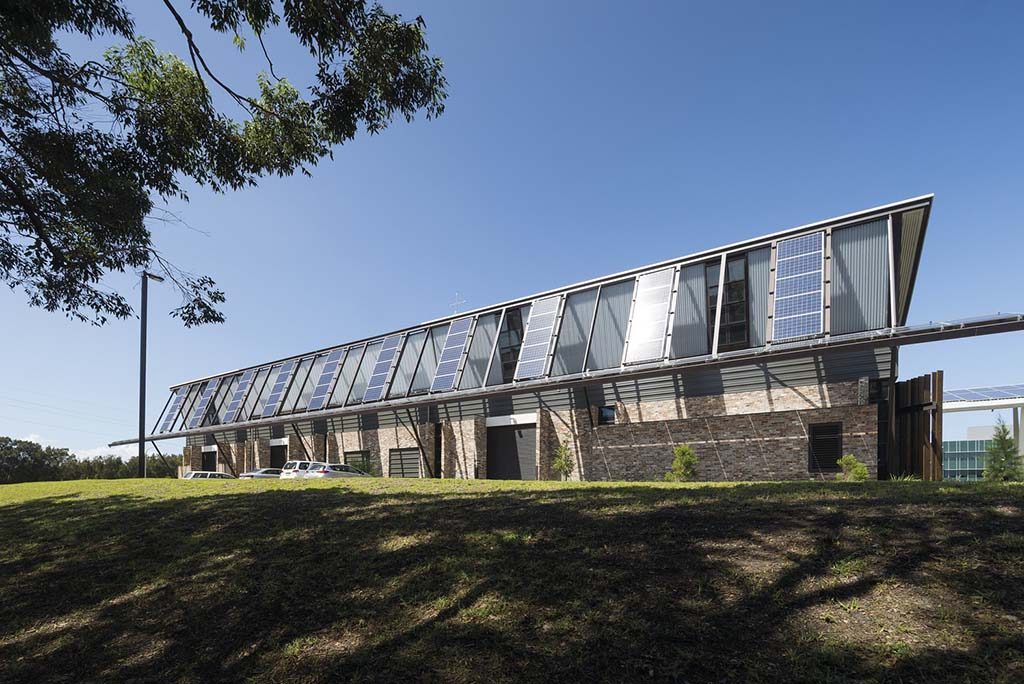
Installing solar panels is one of the best ways to harness renewable energy. This choice can significantly cut down on electricity usage and even cover a home’s energy needs entirely in some cases.
Additional Sustainable Practices
Understanding green-building principles can enhance the process of selecting materials.
Water-Saving Fixtures
Installing low-flow faucets and showerheads can conserve water, reducing both consumption and associated costs.
Efficient Lighting
Switching to LED lights can vastly decrease energy consumption compared to traditional bulbs and are a common LEED certification strategy.
Conclusion: Moving Towards a Greener Future
As we embark on the journey to build more sustainable homes, each choice we make regarding materials plays a crucial role. The benefits of opting for an energy-efficient homes materials list are both immediate and far-reaching, impacting both the planet and our quality of life. For further guidance, explore our guide on green construction steps.
FAQ
1. What is the most crucial material for energy-efficient homes?
Insulation is often considered one of the most crucial materials as it directly affects energy consumption for heating and cooling.
2. How can homeowners ensure they choose the right materials?
Research and consulting with professionals can guide homeowners in selecting appropriate materials that meet energy efficiency standards.
3. Are energy-efficient materials cost-effective in the long run?
Yes, though initial costs may be higher, energy-efficient materials often result in lower utility bills and less maintenance, offering significant savings over time.
This article contains affiliate links. We may earn a commission at no extra cost to you.
