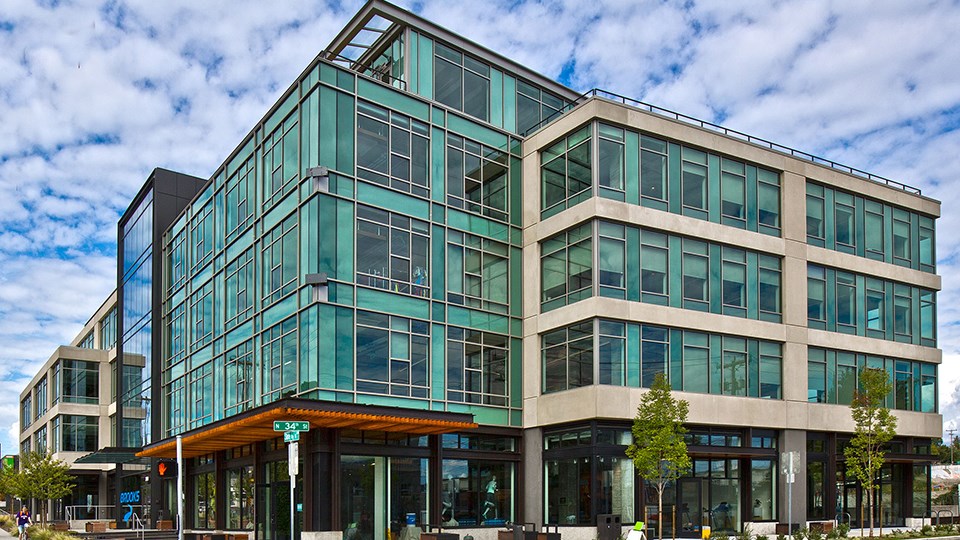
In the quest for sustainability, choosing eco-friendly building materials is a crucial step. These materials minimize environmental impact, improve energy efficiency, and contribute to healthier indoor environments. This guide will explore various eco-friendly building materials, their benefits, and practical tips for integrating them into your construction project.
Understanding Eco-Friendly Building Materials
Eco-friendly building materials are those that have a reduced impact on the environment throughout their lifecycle, from production to disposal. They are sourced responsibly, have low embodied energy, and contribute to the overall sustainability of a building.
Key Benefits of Eco-Friendly Building Materials
- Reduced Environmental Impact: Minimize resource depletion and pollution.
- Energy Efficiency: Often contribute to lower energy consumption in buildings.
- Healthier Living Spaces: Improve indoor air quality by reducing harmful emissions.
- Durability: Typically more resilient and longer-lasting, reducing the need for frequent replacements.
Types of Eco-Friendly Building Materials
1. Recycled and Reclaimed Materials
Recycled Steel
Recycled steel is produced from scrap metal, significantly reducing the energy required compared to new steel production. It is highly durable and can be used in various structural applications.
- Benefits:
- Reduces waste and energy consumption.
- Extremely strong and long-lasting.
- Versatile for use in framing, roofing, and other structural components.
Reclaimed Wood

Reclaimed wood is sourced from old buildings, barns, and other structures. It is repurposed for new construction, adding character and sustainability to projects.
- Benefits:
- Reduces the need for new timber, preserving forests.
- Adds unique aesthetic appeal with a history.
- Often more durable than new wood due to its age and quality.
Recycled Insulation
Recycled insulation materials, such as cellulose (made from recycled newspaper) and denim insulation (made from recycled jeans), offer excellent thermal performance and sustainability.
- Benefits:
- Utilizes waste products, reducing landfill.
- Provides effective thermal and sound insulation.
- Often more environmentally friendly than traditional fiberglass insulation.
2. Natural and Renewable Materials
Bamboo
Bamboo is a rapidly renewable resource, growing much faster than traditional timber. It is used for flooring, cabinetry, and structural elements.
- Benefits:
- Extremely fast-growing and renewable.
- Strong and durable, comparable to hardwood.
- Versatile for various applications.
Cork
Cork is harvested from the bark of cork oak trees, which regenerates, making it a renewable resource. It is used for flooring, insulation, and wall coverings.
- Benefits:
- Harvesting does not harm the tree, allowing continuous production.
- Excellent thermal and acoustic insulation properties.
- Naturally resistant to mold, mildew, and pests.
Straw Bales
Straw bales are used as a natural building material for walls, providing excellent insulation. They are a byproduct of grain production, making them a sustainable choice.
- Benefits:
- Highly renewable and abundant resource.
- Excellent thermal insulation properties.
- Cost-effective and low embodied energy.
3. Low-Emission and Non-Toxic Materials
Low-VOC Paints and Finishes
Low-VOC (volatile organic compounds) paints and finishes emit fewer harmful chemicals into the air, improving indoor air quality.
- Benefits:
- Reduces indoor air pollution.
- Safer for occupants and workers.
- Available in a wide range of colors and finishes.
Natural Flooring Materials
Natural flooring options, such as linoleum (made from linseed oil) and natural stone, are free from synthetic chemicals and provide a sustainable flooring solution.
- Benefits:
- Non-toxic and low-emission.
- Durable and long-lasting.
- Aesthetic variety with natural beauty.
Eco-Friendly Adhesives and Sealants
Eco-friendly adhesives and sealants have low or no VOCs and are made from natural or recycled materials.
- Benefits:
- Reduce exposure to harmful chemicals.
- Improve indoor air quality.
- Perform well in various applications, from flooring to cabinetry.
4. Innovative and High-Performance Materials
Structural Insulated Panels (SIPs)
SIPs are high-performance building panels used for walls, roofs, and floors. They consist of an insulating foam core sandwiched between two structural facings, typically oriented strand board (OSB).
- Benefits:
- High thermal performance, reducing energy consumption.
- Quick and easy to install, reducing construction time.
- Strong and durable, providing a solid structure.
Cross-Laminated Timber (CLT)
CLT is an engineered wood product made by layering timber in perpendicular directions, creating a strong and stable panel. It is used for walls, floors, and roofs.
- Benefits:
- Uses renewable wood resources.
- Provides excellent structural strength and stability.
- Reduces construction time with prefabricated panels.
Rammed Earth
Rammed earth is a natural building technique using compressed earth to create solid walls. It offers thermal mass and sustainability.
- Benefits:
- Uses locally sourced, natural materials.
- Provides excellent thermal mass, regulating indoor temperatures.
- Highly durable and low-maintenance.
Practical Tips for Choosing Eco-Friendly Building Materials
1. Research and Verify
- Certifications: Look for materials certified by reputable organizations, such as LEED, Energy Star, or FSC (Forest Stewardship Council).
- Manufacturer Claims: Verify the sustainability claims of manufacturers and choose those with transparent and credible information.
2. Prioritize Local and Regional Materials
- Local Sourcing: Choose materials sourced locally or regionally to reduce transportation energy and support local economies.
- Regional Suitability: Select materials suited to the local climate and conditions to enhance performance and durability.
3. Consider Lifecycle Impact
- Embodied Energy: Assess the total energy used in the production, transportation, and disposal of materials.
- Durability and Maintenance: Opt for materials that are long-lasting and require minimal maintenance, reducing the need for frequent replacements.
4. Balance Cost and Benefits
- Initial Cost vs. Long-Term Savings: While eco-friendly materials may have a higher upfront cost, consider the long-term savings in energy, maintenance, and health benefits.
- Budget Planning: Allocate budget for key sustainable materials and prioritize those with the most significant impact on energy efficiency and indoor air quality.
5. Engage Professionals
- Consult Experts: Work with architects, builders, and designers experienced in sustainable construction to ensure proper selection and implementation of eco-friendly materials.
- Green Building Programs: Consider participating in green building programs or certifications that provide guidance and incentives for using sustainable materials.
Conclusion
Choosing eco-friendly building materials is a vital step in creating sustainable, energy-efficient, and healthy homes. By understanding the types of materials available, their benefits, and practical tips for selection, you can make informed decisions that contribute to a greener future. Embrace the principles of sustainability in your construction project and enjoy the long-term benefits of eco-friendly living.