
When it comes to home improvement projects, understanding the different attic roof framing types is crucial. Whether you’re a homeowner looking to maximize your attic’s potential or a real estate developer aiming to add value to properties, this guide will provide you with the insights needed to make informed decisions. Roof framing plays a pivotal role in the structural integrity and usability of an attic space.
Understanding the Basics of Roof Framing
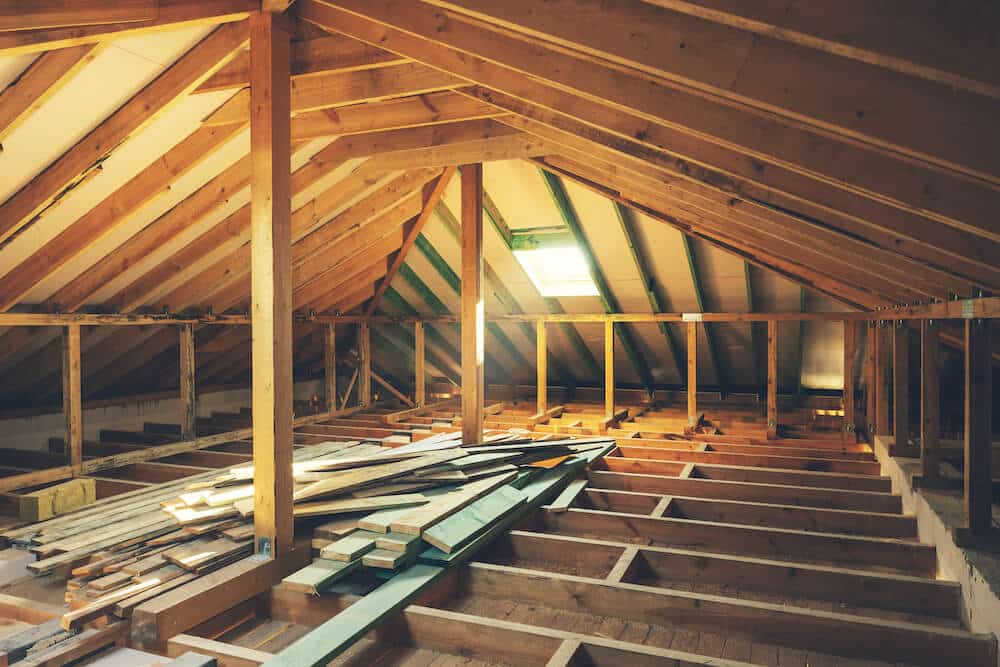
Before diving into the various attic roof framing types, it’s essential to understand the basics of roof framing. Roof framing is the process of creating the skeletal structure of a roof, which supports the roof covering. This framework consists of rafters, trusses, and other structural components that form the shape and support of the roof. Proper framing ensures stability, durability, and safety.
Components of Roof Framing
The primary components of roof framing include:
- Rafters: These are the sloping beams that run from the ridge of the roof to the eaves, providing support for the roof deck and covering.
- Trusses: Prefabricated triangular structures that support the roof load and provide stability. They are often used in modern construction for their efficiency and strength.
- Collar Ties: Horizontal beams that connect pairs of opposing rafters, preventing them from spreading apart.
- Ceiling Joists: Horizontal beams that provide support for the ceiling below the attic space.
Exploring Different Attic Roof Framing Types
There are several attic roof framing types, each with its unique advantages and considerations. Understanding these types will help you choose the best option for your specific needs and preferences.
1. Gable Roof Framing
The gable roof is one of the most common and recognizable roof framing types. It features two sloping sides that meet at a ridge, creating a triangular shape. Gable roofs are popular for their simplicity and efficiency, providing ample attic space. They are ideal for regions with heavy rainfall or snow, as the steep slope allows for easy drainage.
2. Hip Roof Framing
Hip roofs have four sloping sides that meet at a ridge, forming a more complex structure than gable roofs. This design offers excellent stability and is suitable for areas prone to high winds. Hip roofs provide additional attic space and are aesthetically pleasing, making them a popular choice for homeowners and developers.
3. Mansard Roof Framing
The mansard roof, also known as a French roof, features four sides with two slopes on each side. The lower slope is steeper than the upper slope, creating a unique and elegant appearance. Mansard roofs offer significant attic space and are often used in historic and architectural designs.
4. Gambrel Roof Framing
Gambrel roofs, commonly seen on barns, feature two slopes on each side, with the lower slope being steeper than the upper one. This design maximizes attic space and provides a rustic charm. Gambrel roofs are popular in rural and agricultural settings.
5. Flat Roof Framing
Flat roofs have a minimal slope and are often used in modern and contemporary designs. While they may not offer as much attic space as other framing types, they provide a sleek and minimalist look. Proper drainage and maintenance are essential to prevent water accumulation on flat roofs.
Factors to Consider When Choosing Roof Framing Types
When selecting a roof framing type for your attic, several factors should be considered:
Climate and Weather
The climate and weather conditions in your area play a significant role in determining the most suitable roof framing type. For example, gable roofs are ideal for regions with heavy snow, while hip roofs provide stability in windy areas.
Architectural Style
The architectural style of your home should align with the chosen roof framing type. Mansard roofs, for instance, complement historic and French-inspired designs, while flat roofs suit modern aesthetics.
Budget and Cost
Your budget will influence the choice of roof framing type. Some designs, like mansard roofs, may require more materials and labor, impacting the overall cost. Consider your budget when selecting a framing type.
Space and Functionality
Consider how you plan to use your attic space. If you need ample storage or additional living space, a gambrel or mansard roof may be the best choice. Flat roofs, while stylish, may limit attic usability.
Enhancing Attic Functionality and Design
Once you’ve chosen the appropriate attic roof framing type, you can explore ways to enhance your attic’s functionality and design. Here are some tips to make the most of your attic space:
Insulation and Ventilation
Proper insulation and ventilation are essential for maintaining a comfortable and energy-efficient attic. Insulate the walls and roof to prevent heat loss in winter and heat gain in summer.
Ensure adequate ventilation to prevent moisture buildup, which can lead to mold and structural damage. Consider installing attic vents and fans to improve air circulation.
Lighting and Accessibility
Good lighting is crucial for creating a functional attic space. Install windows or skylights to bring in natural light, and add artificial lighting fixtures for evening use. Ensure easy access to the attic with a sturdy staircase or pull-down ladder.
Creative Use of Space
Get creative with your attic design to maximize its potential. Consider converting the attic into a home office, guest room, or even a cozy reading nook. Utilize built-in storage solutions to keep the space organized and clutter-free.
For more ideas on how to transform your attic space, you can explore [attic home office ideas](https://brucemasseyconstruction.com/attic-home-office-ideas/).
FAQs About Attic Roof Framing Types
1. What is the best roof framing type for a snowy climate?
For snowy climates, gable roofs are an excellent choice due to their steep slope, which allows for efficient snow shedding and prevents snow accumulation.
2. Can I convert my attic into a living space?
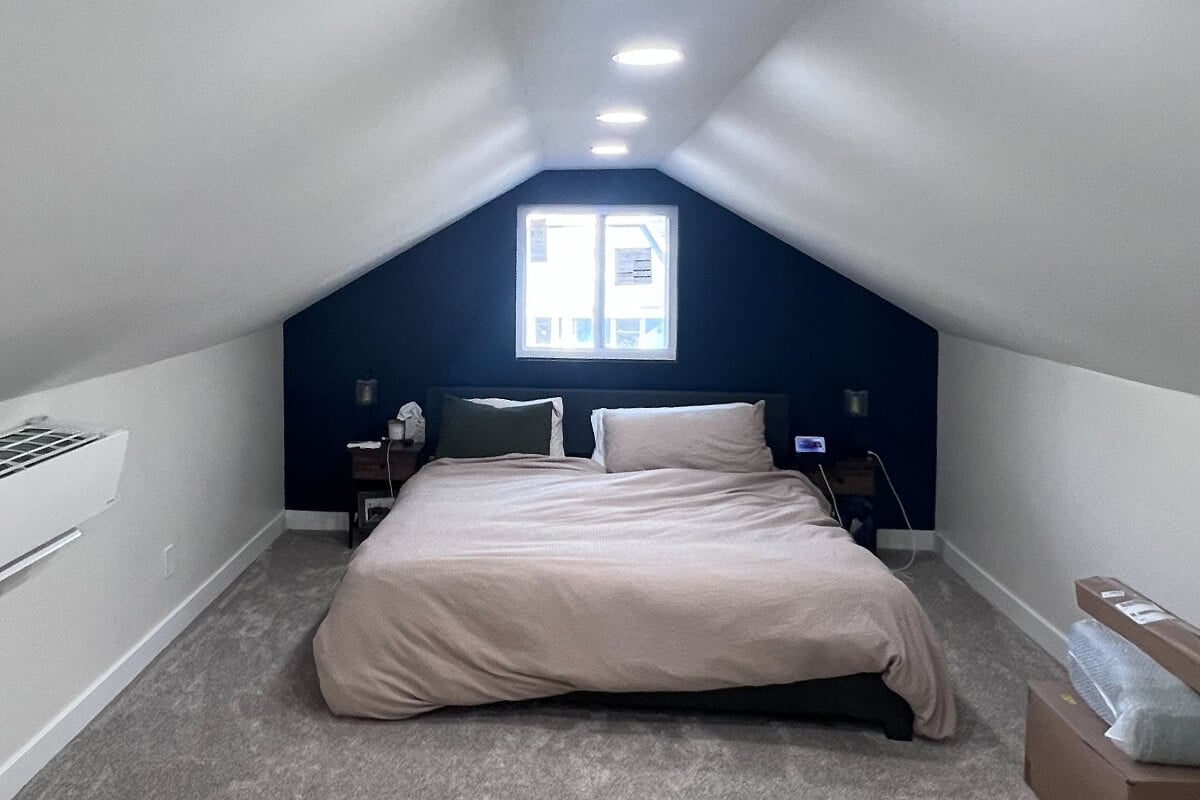
Yes, you can convert your attic into a living space with proper planning and design. Consider factors like insulation, ventilation, and lighting to create a comfortable and functional area.
3. How do I choose the right roof framing type for my home?
Consider factors such as climate, architectural style, budget, and intended use of the attic space when choosing a roof framing type. Consulting with a professional architect or contractor can also provide valuable insights.
For additional tips on improving your attic’s functionality, check out [benefits of attic dehumidifiers](https://brucemasseyconstruction.com/benefits-of-attic-dehumidifiers/).
For more information on the importance of proper roof and attic ventilation, visit [Owens Corning](https://www.owenscorning.com/en-us/roofing/blog/why-proper-roof-and-attic-ventilation-is-important-for-your-home) (rel=’nofollow’).
For creative ideas on transforming your attic, explore [attic remodeling ideas](https://www.lowes.com/n/ideas-inspiration/attic-remodeling-ideas) (rel=’nofollow’).
This article contains affiliate links. We may earn a commission at no extra cost to you.