
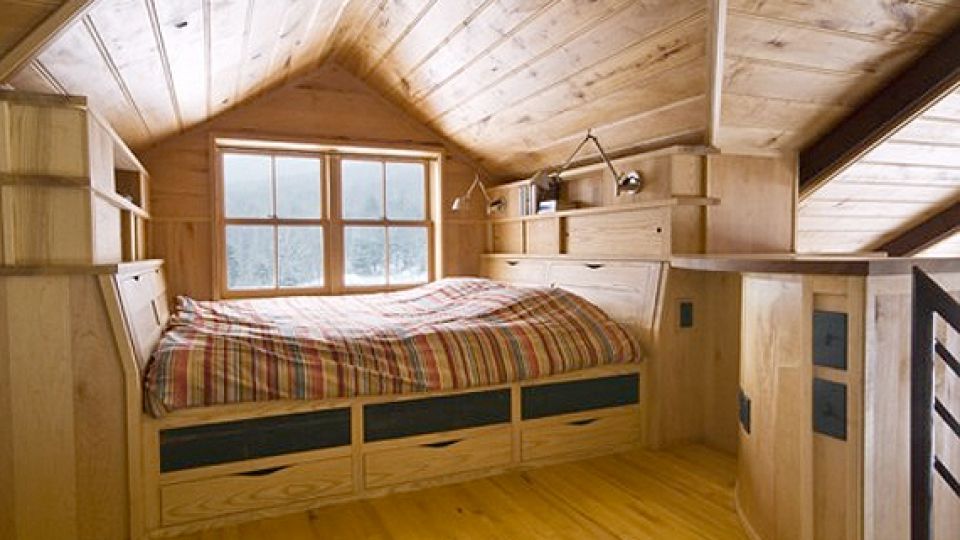

As a homeowner, you might be exploring ways to make your home more energy-efficient and cozy throughout the year. One effective solution is attic roof deck insulation. By focusing on your attic, you can significantly improve your home’s energy efficiency and reduce heating and cooling costs. In this guide, we’ll explore the importance, benefits, and methods of insulating your attic roof deck, offering insights into why it’s a smart investment for every homeowner.
Understanding Attic Roof Deck Insulation
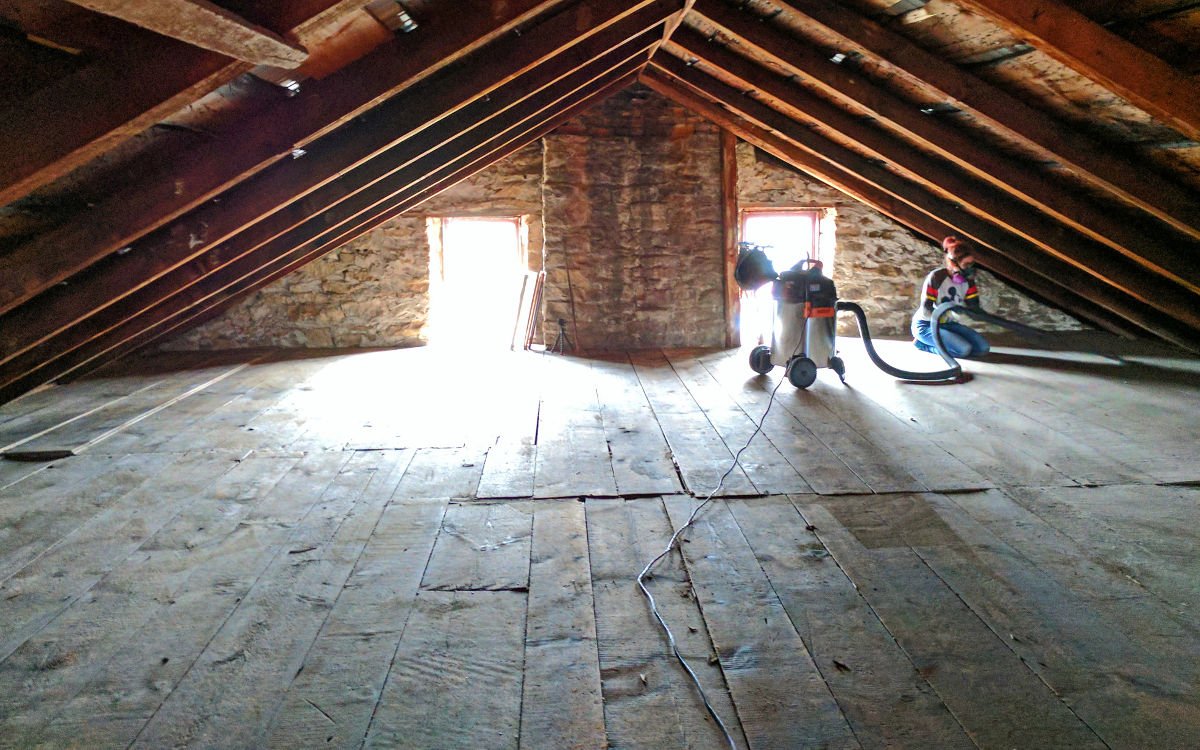
Before diving into the different types of insulation, it’s essential to understand what attic roof deck insulation entails. Simply put, it involves adding insulating materials to the roof deck, which is the structural surface underneath the roof covering. This process helps in maintaining a balanced temperature inside your home by preventing heat loss in the winter and heat gain in the summer.
Benefits of Insulating Your Attic Roof Deck
Energy Efficiency
One of the primary benefits of attic roof deck insulation is enhanced energy efficiency. By reducing the amount of energy needed to heat and cool your home, you can lower your utility bills significantly. Additionally, it contributes to a more sustainable environment by reducing your carbon footprint.
Improved Indoor Comfort
Insulating your attic roof deck also improves indoor comfort. Proper insulation maintains a consistent temperature throughout your home, eliminating cold drafts and hot spots. This is especially beneficial during extreme weather conditions.
Increased Home Value
Investing in attic insulation can increase your home’s resale value. Prospective buyers often seek energy-efficient homes, and a well-insulated attic can be a significant selling point. It showcases your commitment to maintaining the property and highlights potential savings for future owners.
Types of Attic Roof Deck Insulation
Fiberglass Insulation
Fiberglass insulation is one of the most common types used for attics. It consists of fine glass fibers and is available in batts, rolls, or loose-fill forms. This type of insulation is relatively affordable and easy to install, making it a popular choice among homeowners.
Spray Foam Insulation
Spray foam insulation is a highly effective option for attic roof deck insulation. It expands upon application, filling in gaps and creating an airtight seal. This type of insulation is particularly beneficial for irregularly shaped spaces and hard-to-reach areas.
Cellulose Insulation
Made from recycled paper products, cellulose insulation is an eco-friendly option. It is treated with fire-retardants and insect repellents, providing added safety and durability. Cellulose insulation is an excellent choice for homeowners looking to reduce their environmental impact.
Installation Methods for Attic Roof Deck Insulation
DIY vs. Professional Installation
While some homeowners may choose to tackle insulation as a DIY project, it’s essential to consider the complexity and potential challenges. Professional installation ensures that the job is done correctly and efficiently, maximizing the benefits of your investment.
Preparing Your Attic
Before insulation installation, thorough preparation of your attic is crucial. This involves clearing out any existing insulation, sealing air leaks, and addressing any moisture or pest issues. Proper preparation ensures that the new insulation performs optimally.
Choosing the Right Insulation
Choosing the appropriate insulation for your attic roof deck involves considering factors like climate, budget, and personal preferences. Consulting with an insulation expert can help you make an informed decision that aligns with your needs and goals.
Maintenance and Upkeep
Regular maintenance is essential to ensure the longevity and effectiveness of your attic roof deck insulation. Periodically check for any signs of damage, moisture, or pest infestations. Addressing these issues promptly will prevent further problems and maintain the insulation’s performance.
The Role of Ventilation
Proper ventilation is a critical aspect of attic insulation. It helps regulate temperature and moisture levels, preventing issues like mold growth and wood rot. Ensuring adequate ventilation in your attic will complement the insulation and enhance overall home comfort.
Cost Considerations
The cost of attic roof deck insulation varies depending on factors like the type of insulation, installation method, and the size of your attic. While the initial investment may seem significant, the long-term savings on energy bills and increased home value make it a worthwhile endeavor.
Common Challenges and Solutions
Addressing Air Leaks
Air leaks can undermine the effectiveness of attic insulation. Identifying and sealing these leaks is crucial to maintaining the integrity of the insulation. Use caulking or weatherstripping to seal gaps around windows, doors, and other openings.
Managing Moisture Levels
Excess moisture in the attic can lead to mold growth and structural damage. Installing a dehumidifier or ensuring proper ventilation can help manage moisture levels. Regular inspections will help identify and address any moisture-related issues promptly.
Environmental Impact
Choosing environmentally friendly insulation materials, like cellulose, contributes to a more sustainable home. Additionally, proper insulation reduces energy consumption, lowering your carbon footprint and promoting eco-friendly living.
Conclusion
In conclusion, investing in attic roof deck insulation is a smart decision for homeowners looking to enhance energy efficiency, comfort, and home value. By understanding the different types of insulation, installation methods, and maintenance practices, you can make informed choices that align with your needs and goals. Remember, a well-insulated attic not only benefits your home but also contributes to a more sustainable future.
FAQs
1. How long does attic insulation last?
Attic insulation can last anywhere from 20 to 30 years, depending on the type of insulation and maintenance practices. Regular inspections and upkeep can extend its lifespan.
2. Can I insulate my attic myself?
While DIY insulation is possible, professional installation is recommended to ensure optimal performance and safety. Professionals have the expertise to address potential challenges and ensure a thorough installation.
3. What is the best type of insulation for attics?
The best type of insulation depends on various factors, including budget, climate, and personal preferences. Fiberglass, spray foam, and cellulose are popular choices, each offering unique benefits.
This article contains affiliate links. We may earn a commission at no extra cost to you.

