When it comes to maintaining the integrity of your home, understanding the importance of an attic moisture barrier is crucial. This guide will walk you through everything you need to know about keeping your attic dry and damage-free.
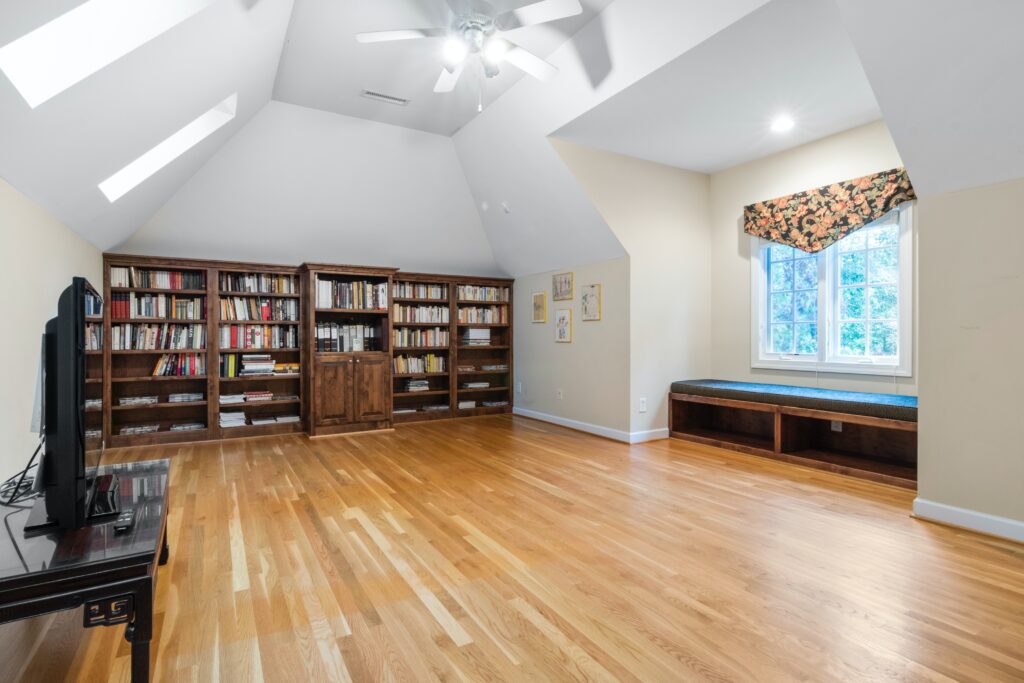
Why is an Attic Moisture Barrier Important?
An attic moisture barrier plays a pivotal role in protecting your home from water damage. By preventing moisture from seeping into your attic, you can avoid costly repairs and maintain the structural integrity of your home.
Understanding Moisture in the Attic
What Causes Moisture in the Attic?
Moisture in the attic is often caused by a combination of poor ventilation, leaks from the roof, and condensation. Identifying these issues early can help prevent long-term damage.
Signs of Moisture Problems
Signs that your attic might be suffering from moisture problems include damp insulation, mold growth, and a musty odor. Regular inspections can help catch these signs before they become severe.
Choosing the Right Moisture Barrier
Types of Moisture Barriers
There are various types of moisture barriers available, including vapor barriers, radiant barriers, and waterproofing membranes. Each serves a specific purpose and might be more suitable for different climates and attic designs.
Installation Tips for Moisture Barriers
Proper installation is key to ensuring the effectiveness of your moisture barrier. It is advisable to hire professionals or follow detailed instructions to avoid common pitfalls. For more detailed installation tips, you can refer to HVAC ductwork tips.
Maintaining Your Attic’s Health
Ventilation and Airflow
Good ventilation is essential for preventing moisture buildup in the attic. Installing vents and ensuring there is adequate airflow can significantly reduce the risk of moisture problems.
Regular Inspections
Conducting regular inspections can help you spot potential issues early. Look for leaks, mold, and any signs of dampness. For more on attic maintenance, check out attic dehumidifiers.
DIY vs Professional Installation
Pros and Cons
Deciding between DIY and professional installation depends on your skill level and the complexity of your attic. While DIY might save money upfront, professional installation ensures peace of mind and quality work.
Hiring a Professional
When hiring a professional, look for certified contractors with experience in attic moisture barrier installation. This ensures that you receive expert guidance and service.
Long-term Benefits of a Moisture Barrier
Installing a moisture barrier in your attic offers long-term benefits such as reduced energy costs, protection against mold, and increased home value. It’s an investment that pays off over time.
Common Mistakes to Avoid
Common mistakes include improper installation and choosing the wrong type of barrier. Avoid these by doing thorough research and consulting with professionals.
Advanced Tips for Optimal Results
Consider pairing your moisture barrier with additional insulation or a radiant barrier for maximum efficiency. This combination can significantly enhance your home’s energy performance.
Conclusion
An attic moisture barrier is an essential component of a well-maintained home. By understanding its importance, choosing the right type, and ensuring proper installation, you can protect your home from moisture-related damages. For more ideas on attic renovation, visit Maison de Pax.

FAQs
What is the best type of attic moisture barrier?
The best type depends on your climate and specific attic needs. Consult a professional for personalized advice.
Can I install a moisture barrier myself?
Yes, but it requires careful planning and installation. Consider hiring a professional for optimal results.
How often should I inspect my attic for moisture issues?
It’s recommended to inspect your attic at least twice a year, especially before and after winter.
This article contains affiliate links. We may earn a commission at no extra cost to you.