


For many homeowners and real estate developers, converting an attic can be a brilliant way to add value and extra living space to a property. However, understanding the attic conversion cost is crucial for planning and budgeting. This Attic conversion cost guide aims to provide a comprehensive overview to help you make informed decisions.
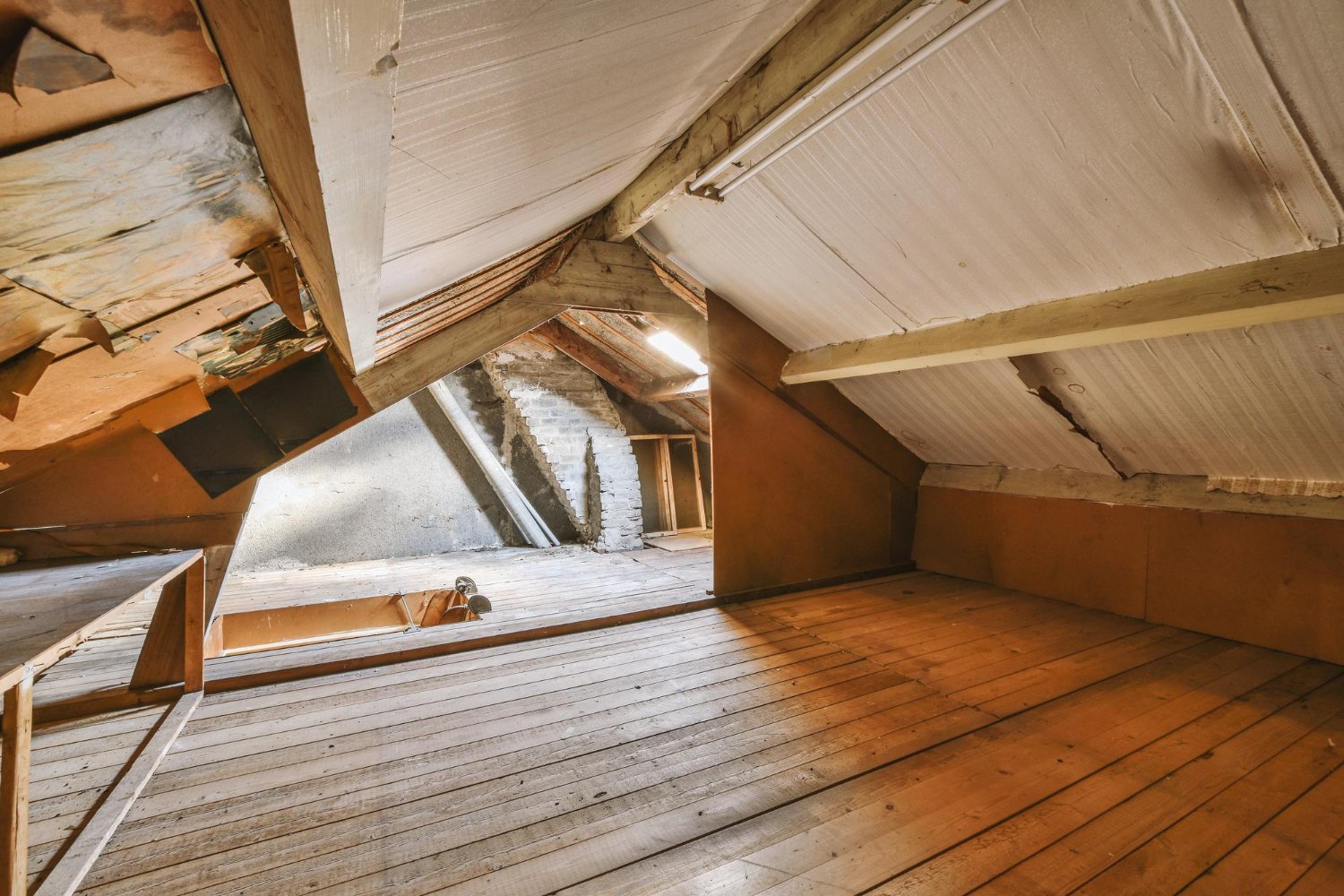
Why Consider an Attic Conversion?
There are several compelling reasons to consider an attic conversion. Firstly, it’s a fantastic way to maximize the use of your home’s existing space without the need for external construction. Secondly, it can significantly boost your property’s market value, making it an attractive option for real estate development.
Maximizing Space
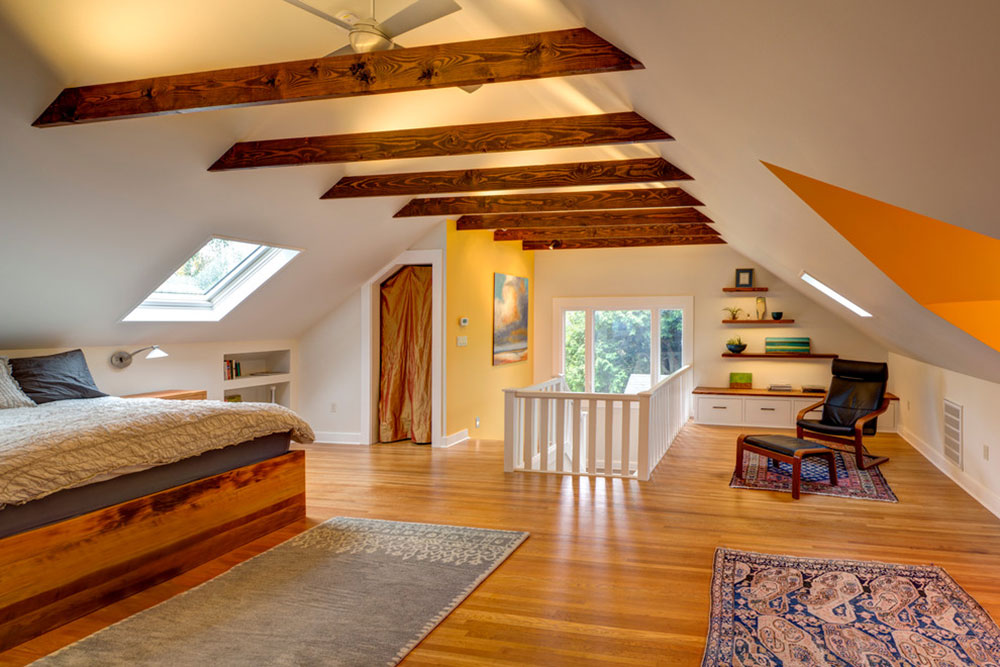
Attic conversions can transform underutilized spaces into functional areas such as bedrooms, home offices, or playrooms. This not only enhances the livable area of your home but also improves your overall quality of life.
Increasing Property Value
An attic conversion is an investment that can yield high returns. According to various real estate experts, homes with converted attics tend to sell faster and at a higher price compared to those without.
Understanding the Cost of Attic Conversion
The cost of an attic conversion can vary widely depending on several factors. On average, homeowners can expect to spend anywhere from $20,000 to $75,000. To get a more accurate estimate, it’s essential to consider the specific elements involved in your project.
Factors Affecting Cost
- Size and Layout: Larger attics or those with complex layouts will require more materials and labor, increasing the cost.
- Structural Changes: If your attic requires significant structural modifications, this will add to the expense.
- Design and Finishes: High-end finishes and custom designs will naturally increase the overall cost.
Budgeting for Your Project
Creating a detailed budget is essential when planning an attic conversion. Make sure to account for all potential expenses, including permits, materials, labor, and any unforeseen costs. It may also be beneficial to set aside a contingency fund for unexpected issues that may arise during construction.
Planning Your Attic Conversion
A successful attic conversion requires careful planning. From selecting the right design to ensuring compliance with local building codes, every step must be meticulously planned.
Design Considerations
When designing your attic conversion, consider how the new space will be used. Will it be a bedroom, an office, or perhaps a studio? The intended use will influence the design, layout, and even the types of windows and lighting you choose. For more ideas on designing energy-efficient attics, check out Passive House Design Ideas.
Building Codes and Permits
Before starting your project, ensure that you have the necessary permits and that your plans comply with local building codes. This step is crucial to avoid legal issues and potential fines down the line.
Choosing the Right Contractor
Hiring a reputable contractor is one of the most critical steps in an attic conversion. Look for a contractor with experience in attic conversions and check their references and previous work.
What to Look for in a Contractor
- Experience with attic conversions
- Positive customer reviews
- Proper licensing and insurance
For tips on selecting the right contractor, you might find this HGTV guide on attic remodels helpful.
Common Challenges in Attic Conversions
While attic conversions offer numerous benefits, they also come with their own set of challenges. Being aware of these can help you prepare and avoid potential pitfalls.
Structural Limitations
Some attics may have structural limitations that make conversions more challenging. This could include low ceilings, limited access, or issues with load-bearing walls.
Insulation and Ventilation
Proper insulation and ventilation are essential in an attic conversion. Without these, your new space may be uncomfortable and energy inefficient. To learn more about attic ventilation, visit this informative article.
Energy Efficiency in Attic Conversions
Incorporating energy-efficient elements into your attic conversion can reduce your energy bills and make your home more sustainable.
Insulation Options
Choosing the right insulation is crucial for maintaining a comfortable temperature in your attic. Consider eco-friendly options such as recycled denim or wool insulation.
Lighting Solutions
Maximize natural light by installing skylights or dormer windows. Additionally, consider energy-efficient lighting options to reduce electricity usage. For more lighting ideas, check out Attic Lighting Ideas.
Financing Your Attic Conversion
Financing your attic conversion can be done through various means, including personal savings, home equity loans, or financing programs.
Home Equity Loans
Home equity loans can be a viable option for homeowners looking to finance their attic conversion. These loans typically offer lower interest rates compared to personal loans.
Government Grants and Programs
Some governments offer grants or incentives for homeowners undertaking energy-efficient home improvements. Research available programs in your area to see if you qualify.
FAQs
1. How long does an attic conversion take?
The duration of an attic conversion can vary depending on the complexity of the project. On average, it can take anywhere from 6 to 12 weeks.
2. Do I need planning permission for an attic conversion?
Planning permission may be required depending on your location and the extent of the conversion. It’s best to check with your local planning authority.
3. Can all attics be converted?
Not all attics are suitable for conversion. Factors such as head height, access, and structural integrity must be assessed before proceeding with a conversion.
This article contains affiliate links. We may earn a commission at no extra cost to you.


