When it comes to maintaining a healthy home, one of the most common concerns that homeowners have is mold. But at what humidity does mold grow? Understanding this vital question can be the first step towards preventing mold infestations in your home. Mold not only causes unsightly stains on walls and ceilings but can also be a health hazard. This article will delve into the relationship between humidity and mold growth, offering valuable insights for both homeowners and real estate developers.
The presence of high humidity levels inside homes is a primary contributor to mold growth. In general, mold starts to thrive when indoor humidity levels reach or exceed 60%. However, mold can begin growing in areas where the humidity level is as low as 55%, making it imperative to monitor and control humidity levels in your living spaces.
For further reading on the importance of construction techniques in preventing mold, check out this article on Low-impact development.
What Exactly is Mold?
Mold is a type of fungus that includes various species, all of which produce spores that can be hazardous to human health. They are commonly found in damp and poorly ventilated areas.
Types of Mold
- Black Mold: Known as Stachybotrys chartarum, it’s the most dangerous type.
- Penicillium: Often found on wallpaper, decaying fabrics, and carpeting.
- Cladosporium: This species can grow in cool and warm areas and is often found on wood and fabrics.

Ideal Humidity Levels for Mold Growth
At what humidity does mold grow? Mold typically begins to grow at around 60% humidity. Even at lower levels, where the humidity is 55%, mold spores can begin to develop if the conditions are right.
The Role of Water Sources
Even if you maintain a lower humidity level, the presence of water leaks, spills, or condensation can create prime conditions for mold growth.
Monitoring and Controlling Indoor Humidity
One of the best ways to control mold is by keeping indoor humidity below 50%. This can be achieved through various methods:
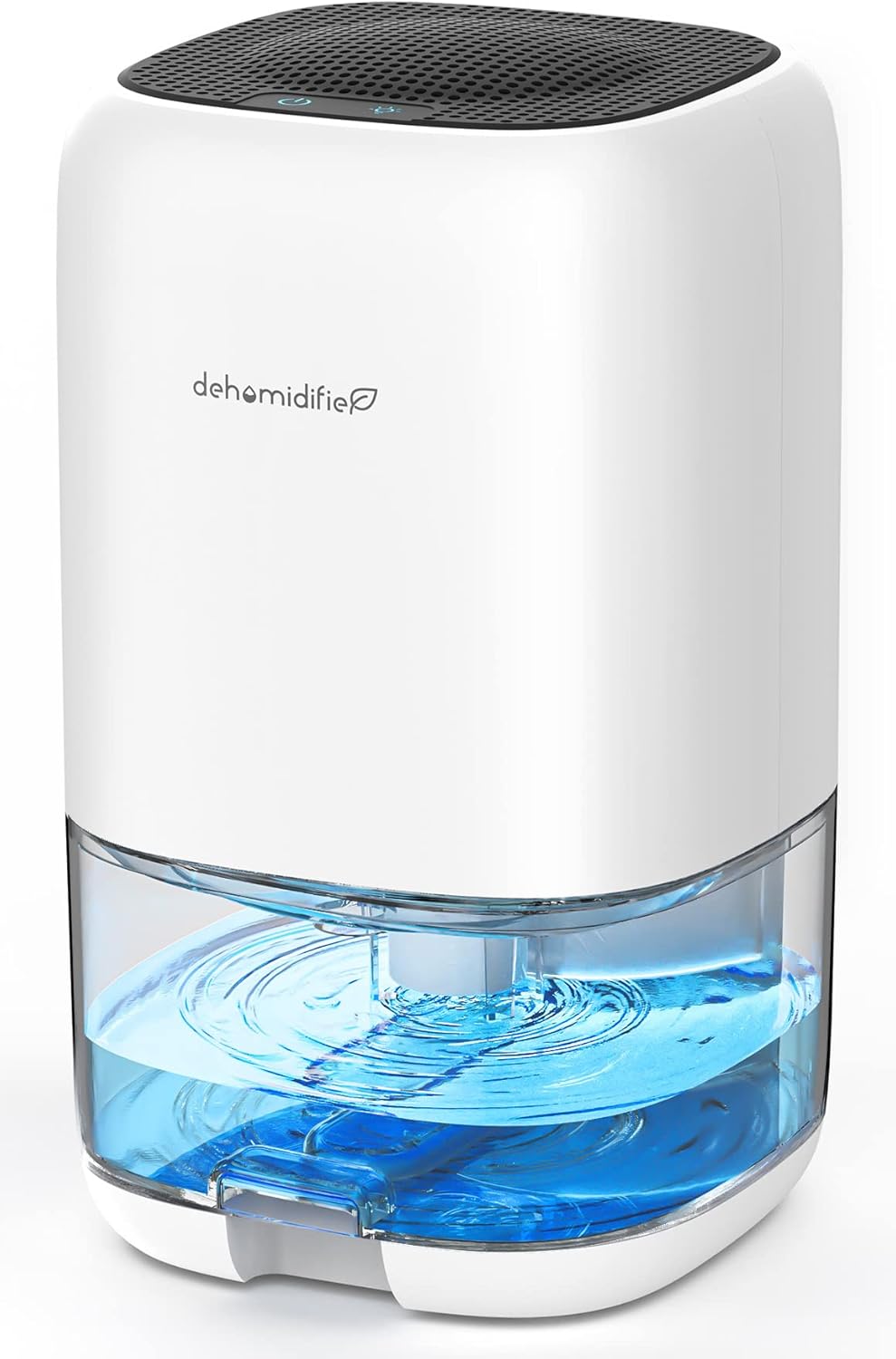
- Dehumidifiers: A great solution for maintaining ideal humidity levels.
- Proper Ventilation: Ensure adequate airflow throughout your home.
- Insulation: Proper insulation can prevent condensation on cold surfaces.
Detecting Mold Early
It’s essential to catch mold early before it spreads. Early detection methods include:
- Visual Inspections: Look for black stains or a musty odor.
- Moisture Meters: These devices can help detect hidden moisture.
- Professional Inspections: Experts can identify mold that you might miss.
Preventing Mold Growth
Preventing mold growth is easier than dealing with an infestation. Strategies include:
- Regularly cleaning and drying wet areas.
- Using mold-resistant paint.
- Maintaining proper indoor humidity levels.
Frequently Asked Questions (FAQ)
How Can I Reduce Humidity in My Home?
Simple steps to reduce humidity include using a dehumidifier, ensuring proper ventilation, and fixing any leaks.
What Are the Health Risks Associated with Mold?
Mold exposure can cause respiratory issues, allergies, and in severe cases, infections.
Can I Remove Mold Myself?
For small mold areas, you can use mold removal products. However, for larger infestations, consult a professional.
Additional Resources
Woman & Home on Humidity Reduction
As an Amazon Associate, I earn from qualifying purchases.