
Harnessing the natural movement of air is a time-tested method for improving indoor comfort and air quality. Wind-driven ventilation uses pressure differences created by wind to move fresh air through buildings, reducing reliance on mechanical systems and supporting a healthier living environment. This approach is both energy-efficient and environmentally friendly, making it an attractive option for homeowners and building designers alike.
In this article, we’ll break down the fundamentals of wind-powered airflow, explore how it works in homes and commercial spaces, and offer practical advice for optimizing natural ventilation. For a broader look at the principles behind indoor air movement, you may also find our resource on air quality and ventilation basics helpful.
Understanding Wind-Driven Airflow in Buildings
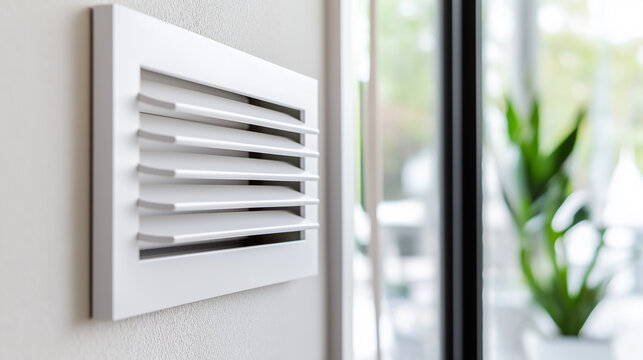
Wind-driven ventilation, also known as natural or passive ventilation, relies on the wind’s kinetic energy to create pressure differences around a building. When wind hits a structure, it generates higher pressure on the windward side and lower pressure on the leeward side. By strategically placing openings—such as windows, vents, or louvers—on opposite sides of a building, air is drawn through the interior, flushing out stale air and bringing in fresh outdoor air.
This process is distinct from stack ventilation, which depends on temperature differences between indoor and outdoor air. While both methods can be used together, wind-driven systems are particularly effective in regions with consistent breezes and moderate climates.
Key Principles Behind Wind-Powered Ventilation
To make the most of wind-induced airflow, it’s important to understand the underlying principles:
- Pressure Differential: Wind creates zones of high and low pressure around a building. Openings placed in these zones allow air to flow naturally from high to low pressure areas.
- Cross-Ventilation: Positioning inlets and outlets on opposite sides maximizes air movement, improving the removal of heat, moisture, and indoor pollutants.
- Building Orientation: Aligning the structure to take advantage of prevailing winds increases the effectiveness of passive ventilation strategies.
- Obstructions: Nearby buildings, trees, or landscape features can block or redirect wind, affecting airflow patterns and efficiency.
For more details on how air moves within homes, see our guide on air exchange rates in homes.
Types of Wind-Driven Ventilation Systems
There are several ways to implement wind-powered airflow in residential and commercial spaces. Some common approaches include:
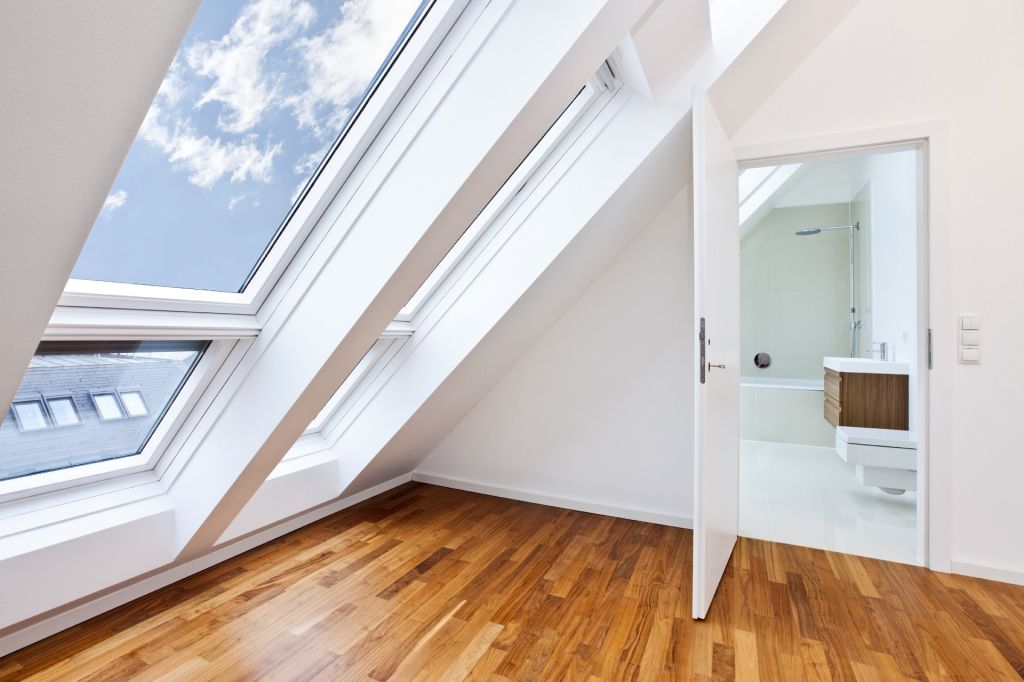
- Operable Windows and Vents: The simplest method, allowing occupants to manually adjust openings based on wind direction and comfort needs.
- Roof Turbines and Ventilators: Devices installed on rooftops that spin or open when wind blows, drawing air up and out of the building.
- Ventilated Facades: Building envelopes designed with integrated airflow channels to promote continuous movement of air.
- Wind Towers: Architectural features that capture and direct wind into interior spaces, commonly used in hot, arid climates.
Benefits of Natural Wind Ventilation
Integrating wind-powered ventilation into a building’s design offers several advantages:
- Energy Savings: Reduces the need for mechanical cooling and exhaust systems, lowering electricity consumption and utility bills.
- Improved Indoor Air Quality: Regular air exchange helps remove pollutants, allergens, and excess moisture, supporting a healthier indoor environment.
- Thermal Comfort: Promotes even temperature distribution and prevents overheating, especially during warmer months.
- Environmental Impact: Utilizes a renewable resource (wind) and decreases greenhouse gas emissions associated with HVAC systems.
- Low Maintenance: Fewer moving parts mean less wear and tear compared to powered ventilation systems.
For a deeper dive into how humidity interacts with airflow, see our article on humidity and ventilation control.
Challenges and Limitations of Wind-Driven Systems
While passive ventilation offers many benefits, it’s important to be aware of its limitations:
- Inconsistent Wind: The effectiveness of wind-driven airflow depends on local weather patterns. Calm days or unpredictable wind directions can reduce system performance.
- Air Quality Concerns: In areas with high outdoor pollution or allergens, bringing in outside air may not always be desirable. Consider pairing natural ventilation with filtration systems for optimal results.
- Thermal Loss: During colder months, increased ventilation can lead to heat loss and higher heating costs if not managed carefully.
- Building Security and Privacy: Open windows and vents may impact security or privacy, especially in urban environments.
How to Optimize Wind-Based Ventilation in Your Home
To get the most from wind-powered airflow, consider these practical steps:
- Assess Local Wind Patterns: Study prevailing wind directions and speeds in your area. This information will help you decide where to place openings for maximum effect.
- Strategic Placement of Openings: Install windows, vents, or louvers on opposite sides of rooms or buildings to encourage cross-ventilation.
- Use Adjustable Features: Incorporate operable windows and adjustable vents to control airflow as weather and comfort needs change.
- Combine with Mechanical Systems: In areas with inconsistent wind, supplement natural airflow with whole house fans, exhaust fans, or air filtration kits. This hybrid approach ensures continuous air movement and quality.
- Maintain Clear Air Paths: Keep furniture, curtains, and other obstructions away from airflow routes to prevent blockages.
- Monitor Indoor Air Quality: Use sensors or periodic checks to ensure that ventilation is providing the desired results, especially if outdoor air quality varies.
For more on balancing air movement and pressure, see our article on indoor air pressure balance explained.
Comparing Wind-Driven and Mechanical Ventilation
While natural airflow offers clear benefits, mechanical systems such as fans and HVAC units provide consistent performance regardless of weather. Many modern buildings use a combination of both approaches to achieve optimal comfort and efficiency.
| Aspect | Wind-Driven | Mechanical |
|---|---|---|
| Energy Use | Minimal | Moderate to High |
| Reliability | Depends on weather | Consistent |
| Maintenance | Low | Regular servicing needed |
| Control | Limited | High |
| Air Quality | Depends on outdoor air | Can include filtration |
For a comprehensive look at different ventilation systems, see this overview of whole house ventilation systems.
Frequently Asked Questions
What is the main advantage of wind-powered ventilation?
The primary benefit is reduced energy consumption. By using natural wind to move air, you can lower your reliance on mechanical systems, saving on utility costs and supporting sustainability.
Can wind-driven systems be used year-round?
These systems are most effective in mild to warm climates and during seasons with consistent breezes. In colder months or calm weather, you may need to supplement with mechanical ventilation to maintain comfort and air quality.
How do I ensure good air quality with natural ventilation?
Monitor outdoor air conditions and consider using filtration kits or hybrid systems if you live in an area with pollution, allergens, or seasonal smoke. Regularly cleaning vents and keeping pathways clear also helps maintain healthy airflow.
Does wind-driven airflow help control humidity?
Yes, by increasing air exchange, these systems can help reduce excess humidity indoors. For more targeted control, see our guide on how moisture affects home ventilation.