

When it comes to indoor comfort, one of the most frequently asked questions is: What is a high humidity percentage? Understanding humidity levels is crucial for homeowners and real estate developers. High humidity can have several impacts, from affecting the structural integrity of buildings to creating an uncomfortable living environment.
The Basics: Defining Humidity
What is Humidity?
Humidity refers to the amount of water vapor in the air. It can make a significant difference in how comfortable we feel in our homes and workplaces. There are two main types of humidity: absolute and relative.
Absolute vs. Relative Humidity
Absolute humidity is the total amount of water vapor present in the air. On the other hand, relative humidity (RH) is a measure of the current humidity relative to the maximum humidity that the air can hold at that temperature.

What Constitutes a High Humidity Percentage?
Indoor Humidity Levels
A comfortable indoor humidity level ranges from 30% to 50%. When humidity levels exceed 60%, it is considered high and can lead to a range of issues, both structural and health-related.
Outdoor Humidity Levels
Outdoor humidity levels can greatly affect indoor comfort. Ideal outdoor RH levels are similar to those indoors but can vary depending on the season and geographic location.

Impact of High Humidity on Your Home
Structural Issues
Excessive humidity can lead to mold growth, wood rot, and damage to walls and ceilings. Over time, these issues can compromise the structural integrity of your home.
Aesthetic Problems
High humidity can also cause paint to peel, wallpaper to bubble, and flooring to warp, detracting from the aesthetic appeal of your home.
Health Implications
Respiratory Issues
High humidity can worsen respiratory problems such as asthma and allergies. Mold spores thrive in damp environments, posing a significant health risk.
Skin Issues
Excessive humidity can lead to skin problems like rashes and fungal infections, making it essential to maintain optimal humidity levels.
How to Measure Humidity
Hygrometers
A hygrometer is a device that measures the humidity level in your home. These are relatively inexpensive and can help you keep track of your indoor air quality.
Smart Home Integrations
Modern technology allows for humidity monitoring through smart home systems. These can provide real-time data and suggestions for maintaining optimal humidity levels.
Strategies to Control High Humidity
Ventilation
Proper ventilation is crucial for controlling indoor humidity levels. Ensure that kitchens and bathrooms are equipped with exhaust fans to expel moist air.
Dehumidifiers
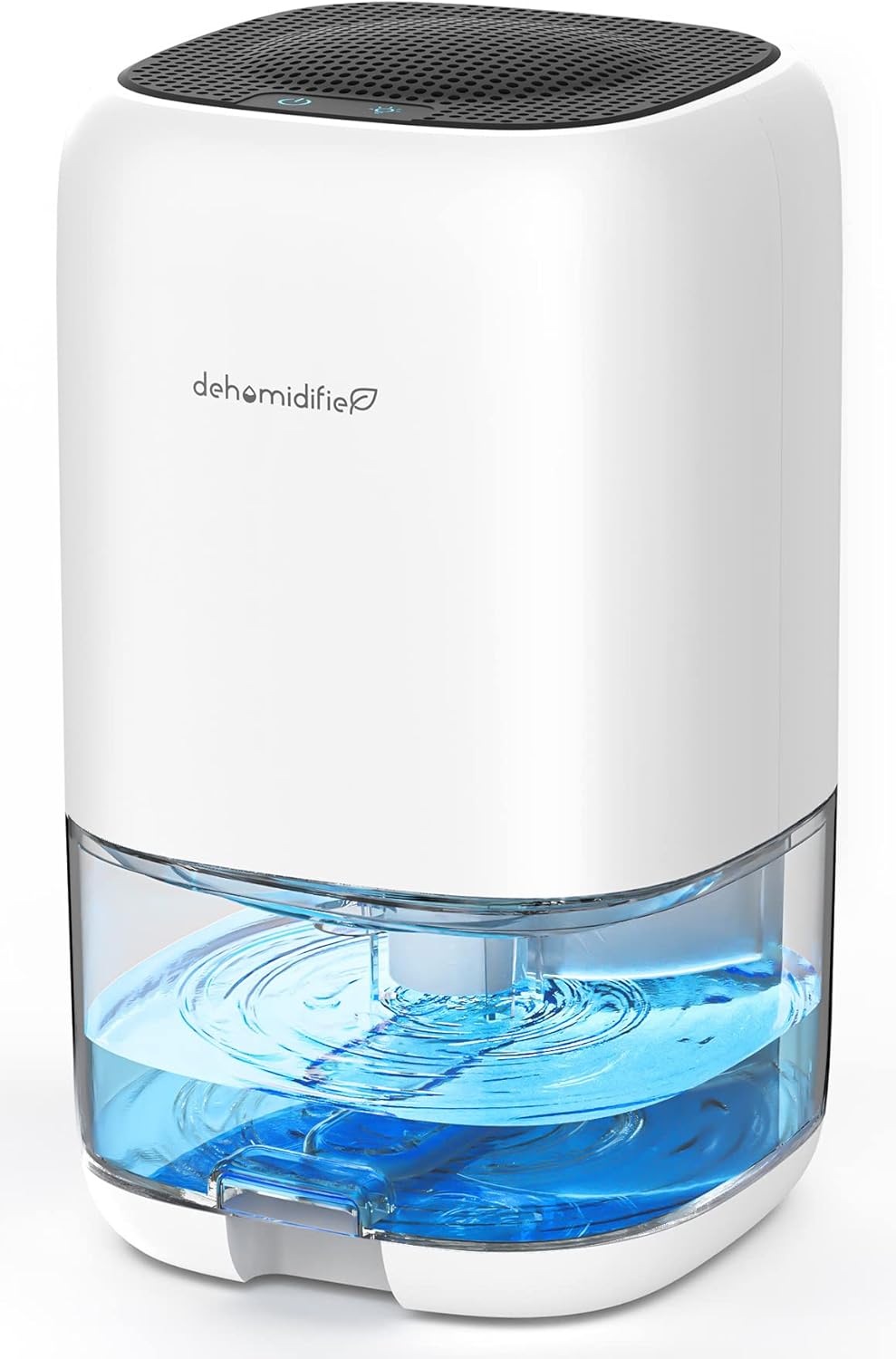
Dehumidifiers are an effective way to reduce indoor humidity levels. They work by removing excess moisture from the air, making your home more comfortable.
Houseplants
Certain houseplants, like Boston ferns and peace lilies, can absorb excess humidity, helping to maintain balanced indoor air quality.
Benefits of Managing Humidity
Energy Efficiency
Maintaining optimal humidity levels can improve your home’s energy efficiency. High humidity makes the air feel warmer, leading to increased use of air conditioning. Proper humidity control can reduce your energy bills significantly.
Improved Comfort
Proper humidity levels contribute to a more comfortable living environment, reducing the likelihood of respiratory issues and skin problems.
FAQs
What is a high humidity percentage indoors?
Indoors, a high humidity percentage is generally over 60%. Keeping it within 30-50% is ideal for comfort and health.
Can high humidity damage my home?
Yes, high humidity can cause structural issues like mold growth, wood rot, and damage to walls and ceilings.
How can I measure the humidity level in my home?
You can measure indoor humidity using a hygrometer or a smart home system designed for environmental monitoring.
As an Amazon Associate, I earn from qualifying purchases.
For more information on water conservation and air quality strategies, visit water conservation and indoor air quality.

