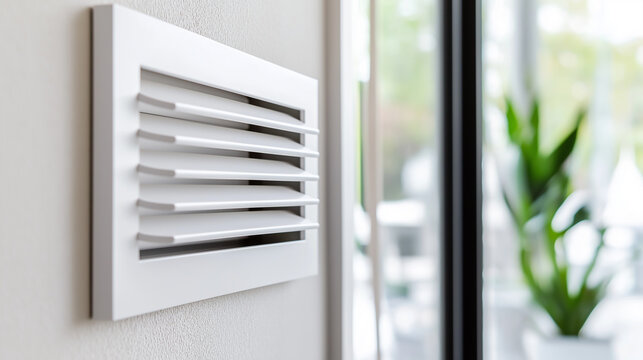
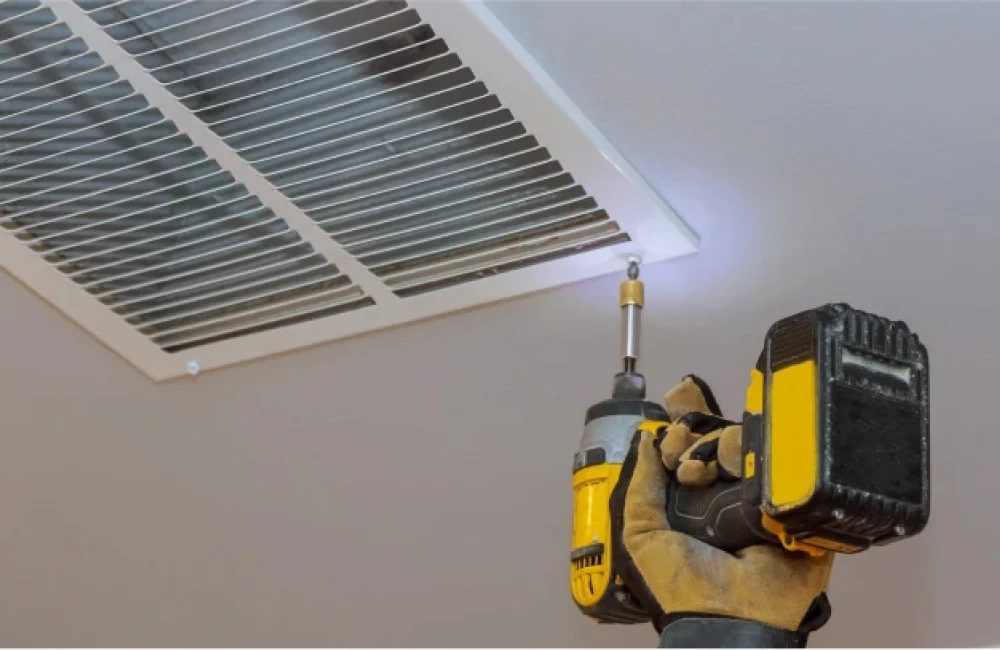
Indoor air quality (IAQ) is a crucial aspect of ensuring healthy living environments. Whether you’re a homeowner or a real estate developer, understanding what certification applies to indoor air quality can significantly impact the health and well-being of building occupants. In this article, we delve into the certifications relevant to IAQ, aiming to provide you with a comprehensive guide.

Why Indoor Air Quality Matters
Improving indoor air quality isn’t just about comfort; it’s a matter of health. Poor IAQ can lead to respiratory issues, allergies, and long-term health consequences. For this reason, certifications serve as a standard to ensure that indoor environments are safe and healthy.

Primary Indoor Air Quality Certifications
1. WELL Certification
WELL Certification focuses on ensuring that building environments support the health and wellness of its occupants. This certification is comprehensive, covering aspects like air, water, nourishment, light, fitness, comfort, and mind.
2. LEED Certification
LEED stands for Leadership in Energy and Environmental Design. This certification not only focuses on the broader sustainability aspects of buildings but also includes stringent requirements for indoor air quality.
3. RESET Air Certification
RESET Air standard focuses exclusively on indoor air quality and provides a continuous monitoring framework. This certification aims to validate and communicate the health of indoor environments.

Important Aspects of Indoor Air Quality
1. Ventilation
Proper ventilation is essential to maintaining good indoor air quality. Ensuring that fresh air is adequately circulated can help reduce pollutants and improve air quality.
2. Air Filtration
Using high-quality air filters can capture pollutants and particulates, significantly improving indoor air quality.
3. Humidity Control
Maintaining optimal humidity levels can prevent the growth of mold and mildew, which can adversely affect indoor air quality.
The Role of Technology in Air Quality Certification
Technology plays a crucial role in improving indoor air quality. Advanced air filtration systems, real-time air quality monitoring, and smart ventilation systems are just some technological advancements contributing to better IAQ.
Steps to Achieve an Indoor Air Quality Certification
1. Initial Assessment
Conduct an initial assessment to understand the current state of indoor air quality.
2. Implement Improvements
Based on the assessment, take steps to improve air quality, such as upgrading ventilation systems or installing high-efficiency air filters.
3. Continuous Monitoring
Install monitoring systems to continuously measure air quality and make adjustments as needed.
4. Certification Application
Submit your application for the desired certification, providing all necessary documentation and evidence of improvements.
Case Studies of Certified Buildings
Examining case studies of buildings that have achieved IAQ certifications can offer valuable insights. These examples can demonstrate the tangible benefits of certification.
Case Study 1: Office Building
A commercial office building improved its IAQ by upgrading to a state-of-the-art ventilation system. As a result, the building achieved WELL Certification, leading to healthier and more productive employees.
Case Study 2: Residential Complex
A residential complex achieved LEED Certification by implementing advanced air filtration systems and real-time monitoring, resulting in healthier living conditions for its residents.
FAQs
1. What is the importance of indoor air quality certifications?
Certifications help ensure that buildings meet high standards for air quality, promoting health and well-being for occupants.
2. How can homeowners improve indoor air quality?
Homeowners can improve IAQ by ensuring proper ventilation, using high-efficiency air filters, and maintaining optimal humidity levels.
3. What are the benefits of continuous air quality monitoring?
Continuous monitoring enables real-time adjustments to air quality systems, ensuring that indoor air remains at healthy levels.
As an Amazon Associate, I earn from qualifying purchases.