
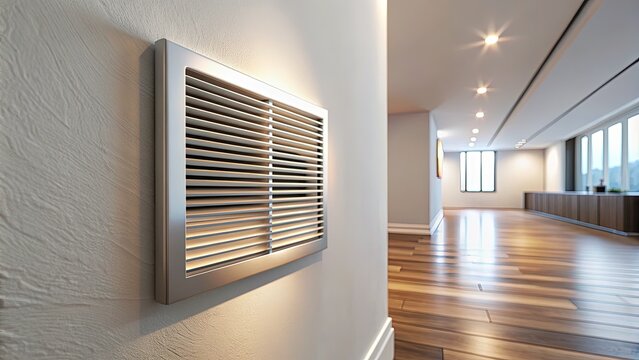

Proper ventilation for mobile homes is essential for maintaining indoor air quality, controlling moisture, and ensuring the long-term durability of your living space. Mobile homes, due to their unique construction and compact design, can be especially prone to issues like condensation, mold, and stale air if not ventilated correctly. Whether you’re a homeowner looking to upgrade your current system or planning for a new installation, understanding the basics of airflow and the available solutions is key to creating a healthy and comfortable environment.
In this article, we’ll explore the importance of air movement in manufactured housing, the different types of systems available, and practical steps for improving airflow. We’ll also touch on how insulation and sealing interact with ventilation, and provide links to further resources such as how insulation affects ventilation for a deeper dive into related topics.
Why Airflow Matters in Manufactured Homes
Mobile homes are built with efficiency and affordability in mind, but these advantages can sometimes lead to challenges with air circulation. Unlike traditional houses, manufactured homes often have tighter construction, which can trap moisture and pollutants indoors. Without adequate airflow, problems such as mold growth, lingering odors, and even structural damage can arise.
Good airflow helps to:
- Remove excess humidity from daily activities like cooking and showering
- Reduce allergens and indoor pollutants
- Prevent condensation on windows and walls
- Extend the lifespan of building materials and finishes
For a more technical overview of how building envelope and sealing interact with airflow, see our guide on air sealing and ventilation balance.
Types of Ventilation Systems for Mobile Homes
There are several ways to achieve effective ventilation for mobile homes. The right choice depends on your home’s layout, climate, and budget. Here are the most common options:
- Natural Ventilation: Uses windows, vents, and doors to allow fresh air in and stale air out. While cost-effective, it relies on weather and may not be sufficient in all climates.
- Exhaust-Only Systems: Fans in bathrooms and kitchens pull moist or polluted air out. These are simple to install and help control humidity in key areas.
- Supply-Only Systems: Fans or ducts bring fresh outdoor air into the home, pressurizing the interior and pushing out stale air through leaks or vents.
- Balanced Systems: Combine exhaust and supply fans to exchange indoor and outdoor air at equal rates, often with filtration for improved air quality.
- Whole House Fans: Installed in the ceiling, these move large volumes of air and are ideal for quickly cooling and refreshing the entire home.
For a detailed comparison of system types and their suitability for different properties, visit this guide to choosing the right ventilation system.
Key Areas That Need Ventilation in Mobile Homes
Not all parts of a manufactured home require the same level of airflow. Focus on these critical zones to maximize comfort and safety:
- Bathrooms: High humidity from showers and baths makes exhaust fans essential.
- Kitchens: Cooking releases moisture, odors, and particles; range hoods or exhaust fans are recommended.
- Utility Rooms: Laundry appliances and water heaters can add moisture and fumes.
- Crawl Spaces and Underbelly: Proper venting prevents moisture buildup and protects the structure.
- Living Areas: General airflow helps maintain even temperatures and fresh air throughout the home.

Improving Airflow: Practical Steps for Mobile Home Owners
Enhancing ventilation for mobile homes doesn’t always require a complete overhaul. Here are some actionable tips to boost airflow and indoor air quality:
- Install or Upgrade Exhaust Fans: Make sure bathrooms and kitchens have working fans vented to the outside, not just into the attic or crawl space.
- Use Whole House Fans: These can quickly exchange indoor air with fresh outdoor air, especially in the evening or early morning.
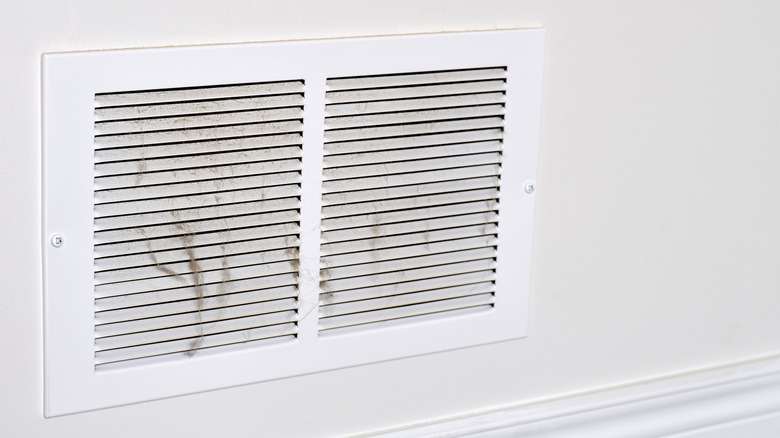
- Check and Clean Vents Regularly: Dust and debris can block airflow, reducing system efficiency.
- Seal Gaps and Cracks: While some air leakage is necessary, uncontrolled drafts can undermine your efforts. Focus on intentional vents and fans for controlled airflow.
- Consider Air Filtration: Adding filters to supply or balanced systems helps remove dust, pollen, and other particles.
- Monitor Humidity: Use a hygrometer to keep indoor humidity between 30–50%. Dehumidifiers can help in damp climates.
For those planning renovations or upgrades, our resource on ventilation during home renovation offers additional insights.
How Insulation and Air Sealing Affect Ventilation
The relationship between insulation, air sealing, and airflow is crucial in manufactured homes. While insulation helps maintain comfortable temperatures and reduce energy costs, it can also limit natural airflow if not paired with intentional venting strategies. Over-sealing a mobile home can trap moisture and pollutants inside, so it’s important to strike a balance.
To learn more about this balance, check out our article on ventilation considerations during framing and how these factors interact during construction or remodeling.
Testing and Maintaining Your Ventilation System
Regular inspection and maintenance are key to ensuring your system works efficiently. Here are some steps to keep in mind:
- Test for Airflow: Use simple methods like holding a tissue near vents to check for movement, or invest in a professional blower door test explained for a comprehensive assessment.
- Replace Filters: Change filters in supply or balanced systems as recommended by the manufacturer.
- Inspect Fans and Ducts: Look for dust buildup, blockages, or signs of wear.
- Monitor for Moisture: Watch for condensation on windows or walls, which can signal inadequate airflow.
Frequently Asked Questions
What Are the Signs That My Mobile Home Needs Better Ventilation?
Common indicators include persistent condensation on windows, musty odors, visible mold growth, or a feeling of stuffiness indoors. If you notice peeling paint, warped wood, or increased allergy symptoms, it may be time to assess your airflow system.
How Often Should I Clean or Replace My Ventilation Filters?
For most systems, filters should be checked monthly and replaced every 3–6 months, or as specified by the manufacturer. Homes with pets, smokers, or high dust levels may require more frequent changes to maintain optimal air quality.
Is It Possible to Over-Ventilate a Mobile Home?
While adequate airflow is important, excessive ventilation can lead to energy loss and uncomfortable drafts. The goal is to balance fresh air intake with energy efficiency, using controlled systems rather than relying solely on open windows or unsealed gaps.
Do I Need Professional Help to Upgrade My System?
Simple upgrades like installing exhaust fans or cleaning vents can often be done by homeowners. However, for balanced or whole-house systems, or if you have persistent moisture issues, consulting a qualified HVAC professional is recommended.
Where Can I Learn More About Ventilation Options?
For additional information, refer to the guide to ventilation systems for different properties or explore our related articles linked throughout this guide.


