


Improving the way air moves through your home or building is one of the most effective strategies for reducing energy consumption and maintaining a comfortable indoor environment. With energy costs on the rise and a growing focus on sustainability, understanding how proper airflow impacts efficiency is more important than ever. This guide explores practical steps, system options, and best practices for optimizing ventilation for improved energy efficiency in residential and commercial spaces.
Whether you are planning a renovation, building new, or simply looking to cut utility bills, the right approach to airflow can make a significant difference. By combining effective ventilation with insulation and smart controls, you can achieve better temperature regulation, healthier air, and lower energy use. For those interested in specific applications, such as bathroom ventilation fundamentals or garage ventilation basics, targeted solutions are available to address unique needs.
Why Efficient Ventilation Matters
Airflow management is more than just opening a window or running a fan. A well-designed system ensures that fresh air enters, stale air exits, and temperature and humidity are controlled efficiently. This balance is crucial for:
- Reducing heating and cooling loads by minimizing unwanted air leaks and drafts.
- Improving indoor air quality by removing pollutants, allergens, and excess moisture.
- Preventing mold and structural damage caused by trapped humidity.
- Lowering utility bills through targeted energy use and reduced HVAC strain.
According to many experts, including those at HomeTips’ guide to residential ventilation systems, the right system can dramatically improve both comfort and efficiency.
Types of Ventilation Systems for Energy Savings
There are several approaches to managing airflow, each with its own advantages. Selecting the best option depends on your building’s design, climate, and specific needs.
Natural Ventilation
This method relies on windows, vents, and architectural features to promote airflow without mechanical assistance. While it can be effective in mild climates, it is less reliable in extreme weather or tightly sealed modern homes.
Mechanical Ventilation
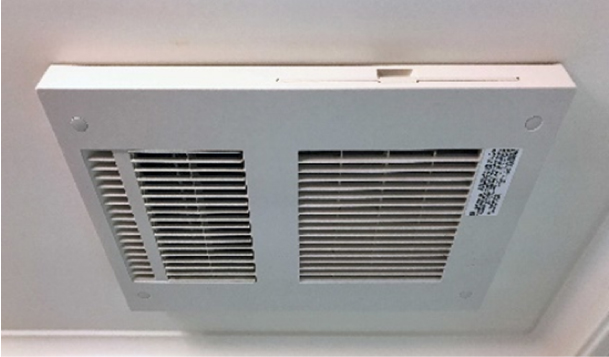
Mechanical systems use fans and ducts to control air movement. These can be as simple as exhaust fans in bathrooms and kitchens or as complex as whole-house systems with heat recovery. For more on strategic fan placement, see our article on proper placement of exhaust fans.
Heat Recovery and Energy Recovery Ventilators (HRVs & ERVs)
These advanced systems transfer heat (and sometimes moisture) between incoming and outgoing air streams. By pre-conditioning fresh air, they reduce the load on heating and cooling equipment, making them ideal for tightly sealed, energy-efficient homes.
Key Strategies for Optimizing Airflow
To maximize the benefits of ventilation for improved energy efficiency, consider the following best practices:
Seal and Insulate
Before upgrading or installing new systems, ensure your building envelope is well-sealed and insulated. This prevents unwanted air leaks and ensures that mechanical systems work as intended.
Use Zoned and Demand-Controlled Ventilation
Zoned systems allow you to direct airflow only where needed, reducing waste. Demand-controlled options use sensors to adjust ventilation based on occupancy or air quality, further improving efficiency.
Maintain and Upgrade Equipment
Regularly clean and service fans, filters, and ducts to maintain peak performance. Consider upgrading to ENERGY STAR-rated equipment or adding smart controls for better management.
Room-by-Room Approaches to Efficient Ventilation
Each area of a building has unique airflow needs. Addressing these individually can further enhance overall performance:
- Bathrooms: Use humidity-sensing exhaust fans to remove moisture and prevent mold. For a comprehensive overview, see bathroom ventilation fundamentals.
- Kitchens: Install range hoods that vent to the outside to remove cooking fumes and excess heat. For more details, refer to kitchen ventilation explained.
- Crawl Spaces and Garages: Prevent moisture buildup and fume accumulation with targeted systems. Explore crawl space ventilation best practices and garage ventilation basics for specialized guidance.
- Living Areas: Consider balanced systems or HRVs/ERVs to ensure consistent, filtered airflow throughout the home.
Common Mistakes to Avoid
Even well-intentioned upgrades can backfire if not implemented correctly. Watch out for these pitfalls:
- Oversizing or undersizing fans, leading to wasted energy or inadequate airflow.
- Neglecting regular maintenance, which can reduce system effectiveness.
- Blocking vents or returns with furniture or drapes.
- Failing to coordinate ventilation with insulation and air sealing efforts.
Frequently Asked Questions
How does better airflow reduce energy costs?
By controlling how and where air moves, you can minimize the work your heating and cooling systems must do. Properly balanced systems reduce the need for constant HVAC operation, resulting in lower utility bills and less wear on equipment.
What is the difference between HRV and ERV systems?
Heat Recovery Ventilators (HRVs) transfer heat between incoming and outgoing air, while Energy Recovery Ventilators (ERVs) also transfer moisture. Both are designed to pre-condition fresh air, but ERVs are especially useful in humid or very dry climates.
Can I improve ventilation without major renovations?
Yes. Simple steps like sealing leaks, adding or upgrading exhaust fans, and using portable air filtration units can make a noticeable difference. For more targeted improvements, consider consulting a professional to assess your current setup and recommend upgrades.
Are there specific guidelines for different rooms?
Absolutely. Kitchens, bathrooms, garages, and crawl spaces all benefit from tailored solutions. For example, kitchen ventilation explained covers best practices for removing cooking fumes, while crawl space ventilation best practices address moisture and air quality below the living space.
Conclusion
Achieving ventilation for improved energy efficiency is a practical and cost-effective way to enhance comfort, reduce energy use, and protect your property. By understanding system options, applying best practices, and addressing each area’s unique needs, you can create a healthier, more sustainable environment. Regular maintenance and thoughtful upgrades ensure long-term benefits, making efficient airflow a smart investment for any building.

