Maintaining a healthy indoor environment is a priority for every homeowner. One of the most effective ways to achieve this is through proper ventilation for healthy homes. Adequate airflow helps control humidity, remove indoor pollutants, and ensure a steady supply of fresh air. Whether you’re renovating, building new, or simply looking to improve your living space, understanding the fundamentals of air exchange can make a significant difference in your household’s comfort and well-being.
In this article, you’ll discover why balanced airflow is crucial, the main types of systems available, and practical steps to implement effective solutions. We’ll also highlight best practices and point you to further resources, such as proper placement of exhaust fans, to help you make informed decisions for your home.
Why Proper Airflow Matters in Residential Spaces
Good air circulation is more than just a comfort feature—it’s a necessity for a healthy living environment. Without it, indoor air can become stale, trapping allergens, moisture, and contaminants. Over time, this can lead to issues such as mold growth, increased dust mites, and even structural damage from excess humidity.
The benefits of maintaining optimal airflow include:
- Improved indoor air quality by reducing pollutants and allergens
- Prevention of moisture buildup and mold
- Better temperature regulation throughout the home
- Enhanced comfort and reduced odors
- Protection of building materials from excess humidity
Types of Home Ventilation Systems
There are several approaches to ensuring adequate air exchange in a residence. Each method has its own advantages, and the best choice often depends on your climate, home design, and personal needs.
Natural Air Exchange
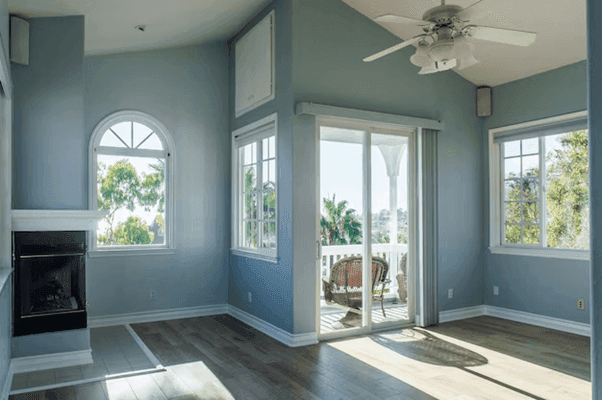
Natural airflow relies on openings such as windows, doors, and vents to allow fresh air in and stale air out. While this method is simple and energy-efficient, it can be inconsistent—especially in tightly sealed, modern homes or in areas with extreme weather.
Mechanical Solutions for Healthy Homes
Mechanical systems use fans and ductwork to control the movement of air. These solutions can be tailored to specific rooms or provide whole-house air exchange. Common examples include:
- Exhaust fans in kitchens and bathrooms
- Whole-house fans for rapid air replacement
- Heat recovery ventilators (HRVs) and energy recovery ventilators (ERVs)
For more details on specific areas, you might find our guides on bathroom ventilation fundamentals and kitchen ventilation explained helpful.
Key Steps to Achieve Balanced Ventilation
Creating a healthy indoor environment starts with a few essential steps. Here’s how to get started:
- Assess Your Current Airflow: Identify areas where air feels stagnant or where condensation appears on windows and walls. These spots often signal a need for improved air exchange.
- Install or Upgrade Mechanical Systems: Consider adding or updating exhaust fans in high-moisture areas like bathrooms and kitchens. For comprehensive solutions, a whole-house fan or an HRV/ERV system can provide continuous, balanced airflow.
- Maintain and Clean Equipment: Regularly clean fan blades, replace filters, and check ducts for blockages. Well-maintained systems are more effective and energy-efficient.
- Seal and Insulate Appropriately: While you want to avoid drafts, overly tight homes can trap pollutants. Use controlled systems to manage air exchange rather than relying solely on leaks or cracks.
- Monitor Indoor Air Quality: Use humidity sensors and air quality monitors to track conditions. Aim for indoor humidity between 30–50% to prevent mold and dust mites.
Room-by-Room Strategies for Better Air Quality
Each area of your home presents unique challenges and opportunities for improving airflow. Here are some targeted approaches:
- Bathrooms: Always use an exhaust fan during and after showers. For more tips, see our article on bathroom ventilation fundamentals.
- Kitchens: Range hoods and exhaust fans help remove cooking fumes and moisture. Explore our guide on kitchen ventilation explained for more details.
- Attics and Crawl Spaces: Proper airflow prevents condensation and mold. Learn more in our resource on crawl space ventilation best practices.
- Garages: Prevent fumes from entering living spaces by ventilating garages. Our article on garage ventilation basics covers essential tips.
Best Practices for Sustainable and Efficient Air Exchange
To get the most from your home’s airflow systems, consider these best practices:
- Use programmable timers on fans to ensure regular operation without wasting energy.
- Choose energy-efficient equipment that meets current standards and is appropriately sized for your space.
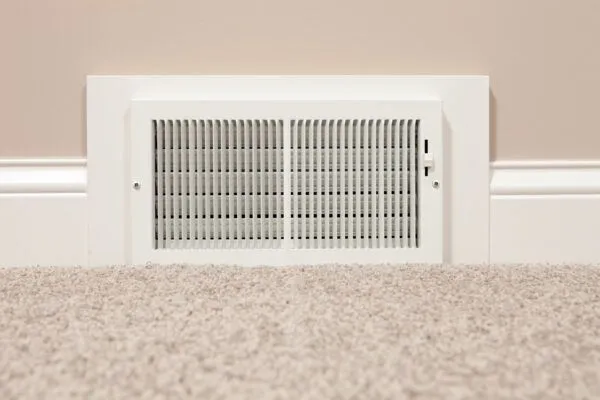
- Seal ductwork to prevent leaks and maintain system efficiency.
- Combine filtration with airflow to remove particulates and allergens from incoming air.
- Consult professionals for complex installations or if you notice persistent air quality issues.
For a comprehensive overview of mechanical systems, the U.S. Department of Energy offers a detailed guide on whole-house ventilation that covers system types, benefits, and maintenance tips.
Frequently Asked Questions
How often should I run my home’s exhaust fans?
It’s best to operate exhaust fans during activities that generate moisture or odors, such as cooking or showering. In high-humidity climates or tightly sealed homes, running fans for 15–30 minutes after these activities helps maintain balanced airflow and prevents mold growth.
What’s the difference between HRV and ERV systems?
Heat Recovery Ventilators (HRVs) transfer heat from outgoing stale air to incoming fresh air, making them ideal for colder climates. Energy Recovery Ventilators (ERVs) also transfer moisture, which is beneficial in humid or mixed climates. Both systems help maintain comfort and efficiency.
Can I improve air quality without major renovations?
Yes, simple steps like using portable air purifiers, regularly opening windows when weather allows, and maintaining existing fans can make a noticeable difference. Upgrading filters and ensuring vents are unobstructed are also effective low-cost strategies.
Do I need professional help to install new ventilation systems?
While some upgrades, like replacing filters or installing window fans, can be DIY projects, more complex systems—such as whole-house fans or ducted HRVs—should be installed by qualified professionals to ensure safety and optimal performance.
Ensuring proper ventilation for healthy homes is a practical investment in your family’s comfort and well-being. By understanding your options and following proven strategies, you can create a safer, fresher, and more enjoyable living space for years to come.