
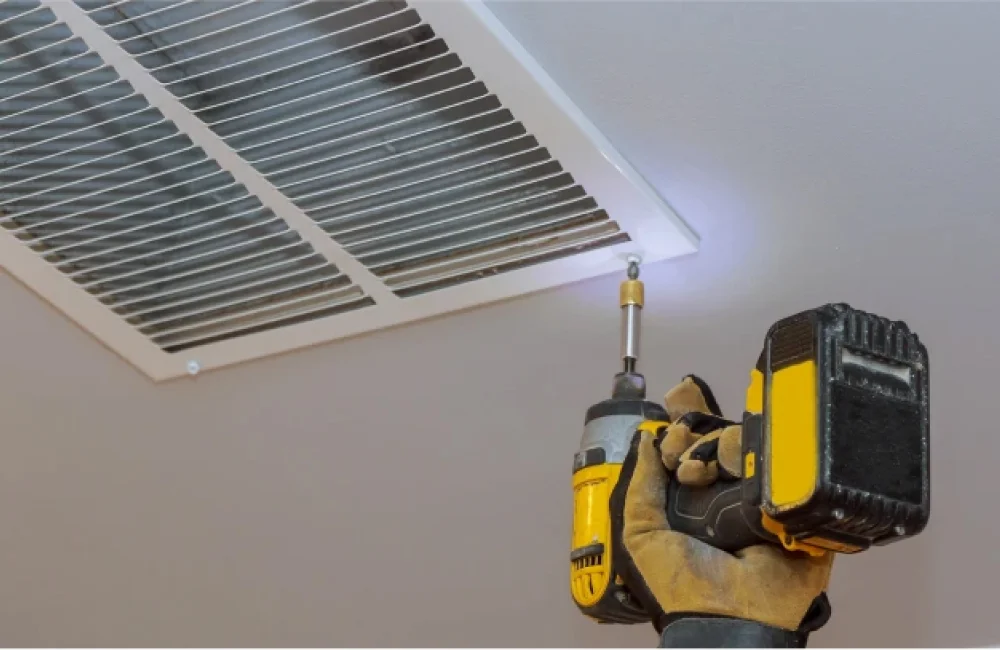

Ensuring proper ventilation for fire safety is a critical aspect of building design, home maintenance, and emergency preparedness. Effective airflow management not only helps control smoke and heat during a fire but also plays a vital role in preventing hazardous conditions from developing in the first place. Whether you are a homeowner, contractor, or facility manager, understanding the principles and best practices of fire-safe ventilation can make a significant difference in protecting lives and property.
This guide explores the essential components, strategies, and considerations for optimizing airflow to enhance safety during fire emergencies. We’ll discuss the types of ventilation systems, their roles in fire scenarios, and practical steps to implement or upgrade your setup. For those interested in construction or renovation, you may also want to review ventilation considerations during framing for additional context on integrating airflow solutions early in the building process.
Why Airflow Management Matters in Fire Emergencies
During a fire, the movement of air can dramatically influence how smoke, heat, and toxic gases spread throughout a building. Properly designed ventilation systems help control these elements, making it easier for occupants to evacuate and for firefighters to operate safely. Inadequate or poorly maintained airflow can allow smoke to accumulate, reduce visibility, and increase the risk of suffocation or burns.
There are two main objectives for airflow during a fire:
- Smoke Control: Directing smoke away from escape routes and occupied areas.
- Heat Removal: Reducing temperatures to slow fire spread and protect structural integrity.
Types of Ventilation Systems for Fire Protection
Selecting the right ventilation approach depends on building type, occupancy, and local codes. Here are the primary categories:
Natural Ventilation
This method relies on openings such as windows, vents, and doors to allow air to flow naturally. In fire situations, natural airflow can help clear smoke if strategically placed, but it may also inadvertently feed oxygen to the flames if not managed carefully.
Mechanical Ventilation
Mechanical systems use powered fans and ductwork to control air movement. These setups can be designed to activate automatically during a fire, extracting smoke and heat from critical areas. Examples include exhaust fans, pressurization systems for stairwells, and dedicated smoke control fans.
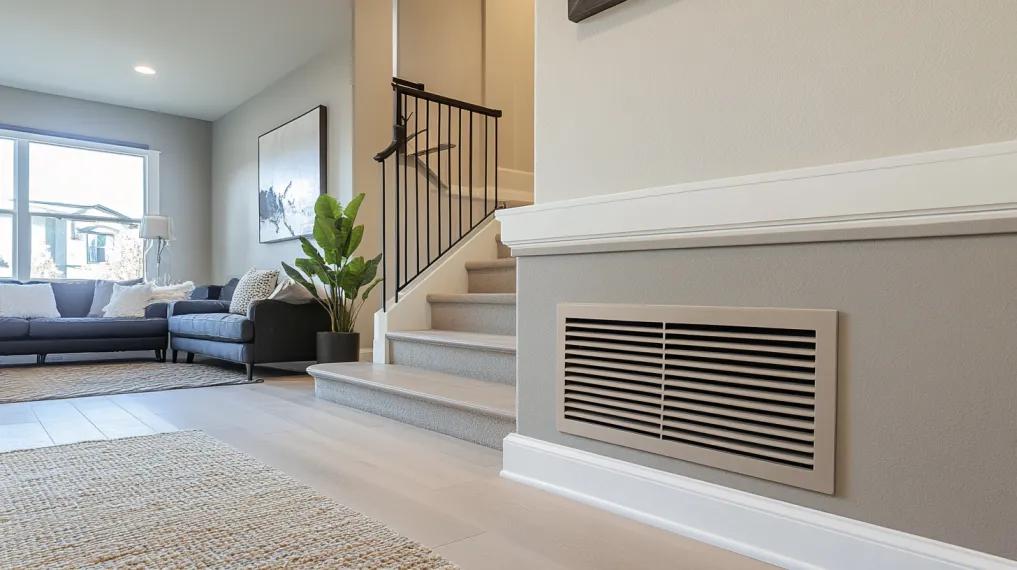
Key Features of Fire-Safe Ventilation Design
A robust system for fire scenarios incorporates several important features:
- Automatic Activation: Systems that detect smoke or heat and activate fans or dampers without manual intervention.
- Compartmentalization: Dividing buildings into zones to prevent smoke from spreading unchecked.
- Pressurization: Maintaining positive pressure in stairwells and escape routes to keep smoke out.
- Dedicated Exhaust Paths: Ensuring there are clear routes for smoke and hot gases to exit the building.
- Regular Maintenance: Keeping fans, filters, and dampers in working order to ensure reliability during emergencies.
For more on how insulation interacts with these systems, see how insulation affects ventilation.
Best Practices for Residential and Commercial Buildings
Whether you are upgrading an older property or planning new construction, the following guidelines can help maximize the effectiveness of your airflow management:
- Assess Current Airflow: Conduct a professional evaluation or a blower door test explained to identify leaks, blockages, or areas needing improvement.
- Install Smoke Control Devices: Use smoke vents, exhaust fans, and fire dampers where appropriate.
- Maintain Clear Escape Routes: Ensure that stairwells and corridors have dedicated pressurization or exhaust systems.
- Integrate with Fire Detection: Link ventilation controls to fire alarms and sensors for automatic response.
- Regular Inspections: Schedule routine checks and cleaning of all components, including filters and fans.
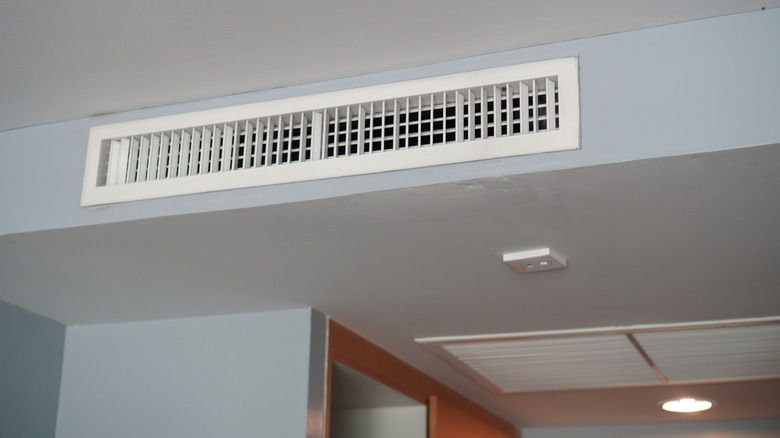
Integrating Airflow Solutions During Renovation or Construction
The most effective way to ensure optimal airflow for fire scenarios is to integrate solutions during the design and construction phases. Early planning allows for the placement of ducts, vents, and fans in locations that maximize smoke extraction and heat removal while minimizing the risk of spreading fire.
If you’re planning a remodel, consider reading about ventilation during home renovation to understand how upgrades can be seamlessly incorporated into your project.
Balancing Air Sealing and Fire-Safe Ventilation
Modern energy-efficient buildings often focus on airtight construction to reduce energy loss. However, excessive air sealing can inadvertently trap smoke and toxic gases during a fire. It’s crucial to find the right balance between energy efficiency and safety.
For more on this topic, see air sealing and ventilation balance.
Choosing and Maintaining Equipment for Fire-Resistant Airflow
Selecting the right hardware is essential for reliable performance during emergencies. Look for products rated for high temperatures and designed specifically for smoke extraction or fire scenarios. Regularly inspect and maintain all components, including:
- Exhaust fans and blowers
- Smoke and fire dampers
- Air filtration kits
- Control panels and sensors
For a comprehensive overview of available systems, see this guide to types of house ventilation systems.
Frequently Asked Questions
How does ventilation help during a fire?
Proper airflow management helps remove smoke and heat from affected areas, improving visibility and reducing toxic exposure for occupants and first responders. It also helps slow the spread of fire by controlling oxygen flow and maintaining safe escape routes.
What is the difference between natural and mechanical ventilation in fire safety?
Natural airflow relies on openings like windows and vents, while mechanical systems use powered fans and ductwork. Mechanical setups can be designed to activate automatically during a fire, providing more controlled and effective smoke extraction.
How often should fire-safe ventilation systems be inspected?
It’s recommended to inspect and maintain all components at least annually, or more frequently in high-risk environments. Regular checks ensure that fans, dampers, and controls function properly when needed most.
Can energy-efficient homes still be safe in a fire?
Yes, but it’s important to balance airtight construction with adequate airflow solutions. Incorporating dedicated smoke control systems and ensuring regular maintenance can help maintain both energy efficiency and fire safety.


