
Maintaining a healthy indoor environment requires more than just temperature control. Effective air circulation is crucial for reducing moisture, controlling indoor pollutants, and ensuring comfort throughout the year. With a variety of solutions available, understanding the types of home ventilation systems can help homeowners make informed decisions about improving air quality and energy efficiency.
Whether you’re building a new house or upgrading an existing one, the right ventilation approach can address issues like condensation, mold growth, and stale air. Each system has its own strengths, costs, and best-use scenarios. This guide breaks down the main categories, their benefits, and what to consider before choosing a solution for your living space.
For a deeper dive into why fresh air exchange matters, see our article on the importance of home ventilation.
Why Proper Ventilation Matters in Homes
Modern buildings are designed to be airtight for energy efficiency, but this can trap humidity, odors, and pollutants indoors. Without adequate airflow, problems like condensation, mold, and poor indoor air quality can arise. A well-designed ventilation system helps remove excess moisture and contaminants, bringing in fresh air and maintaining a comfortable, healthy environment.
Good air movement also supports the performance of heating and cooling systems, reduces allergens, and can even help preserve the structural integrity of your home by preventing moisture buildup.
Natural Ventilation: The Simplest Approach
The most basic form of air exchange relies on openings such as windows, doors, and vents. Natural ventilation uses wind and temperature differences to move air through a building. This method is cost-effective and requires no mechanical equipment, but it depends heavily on weather conditions and building design.
- Advantages: No energy costs, simple to implement, and provides immediate fresh air.
- Limitations: Inconsistent airflow, limited control over indoor climate, and may not be effective in all climates or during extreme weather.
For those interested in maximizing passive airflow, reviewing a passive building design checklist can be helpful.
Exhaust-Only Ventilation Systems
One of the most common types of home ventilation systems is the exhaust-only setup. These systems use fans—often installed in bathrooms, kitchens, or laundry rooms—to expel stale, humid, or polluted air directly outside. As air is exhausted, fresh air enters through passive vents or leaks in the building envelope.
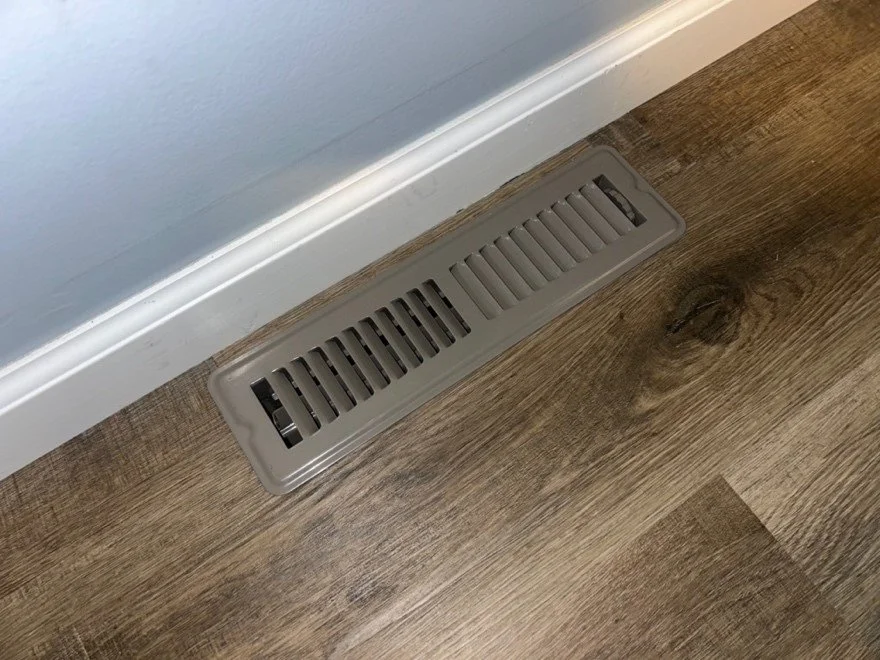
Key benefits: Simple installation and low upfront cost. Ideal for removing moisture and odors from specific rooms.
Drawbacks: May create negative pressure, drawing in unfiltered air through cracks and gaps. Not ideal for tightly sealed homes unless paired with dedicated air inlets.
Supply-Only Ventilation Systems
Supply-only systems use fans to bring fresh outdoor air into the home, usually through ducts connected to living areas or bedrooms. The incoming air pushes out stale air through leaks or passive vents. These setups can include filters to reduce dust and allergens.
- Advantages: Improved control over air quality, can be combined with filtration, and helps pressurize the home to reduce infiltration of pollutants.
- Limitations: May increase humidity if outdoor air is moist, and does not directly remove pollutants from bathrooms or kitchens.
Balanced Ventilation Systems: Even Air Exchange
Balanced systems use two fans: one to exhaust indoor air and another to supply fresh air. Ductwork distributes air evenly throughout the house, ensuring consistent airflow. This approach is effective for modern, airtight buildings and provides better control over where air enters and exits.
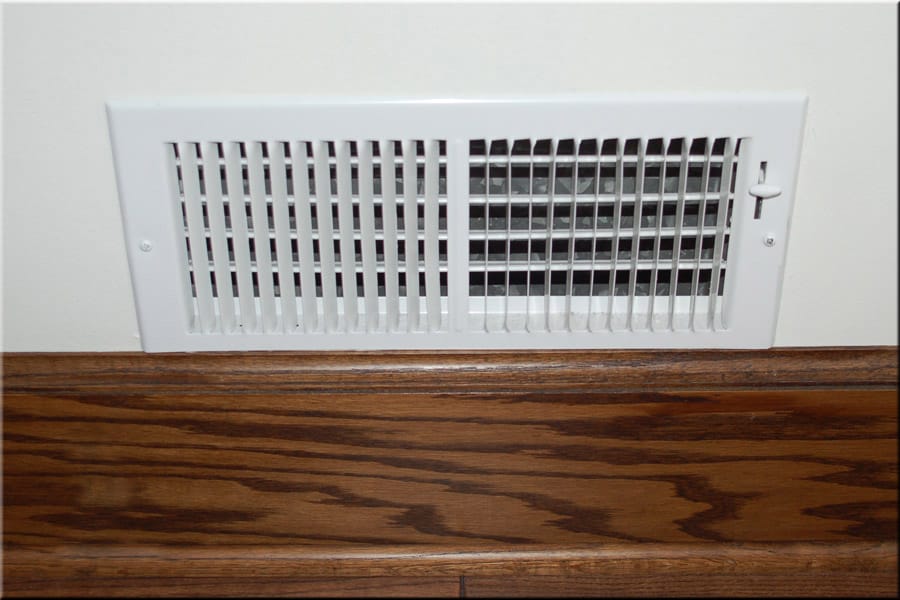
Benefits: Consistent air quality throughout the home, effective for all climates, and suitable for energy-efficient buildings.
Considerations: Higher installation and operating costs due to ductwork and dual fans. Regular maintenance of filters and fans is required.
Heat Recovery and Energy Recovery Ventilators (HRVs & ERVs)
Advanced balanced systems often include heat recovery ventilators (HRVs) or energy recovery ventilators (ERVs). These units transfer heat (and sometimes moisture) between outgoing and incoming air streams, reducing energy loss and maintaining comfortable humidity levels.
- HRVs: Best for colder climates, as they recover heat from outgoing air to warm incoming fresh air.
- ERVs: Suitable for humid or mixed climates, as they also transfer moisture to help balance indoor humidity.
These systems are ideal for tightly sealed homes where energy efficiency and air quality are both priorities.
Whole-House Fans and Attic Ventilation
Whole-house fans pull cool outdoor air through open windows and exhaust hot air into the attic, which is then vented outside. This approach is especially effective for cooling homes quickly during evenings or mild weather. Attic ventilation, on the other hand, helps remove heat buildup and moisture from the attic space, protecting roof structures and improving comfort.
Advantages: Rapid cooling, energy savings compared to air conditioning, and improved attic health.
Limitations: Not suitable for all climates or for use during high outdoor humidity or poor air quality days.
Choosing the Right Ventilation Solution
Selecting the best system depends on your home’s age, airtightness, climate, and specific needs. Older homes may benefit from simple exhaust fans or natural ventilation, while modern, energy-efficient buildings often require balanced or recovery-based solutions. Consider factors like installation cost, maintenance, energy use, and the ability to filter or condition incoming air.
For more details on how these systems work, see this comprehensive explanation of home ventilation operation.
If you’re interested in how airtightness impacts air movement, our resource on airtight construction vs breathable walls provides valuable insights.
Maintenance Tips for Ventilation Systems
Regular upkeep ensures your system operates efficiently and maintains healthy air quality. Here are some general maintenance practices:
- Clean or replace filters every 3–6 months, or as recommended by the manufacturer.
- Inspect fans, ducts, and vents for dust buildup and obstructions.
- Check for signs of mold or moisture around exhaust points.
- Ensure attic and crawlspace vents remain clear year-round.
- Schedule professional servicing for complex systems like HRVs and ERVs annually.
Frequently Asked Questions
What is the difference between exhaust-only and balanced ventilation?
Exhaust-only systems remove air from specific rooms, relying on passive inlets for replacement air. Balanced systems use both supply and exhaust fans to provide even airflow throughout the home, offering better control and efficiency.
Are heat recovery ventilators worth the investment?
HRVs and ERVs are especially valuable in airtight, energy-efficient homes. They reduce heating and cooling costs by transferring heat (and sometimes moisture) between outgoing and incoming air, while maintaining excellent indoor air quality.
How do I know which ventilation system is best for my home?
Consider your home’s construction, climate, and specific needs. Consult with a professional to assess factors like airtightness, existing ductwork, and local weather patterns. Reviewing airtight detailing examples can also help inform your decision.
Can I combine different ventilation methods?
Yes, many homes use a combination of natural, exhaust, and supply systems to address different needs in various rooms. For example, exhaust fans in bathrooms can be paired with a balanced system for overall air quality.
Conclusion
Understanding the main types of home ventilation systems helps you make informed choices about improving indoor air quality, comfort, and energy efficiency. From simple natural airflow to advanced heat recovery units, each approach has unique advantages. Assess your home’s requirements, consider climate and building design, and don’t hesitate to seek professional guidance for optimal results.