

Improving indoor air quality and energy efficiency is a growing priority for homeowners and property managers. Many older buildings were constructed with little regard for modern ventilation standards, leading to issues such as moisture buildup, stale air, and even health concerns. Retrofit ventilation solutions offer a practical way to upgrade existing spaces, ensuring better airflow, comfort, and compliance with current codes—without the need for major structural changes.
Whether you’re dealing with a drafty attic, a stuffy basement, or simply want to enhance your home’s overall air exchange, understanding the available options and best practices is essential. This article explores the key aspects of upgrading ventilation in existing buildings, from assessing current systems to choosing the right equipment and installation methods.

Before diving into specific strategies, it’s helpful to understand how ventilation interacts with other aspects of home performance. For instance, air sealing and insulation can significantly affect airflow patterns. If you’re planning a renovation or have recently upgraded insulation, reviewing the impact of insulation on ventilation can help you make informed decisions about your next steps.
Why Upgrade Existing Ventilation?
Many older homes and commercial spaces rely on passive air movement or outdated fans, which may not provide adequate fresh air or moisture control. Over time, this can lead to:
- Condensation and mold growth in attics, basements, and bathrooms
- Unpleasant odors and lingering indoor pollutants
- Increased allergy and asthma symptoms among occupants
- Higher energy bills due to inefficient air exchange
- Difficulty meeting modern building codes or green certification standards
By implementing modern retrofit ventilation solutions, you can address these issues and create a healthier, more comfortable living environment.
Assessing Your Current System
The first step in any upgrade is to evaluate your existing ventilation setup. This includes identifying the types of fans, vents, and ducts already in place, as well as checking for blockages, leaks, or signs of wear. A professional assessment, such as a blower door test, can reveal hidden air leaks and help you target improvements more effectively.
Key questions to consider:
- Are there rooms that feel stuffy or have persistent moisture problems?
- Do exhaust fans in kitchens and bathrooms vent to the outdoors, or simply recirculate air?
- Is there visible mold, mildew, or condensation on windows and walls?
- How old are the existing fans and ductwork?
- Has the home been air-sealed or insulated recently?
Popular Retrofit Ventilation Upgrades
There are several effective ways to enhance airflow and air quality in existing buildings. The best approach depends on your building’s layout, budget, and specific needs.
Whole-House Fans and Attic Ventilation
Whole-house fans draw cool outdoor air through open windows and exhaust hot, stale air through the attic. This is especially useful in climates with cool evenings and hot days. Attic ventilation upgrades, such as adding ridge or soffit vents, can further reduce heat buildup and moisture.

Exhaust Fans for Kitchens and Bathrooms
Upgrading to modern, energy-efficient exhaust fans is one of the most straightforward retrofit ventilation solutions. Look for models with humidity sensors, quiet operation, and direct venting to the outdoors. Properly installed fans help prevent mold and odors, especially in high-moisture areas.
Air Filtration and Purification
In addition to moving air, it’s important to filter out dust, allergens, and pollutants. Standalone air filtration kits or integrated systems can be added to existing ductwork. These upgrades are particularly valuable in urban environments or homes with pets and allergy sufferers.
Trickle Vents and Passive Air Inlets
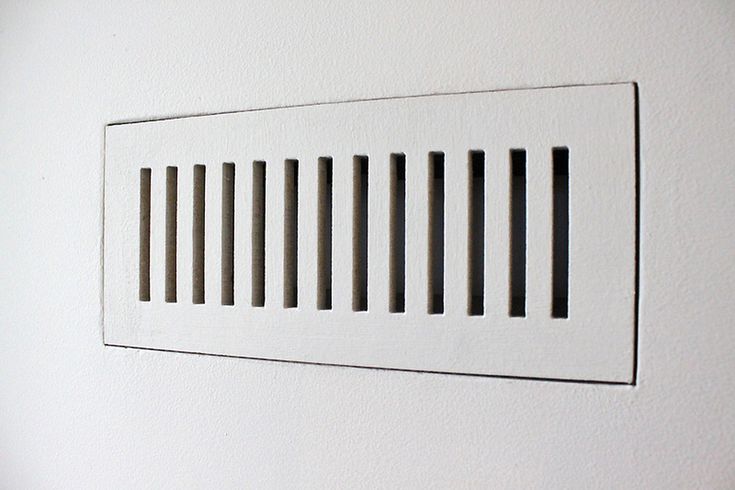
For buildings where mechanical ventilation isn’t feasible, passive options like trickle vents can help maintain a baseline of fresh air. These small, adjustable openings are installed in window frames or walls and allow controlled airflow without major drafts.
Heat Recovery and Energy Recovery Ventilators (HRVs/ERVs)
Advanced systems like HRVs and ERVs exchange stale indoor air for fresh outdoor air while capturing heat (and, in the case of ERVs, moisture) from outgoing air. These units are ideal for tightly sealed homes and can be retrofitted with minimal disruption. They’re especially valuable in climates with extreme temperatures, as they help maintain comfort and efficiency.
Installation Tips and Best Practices
When planning upgrades, consider the following guidelines to ensure optimal performance and longevity:
- Choose the right size and capacity for your space—oversized fans can waste energy, while undersized units may not provide adequate ventilation.
- Ensure all exhaust fans and vents discharge to the outdoors, not into attics or crawlspaces.
- Seal duct joints with appropriate materials to prevent leaks and backdrafts.
- Follow manufacturer instructions for installation height, clearances, and electrical safety.
- Regularly clean and maintain fans, filters, and vents to keep systems running efficiently.
If you’re unsure about the best approach for your property, consulting a ventilation specialist or contractor can help you avoid common pitfalls and maximize your investment.
How Ventilation Upgrades Affect Energy and Comfort
Upgrading airflow systems can have a significant impact on both comfort and utility costs. Improved air exchange helps regulate indoor temperatures, reduces humidity, and can even extend the life of building materials by preventing moisture damage. For those interested in balancing airtightness with healthy airflow, resources like balancing air sealing and ventilation provide valuable insights.
In addition, modern ventilation upgrades often qualify for energy efficiency incentives or rebates, further offsetting installation costs.
Types of Ventilation Systems for Retrofits
There are several categories of systems suitable for existing buildings. For a detailed overview of the main types, see this comprehensive guide to house ventilation systems.
- Exhaust-only systems: Use fans to remove indoor air, relying on passive inlets for replacement air.
- Supply-only systems: Bring in outdoor air using fans, with indoor air escaping through leaks or vents.
- Balanced systems: Combine supply and exhaust fans for controlled air exchange.
- Heat/Energy recovery systems: Use HRVs or ERVs to exchange air while minimizing energy loss.
The right choice depends on your climate, building age, and specific concerns such as allergies, humidity, or energy use.
Planning for Future Renovations
If you’re considering major updates or additions, it’s wise to integrate airflow upgrades into your project planning. Early consideration of ventilation during framing or remodeling can help you avoid costly retrofits later and ensure your home meets modern standards from the start.
Even if you’re not planning a full renovation, periodic reviews of your home’s airflow and air quality can help you identify opportunities for incremental improvements.
Frequently Asked Questions
What are the signs that my home needs a ventilation upgrade?
Common indicators include persistent condensation on windows, musty odors, visible mold, or rooms that feel stuffy. High humidity, allergy symptoms, and increased dust can also signal inadequate airflow.
Can I install new ventilation equipment myself, or should I hire a professional?
Some upgrades, like replacing a bathroom fan or adding a window vent, can be DIY-friendly for those with basic skills. However, more complex projects—such as installing ductwork, HRVs, or electrical wiring—are best handled by licensed professionals to ensure safety and compliance.
How do retrofit ventilation solutions impact my energy bills?
Properly designed systems can lower energy costs by reducing the need for heating and cooling, especially when combined with insulation and air sealing. Advanced options like HRVs and ERVs recover energy from outgoing air, further improving efficiency.
Where can I learn more about ventilation during home renovations?
For additional guidance on integrating airflow improvements into remodeling projects, see ventilation during home renovation.


