

Building a passive house is not just about energy efficiency and sustainability. It’s also about resilience. The concept of resilience in passive house design is gaining traction as homeowners seek to create homes that can withstand extreme weather conditions, power outages, and other challenges. This guide will delve into the importance of resilience in passive house design and how it can be achieved.

To better understand the concept, one can refer to passive design guidelines for builders.
Understanding the Importance of Resilience
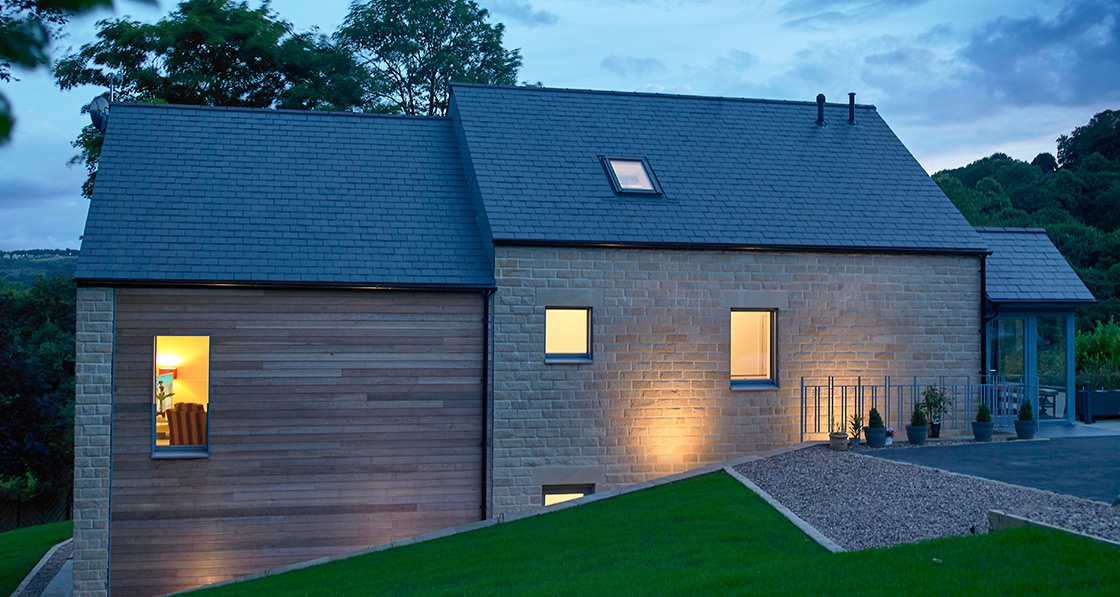
Resilience in the context of passive house design refers to the ability of the house to maintain comfortable and safe living conditions in the face of external disruptions. This includes extreme weather events, power outages, or even fluctuations in energy prices. A resilient passive house is designed to be self-sustaining, with minimal reliance on external energy sources.
Key Elements of a Resilient Passive House
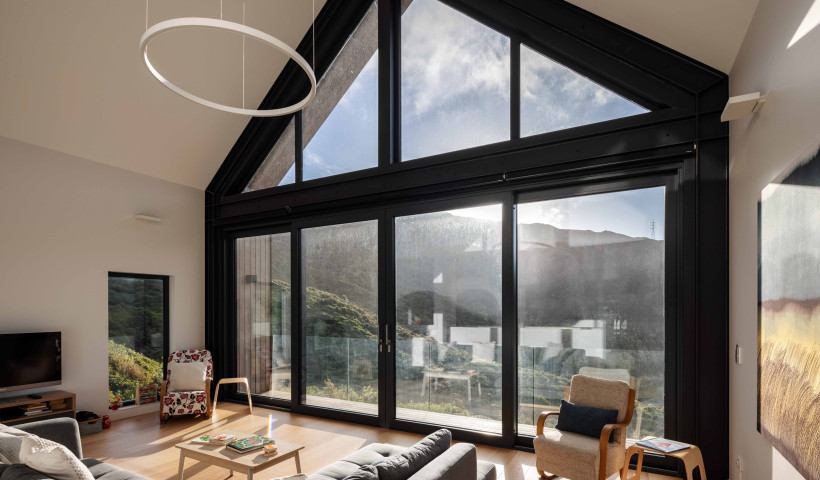
Several elements contribute to the resilience of a passive house. These include high-quality insulation, airtight construction, and advanced window technology. These features help to maintain a stable indoor temperature, regardless of external conditions. Additionally, passive houses often incorporate renewable energy sources, such as solar panels, to provide reliable power during outages.
For more detailed information about passive houses and their resilient features, you can visit this informative resource.
Building Resilience into Your Passive House
Building resilience into a passive house requires careful planning and design. It involves considering the local climate and potential challenges, selecting appropriate materials and technologies, and ensuring high-quality construction. This process can be complex, but the benefits in terms of comfort, energy savings, and resilience make it well worth the effort.
In conclusion, resilience is a critical aspect of passive house design. By incorporating resilience into the design process, homeowners can create homes that are not only energy-efficient and sustainable, but also capable of withstanding a range of challenges. To ensure your passive house is resilient, consider investing in reliable power during outages and tools to monitor power usage trends.


